
Latest Articles
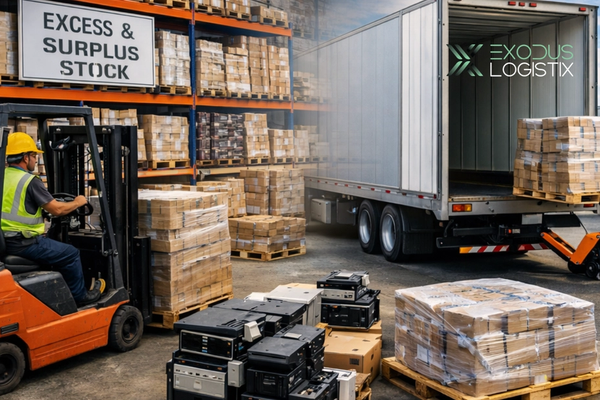
Asset Recovery & Liquidation Freight: Preventing Warehouse Congestion and Unlocking Capacity
Asset recovery and liquidation freight help remove excess inventory, prevent warehouse congestion, and maintain efficient supply chain flow.
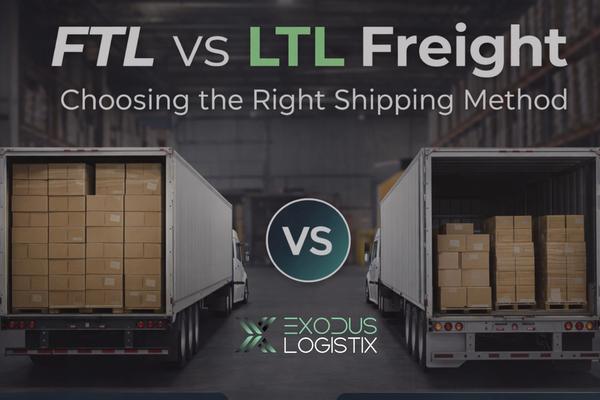
FTL-vs-LTL -freight
FTL vs LTL freight helps businesses choose the right shipping method based on cost, speed, and handling to improve supply chain efficiency.
Reverse Logistics in Retail: Managing Returns for More Efficient Supply Chains
Reverse logistics in retail helps manage returns, improve inventory flow, and reduce disruptions across supply chains through structured transportation.
Freight Consolidation: Reducing Costs Through Smarter Load Planning
Freight consolidation helps reduce transportation costs, improve load efficiency, and streamline shipment planning across supply chains.
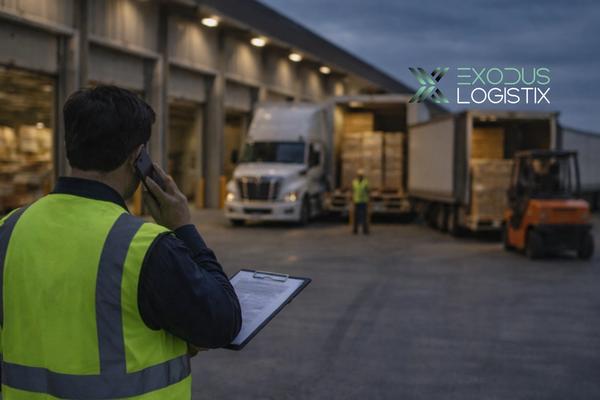
Smooth Execution in Logistics: Why Alignment Before Dispatch Matters
Smooth execution starts before dispatch. Aligning pickup windows, carrier timing, and delivery coordination reduces disruptions across supply chains.
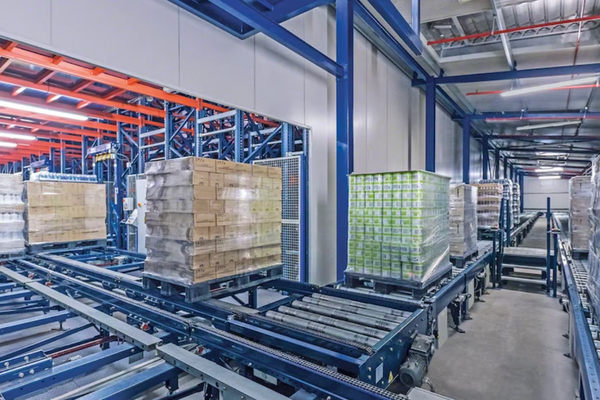
Reverse Logistics in Retail: Turning Returns into Supply Chain Efficiency
Reverse logistics helps retailers manage returns, rebalance inventory, and keep products moving efficiently across retail supply chains.
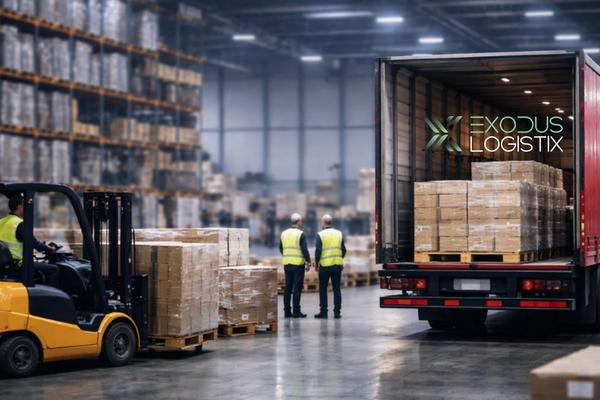
Asset Recovery & Liquidation Freight: Managing Excess Inventory in Supply Chains
Understanding the difference between FTL and LTL freight helps logistics teams choose the right shipping method, improving delivery reliability, cost control, and freight efficiency.
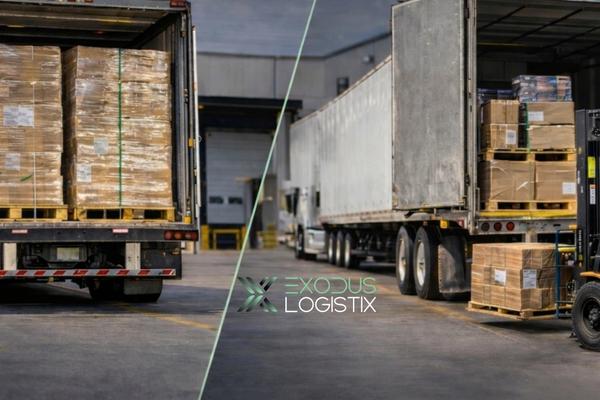
FTL vs LTL Freight: Understanding the Key Differences in Truckload Shipping
Understanding the difference between FTL and LTL freight helps logistics teams choose the right shipping method, improving delivery reliability, cost control, and freight efficiency.
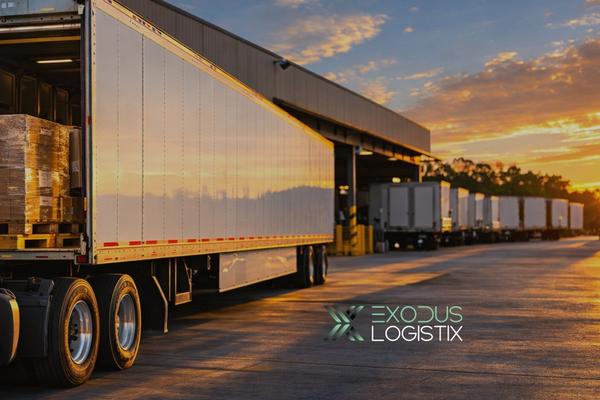
The Drop Trailer Programs: Improving Dock Efficiency and Freight Execution
Drop trailer programs help high-volume shippers reduce dock delays, eliminate live-load bottlenecks, and create more consistent freight execution.
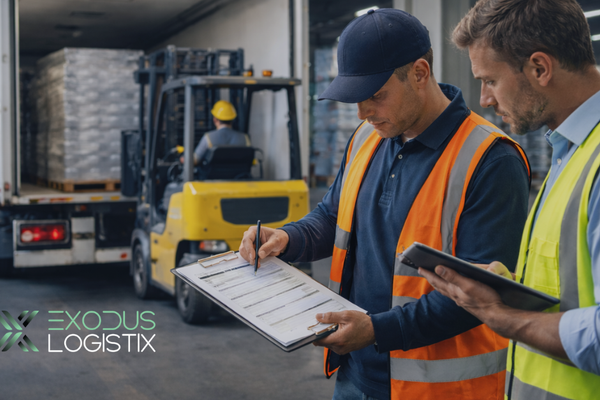
Why Missing Information Delays Shipments
Incomplete shipment information can delay freight before it even moves. Learn how missing details disrupt dispatch planning and transportation execution.