
FTL vs LTL Freight: Understanding the Key Differences in Truckload Shipping
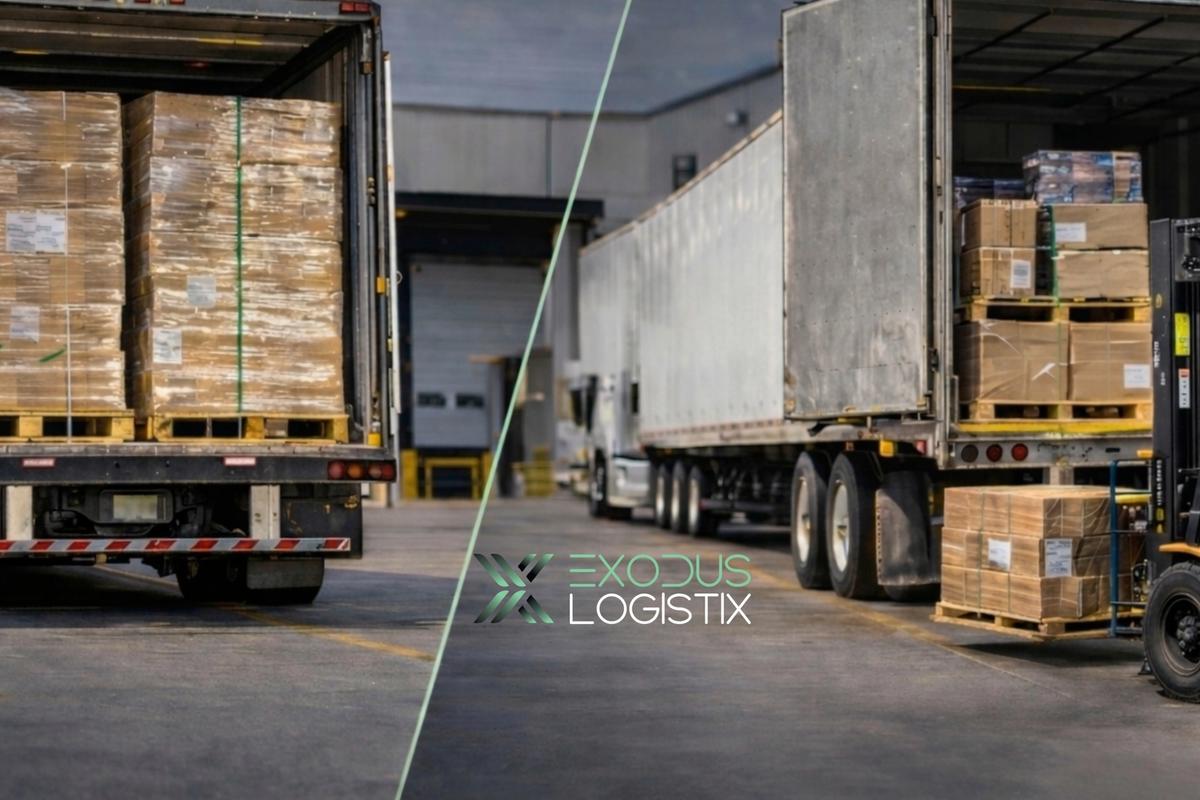
In freight transportation, one of the most common decisions logistics teams face is whether to move shipments using full truckload (FTL) or less-than-truckload (LTL) freight.
Both transportation methods move goods across the same highway networks, but they operate very differently in terms of shipment size, transit time, freight handling, and pricing structure.
Understanding the differences between FTL vs LTL freight helps supply chain leaders choose the most efficient shipping method for each load.
When transportation strategies are structured correctly, selecting the right freight mode can improve delivery predictability, reduce shipping costs, and strengthen overall supply chain performance.
What Is Full Truckload (FTL) Freight?
Full truckload (FTL) freight refers to shipments that occupy most or all of a trailer’s available space. In this shipping method, the trailer is typically dedicated to a single shipper’s cargo and moves directly from the pickup location to the delivery destination.
Because the trailer carries freight for only one customer, FTL shipments usually involve minimal stops and limited freight handling.
FTL transportation is commonly used when:
- shipments fill most of a trailer
- freight is time-sensitive
- cargo requires minimal handling
- products are high-value or fragile
- direct transportation routes are preferred
Since the truck generally travels directly to its destination, FTL shipping often provides faster transit times and more predictable delivery performance.
What Is Less-Than-Truckload (LTL) Freight?
Less-than-truckload (LTL) freight is used when a shipment does not require an entire trailer. Instead, multiple shipments from different companies share the same truck, with each shipper paying only for the space their freight occupies.
LTL shipping operates through a hub-and-terminal network, where freight is consolidated and redistributed across multiple routes.
LTL transportation is typically used for:
- smaller shipments
- lower pallet counts
- regional distribution shipments
- recurring shipments that do not fill a full trailer
Because freight moves through multiple terminals and consolidation points, LTL shipments often involve additional handling and longer transit times compared to FTL freight. However, the shared trailer model allows businesses to ship smaller loads more cost-efficiently.
FTL vs LTL Freight: Key Differences
Although both methods move freight by truck, the operational structure of each shipping mode is very different.
Feature
FTL Freight
LTL Freight
Shipment Size
Full or nearly full trailer
Smaller shipments sharing trailer space
Transit Time
Direct routing with fewer stops
Multiple stops and terminal transfers
Freight Handling
Minimal handling
Multiple handling points
Pricing Structure
Typically priced per truck or per mile
Based on weight, class, and space used
Delivery Consistency
Higher predictability
Can vary due to consolidation networks
These operational differences make each transportation method suitable for different shipping needs.
When FTL Shipping Is the Best Choice
FTL shipping is typically preferred when shipments require speed, security, or high freight volume.
Companies often choose FTL when:
- shipments exceed 10–12 pallets
- delivery timelines are strict
- products are fragile or high value
- freight requires minimal handling
- long-distance transportation lanes are involved
Because the shipment stays on one trailer for the entire trip, FTL freight often reduces the risk of damage and improves overall transit reliability.
When LTL Shipping Makes More Sense
LTL freight is often the better option for businesses shipping smaller volumes of freight.
Companies frequently choose LTL when:
- shipments are smaller than a full truckload
- shipping volume is consistent but lower
- transportation costs must remain flexible
- freight can tolerate additional handling
LTL transportation allows companies to move goods without paying for unused trailer space, making it an efficient option for smaller shipments.
Why Many Supply Chains Use Both FTL and LTL
In practice, most logistics networks rely on both FTL and LTL freight depending on shipment size, urgency, and distribution structure.
For example:
- manufacturers may ship large outbound orders using FTL
- distribution centers may replenish smaller locations using LTL
- multiple smaller shipments may sometimes be consolidated into a single truckload
Using both transportation methods allows companies to balance cost efficiency with operational reliability.
Structured Freight Planning Improves Transportation Performance
Choosing between FTL vs LTL freight is not simply a pricing decision. It is a strategic element of transportation planning.
When freight programs are structured around shipment size, delivery timelines, and lane consistency, logistics teams can:
- improve delivery predictability
- reduce freight handling exposure
- optimize transportation capacity
- control shipping costs more effectively
Carefully selecting the right shipping method helps supply chains maintain stable and efficient freight operations.
The Bottom Line
Both FTL and LTL freight play critical roles in modern supply chains.
FTL shipping provides faster transit times, direct routing, and reduced freight handling for larger shipments. LTL transportation offers a cost-efficient solution for smaller shipments by allowing multiple companies to share trailer space.
Understanding when to use each shipping method helps logistics teams move freight more efficiently while maintaining reliable delivery performance.
At Exodus Logistix, transportation programs are structured around shipment size, operational requirements, and lane consistency to ensure the most effective freight strategy for every shipment.
Learn more about our transportation services and structured freight programs:👉 https://exoduslogistix.com/services/
Tags

About the Author
exodus logistix
Exodus Logistix provides freight and logistics solutions built on disciplined planning, clear coordination, and operational accountability. With experience supporting complex shipments across multiple industries, the team focuses on reducing disruption, improving reliability, and helping businesses move freight with confidence.