
Latest Articles
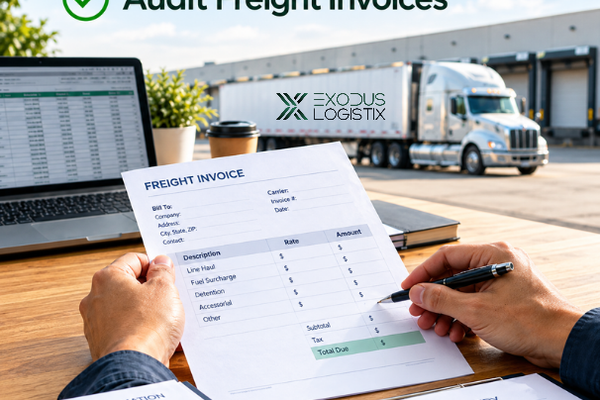
How Should Shippers Audit Freight Invoices Before Approving Payment?
Learn how to audit freight invoices against agreed rates, shipment records, and accessorial charges to identify discrepancies and strengthen payment controls.
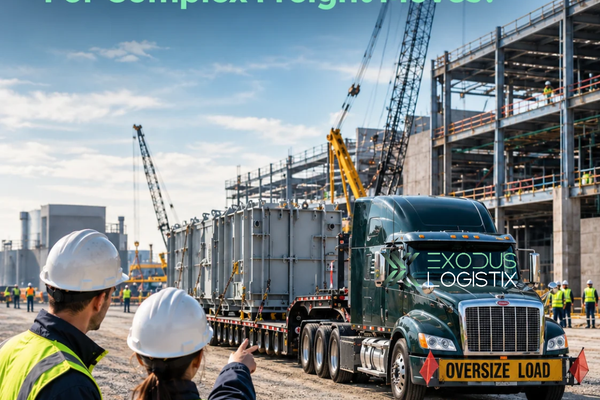
What Is Project Logistics And Why Does It Matter For Complex Freight Moves?
Project logistics helps coordinate freight deliveries that support construction, industrial, infrastructure, and facility projects where timing, sequencing, and execution matter.
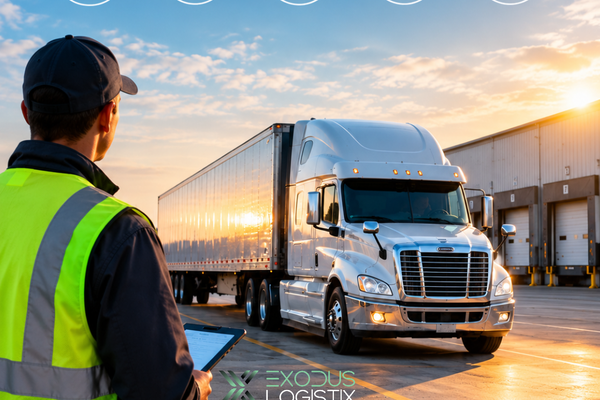
What Does a Freight Broker Do After the Truck Is Booked?
Booking the truck is only the beginning. Learn what a freight broker does after pickup, from shipment visibility to communication and exception management.
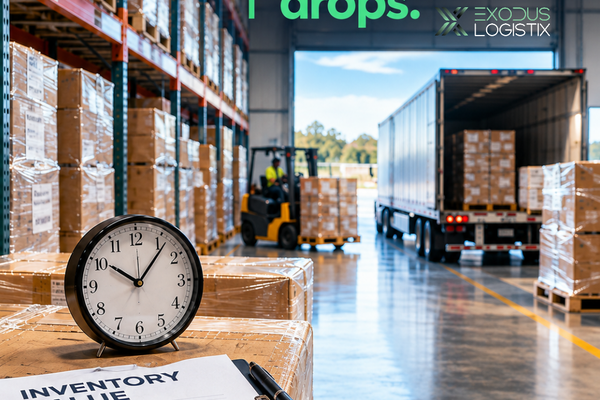
How Fast Does Excess Inventory Lose Value While Sitting In A Warehouse?
Excess inventory loses value long before it becomes obsolete. Learn how timing, transportation, and recovery planning affect inventory value and liquidation outcomes.
What Happens When Freight Depends On A Single Transportation Mode?
Transportation flexibility helps businesses reduce risk, improve capacity access, and build more resilient supply chains when market conditions change.
What Happens When Transportation Becomes A Bottleneck Instead Of A Competitive Advantage?
Transportation should support growth, not slow it down. Learn how transportation bottlenecks affect inventory, customer service, and operational performance across the supply chain.

How Do Businesses Know When Freight Has Outgrown LTL Shipping?
Learn the signs that freight may have outgrown traditional LTL shipping and when Shared Truckload can provide a more efficient transportation solution.
How Do Businesses Reduce Transportation Costs Without Sacrificing Service?
Learn how businesses lower transportation costs through planning, visibility, freight optimization, and network efficiency while maintaining reliable service performance.
Why Do Shipping Delays Keep Happening Even When Freight Is Scheduled Correctly?
Many shipping delays happen even when freight is scheduled correctly. Learn how facility congestion, communication gaps, equipment availability, and visibility impact transportation performance.
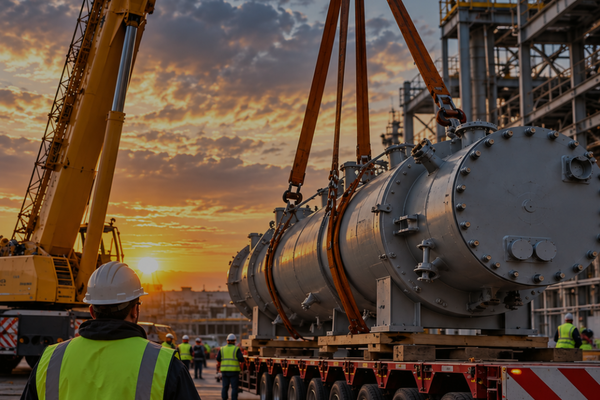
What Happens When Project Logistics Goes Wrong?
Project logistics failures rarely happen because of transportation alone. Discover how planning, visibility, communication, and coordination help prevent costly project delays.