
What Happens When Freight Depends On A Single Transportation Mode?
Quick Answer
Many transportation programs are built around a single mode of transportation.
The freight moves by truck.
The process works.
The transportation strategy stays unchanged.
The challenge is that supply chains rarely operate in a static environment.
Capacity shifts.
Fuel costs fluctuate.
Weather disrupts networks.
Market conditions change.
When freight depends entirely on one transportation mode, businesses often become more vulnerable to disruptions that are outside their control.
The most resilient transportation programs are not built around one solution.
They are built around flexibility.
Transportation Risk Often Hides Inside Familiar Processes
Most businesses do not intentionally create transportation risk.
It develops gradually.
A transportation strategy works for years.
The same lanes continue moving.
The same mode continues performing.
Over time, the transportation model becomes the default approach.
The problem appears when market conditions change.
What once felt stable can quickly become restrictive.
When freight relies exclusively on a single transportation option, businesses may have fewer alternatives available when disruptions occur.
Capacity Challenges Can Affect More Than Transportation
Transportation capacity influences much more than freight movement.
It can affect:
- Production schedules
- Inventory availability
- Customer commitments
- Warehouse operations
- Labor planning
- Overall supply chain performance
When capacity tightens within a single transportation mode, businesses that lack alternative options often experience greater operational pressure.
Flexibility becomes increasingly valuable when transportation markets become unpredictable.
Why Transportation Diversification Matters
Businesses routinely diversify suppliers.
They diversify inventory strategies.
They diversify customer relationships.
Transportation often deserves the same consideration.
This does not mean every shipment should move using multiple transportation modes.
It means businesses should understand which options are available when conditions change.
Potential transportation strategies may include:
- Full Truckload (FTL)
- Shared Truckload (STL)
- LTL Shipping
- Intermodal Transportation
- Dedicated Capacity Solutions
- Specialized Freight Programs
Different freight movements often benefit from different transportation approaches.
Intermodal Creates Another Option For Long-Haul Freight
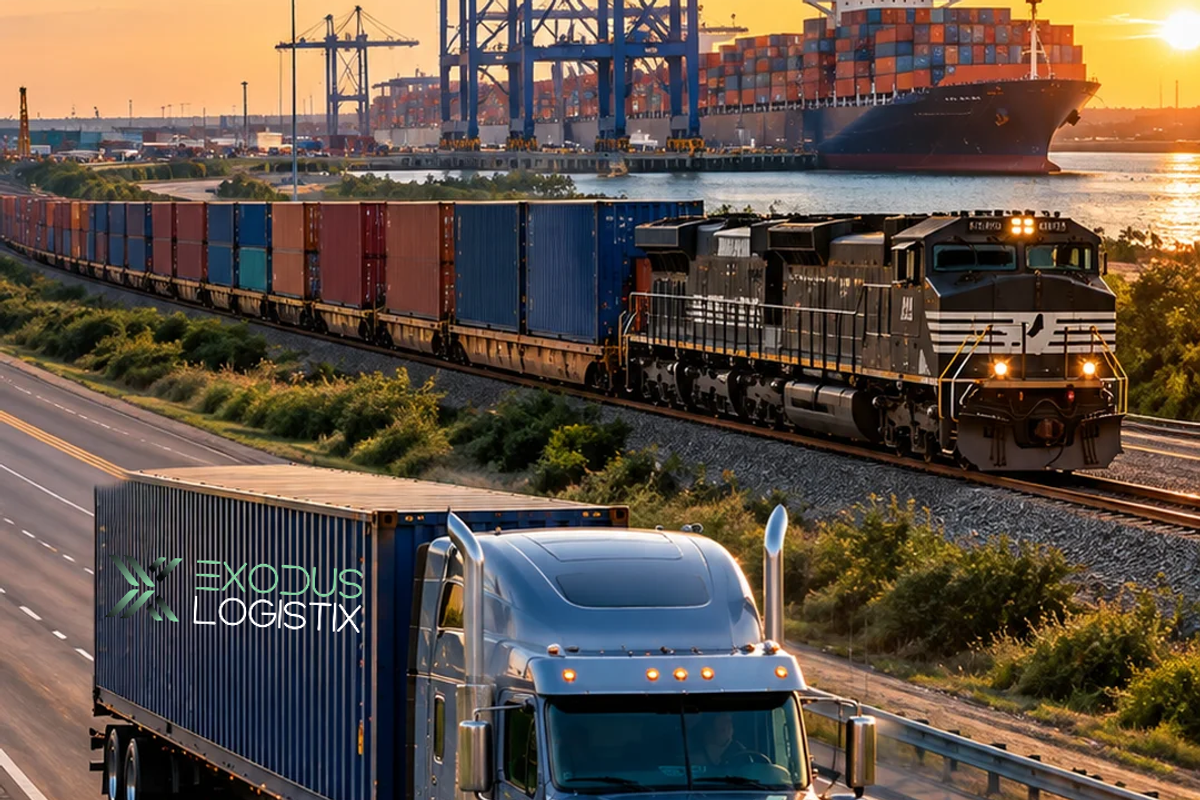
Intermodal transportation combines truck and rail service within the same freight movement. Freight remains inside the same container while rail handles the long-distance portion and trucks manage pickup and final delivery.
For many long-haul lanes, intermodal introduces another transportation option that can help businesses balance:
- Capacity access
- Transportation efficiency
- Long-term planning
- Network flexibility
The value is not simply cost.
The value is having additional options available when transportation conditions change.
ETI Observation: Resilient Supply Chains Rarely Depend On One Answer
One of the most common transportation planning mistakes is assuming the current solution will always be available under the same conditions.
Transportation networks perform best when businesses regularly evaluate:
- Lane performance
- Capacity exposure
- Freight volume
- Transit expectations
- Customer requirements
- Available transportation options
The goal is not replacing one transportation mode with another.
The goal is reducing dependency on any single solution.
Because resilience is often created before disruptions occur—not after.
Visibility Helps Businesses Make Better Transportation Decisions
Transportation flexibility only works when businesses understand how freight is performing.
Visibility helps answer questions such as:
- Are certain lanes experiencing recurring disruptions?
- Are transportation costs becoming unstable?
- Are delivery commitments becoming harder to maintain?
- Is capacity becoming more difficult to secure?
- Would another transportation strategy improve performance?
Without visibility, businesses often react to transportation issues after they occur.
With visibility, businesses gain opportunities to plan ahead.
Planning Creates More Transportation Options
Transportation flexibility is difficult to build at the last minute.
Businesses that evaluate transportation alternatives early often have more options available when market conditions change.
That planning may involve:
- Reviewing long-haul freight lanes
- Evaluating recurring shipping patterns
- Identifying capacity-sensitive shipments
- Assessing transportation costs
- Exploring intermodal opportunities
The earlier transportation planning begins, the easier it becomes to adapt when conditions shift.
Why Businesses Work With Exodus Logistix
At Exodus Logistix, transportation planning begins with understanding the freight, the lane, and the operational objective.
We help businesses evaluate:
- Intermodal Transportation
- Full Truckload (FTL)
- Shared Truckload (STL)
- LTL Shipping
- Refrigerated Transportation
- Specialized Freight Solutions
- Reverse Logistics Programs
Our objective is simple:
Build transportation strategies that improve flexibility, strengthen execution, and support long-term supply chain performance.
Frequently Asked Questions
Why is relying on a single transportation mode risky?
Transportation markets change constantly. Capacity shortages, disruptions, and changing costs can create challenges when businesses depend entirely on one transportation solution.
What is transportation diversification?
Transportation diversification involves evaluating multiple transportation options to improve flexibility and reduce operational risk.
How does intermodal transportation help?
Intermodal combines truck and rail transportation, providing another option for qualifying long-haul freight movements.
Should intermodal replace truckload?
Not necessarily. The strongest transportation programs often use multiple transportation modes depending on the lane, shipment requirements, and operational priorities.
Final Thoughts
Transportation resilience is not built by finding a single perfect transportation mode.
It is built by creating options.
As supply chains become more complex, businesses that evaluate multiple transportation strategies often gain greater flexibility, stronger capacity access, and better long-term performance.
At Exodus Logistix, we believe transportation planning should focus on what the freight needs today while preparing for what the market may look like tomorrow.
Need Help Evaluating Intermodal Transportation?
Exodus Logistix helps businesses identify where intermodal transportation fits within a broader transportation strategy.
Learn more:
https://exoduslogistix.com/services/intermodal-transportation
Tags

About the Author
exodus logistix
Exodus Logistix provides freight and logistics solutions built on disciplined planning, clear coordination, and operational accountability. With experience supporting complex shipments across multiple industries, the team focuses on reducing disruption, improving reliability, and helping businesses move freight with confidence.