
What Happens When Transportation Becomes A Bottleneck Instead Of A Competitive Advantage?
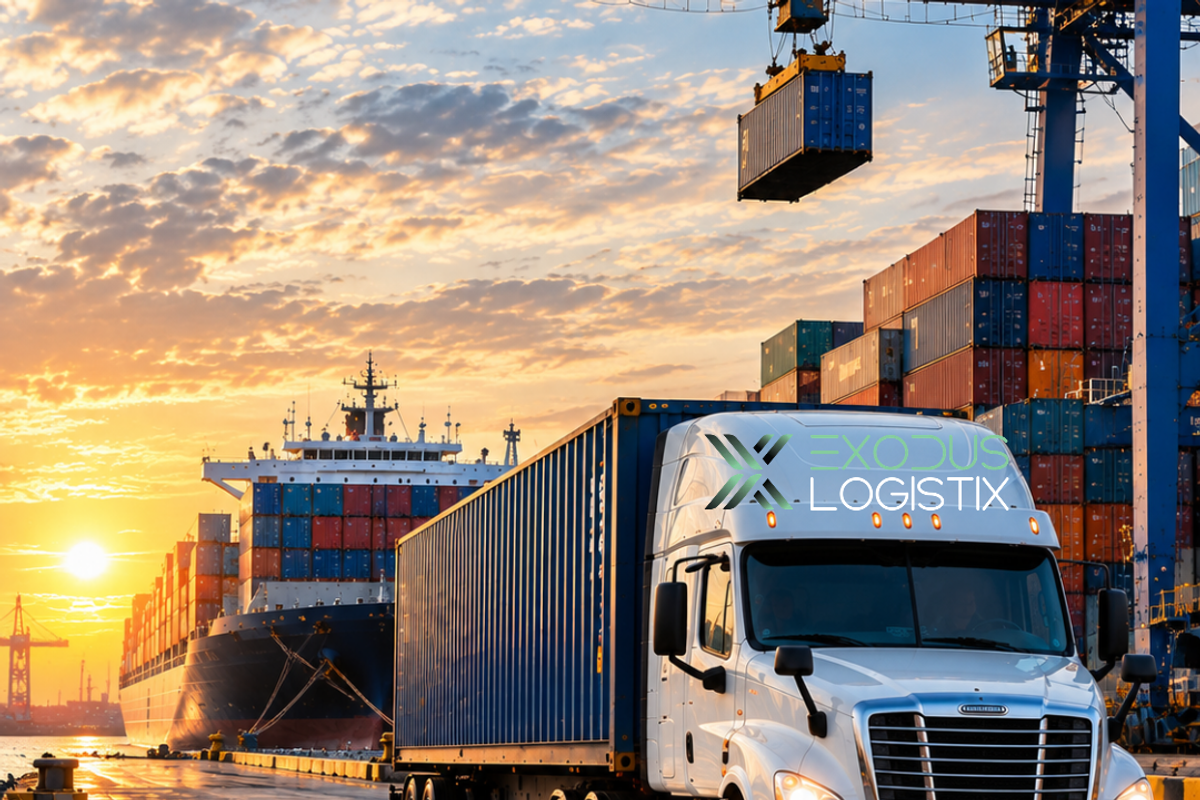
What Happens When Transportation Becomes A Bottleneck Instead Of A Competitive Advantage?
Quick Answer
Transportation should help products move efficiently through the supply chain.
But when visibility is limited, planning is inconsistent, communication breaks down, or capacity becomes difficult to secure, transportation can quickly become an operational bottleneck.
The impact often extends far beyond freight movement.
Transportation bottlenecks can affect production schedules, inventory levels, customer relationships, labor utilization, and overall business performance.
Businesses that treat transportation as a strategic function rather than a transactional service are often better positioned to reduce disruptions and maintain operational momentum.
Transportation Impacts More Than Freight
Many businesses view transportation as the final step in the process.
In reality, transportation influences nearly every stage of the supply chain.
When freight moves efficiently:
- Inventory flows predictably
- Production schedules remain stable
- Customer commitments are easier to meet
- Facilities operate more efficiently
- Resources are better utilized
When transportation struggles, the effects often spread throughout the organization.
The truck may be the visible issue.
The operational impact is usually much larger.
The First Warning Sign Is Often Schedule Instability
Transportation bottlenecks frequently appear as scheduling challenges.
Examples include:
- Late pickups
- Delayed deliveries
- Inconsistent transit times
- Capacity shortages
- Last-minute transportation changes
As transportation becomes less predictable, planning becomes more difficult.
Teams often spend more time reacting to disruptions than executing long-term strategies.
Inventory Problems Often Follow Transportation Problems
Transportation and inventory are closely connected.
When transportation becomes unreliable, businesses frequently compensate by carrying additional inventory.
This may help reduce risk temporarily.
However, it can also create:
- Higher carrying costs
- Increased warehouse utilization
- Slower inventory turns
- Reduced operational flexibility
Transportation inefficiencies often create inventory challenges that were never intended to exist.
Customer Expectations Continue To Rise
Customers expect visibility.
They expect communication.
They expect reliability.
When transportation becomes a bottleneck, customer service teams often spend more time answering questions such as:
- Where is my shipment?
- Has the delivery date changed?
- Why is the shipment delayed?
- When will freight arrive?
Transportation performance directly influences customer experience.
For many businesses, transportation reliability has become part of the customer value proposition.
Visibility Changes How Businesses Respond
One of the biggest differences between high-performing transportation programs and struggling ones is visibility.
Visibility helps answer critical operational questions:
- Is freight moving according to plan?
- Are delays developing?
- Is capacity secured?
- Does the customer require updates?
- Are corrective actions necessary?
Without visibility, teams often discover problems after schedules have already been affected.
With visibility, businesses gain opportunities to respond proactively.
Capacity Challenges Can Create Ripple Effects
Transportation capacity affects more than shipment availability.
It influences:
- Production planning
- Purchasing decisions
- Inventory management
- Customer commitments
- Growth opportunities
When capacity becomes difficult to secure, transportation can transition from a support function to a constraint on business performance.
Organizations that plan transportation earlier often have more options available when market conditions change.
Communication Is Often The Difference
Transportation involves coordination between multiple stakeholders.
Including:
- Shippers
- Carriers
- Warehouses
- Distribution centers
- Suppliers
- Customers
Strong communication helps support:
- Faster issue resolution
- Better schedule coordination
- Improved shipment visibility
- Reduced uncertainty
- More reliable execution
Many transportation disruptions become significantly easier to manage when communication occurs early and consistently.
ETI Observation: Transportation Problems Rarely Stay In Transportation
Transportation bottlenecks are rarely isolated.
What begins as a freight issue often becomes:
- A production issue
- An inventory issue
- A customer service issue
- A scheduling issue
- A profitability issue
That's why transportation should not be viewed simply as moving freight from Point A to Point B.
It should be viewed as an operational function that influences the entire supply chain.
The businesses that understand this often gain a significant competitive advantage.
Why Businesses Work With Exodus Logistix
At Exodus Logistix, transportation solutions are built around visibility, planning, communication, and execution.
We support:
- Full Truckload (FTL)
- Shared Truckload (STL)
- LTL Shipping
- Refrigerated Transportation
- Intermodal Transportation
- Reverse Logistics
- Project Logistics
- Specialized Freight Solutions
Our objective is simple:
Help businesses transform transportation from a bottleneck into a competitive advantage.
Frequently Asked Questions
What is a transportation bottleneck?
A transportation bottleneck occurs when freight movement slows, becomes inconsistent, or creates operational constraints that affect broader business performance.
How do transportation bottlenecks affect businesses?
They can impact inventory levels, production schedules, customer service, labor utilization, and overall supply chain efficiency.
Can visibility reduce transportation disruptions?
Yes. Visibility helps identify potential issues earlier, allowing teams to respond before delays create larger operational challenges.
Why is transportation considered a competitive advantage?
Reliable transportation improves customer experience, operational efficiency, inventory management, and overall business performance.
Final Thoughts
Transportation should support growth—not limit it.
When transportation becomes unpredictable, the effects often extend throughout the organization.
The most successful businesses recognize that transportation is not simply a freight function.
It is a supply chain function.
At Exodus Logistix, we believe transportation works best when visibility, planning, communication, and execution operate together—because that's when transportation stops being a bottleneck and starts becoming a competitive advantage.
Need Transportation Support?
Exodus Logistix provides nationwide transportation and logistics solutions designed to improve visibility, execution, and operational performance.
Tags

About the Author
exodus logistix
Exodus Logistix provides freight and logistics solutions built on disciplined planning, clear coordination, and operational accountability. With experience supporting complex shipments across multiple industries, the team focuses on reducing disruption, improving reliability, and helping businesses move freight with confidence.