
Why Do Shipping Delays Keep Happening Even When Freight Is Scheduled Correctly?
Why Do Shipping Delays Keep Happening Even When Freight Is Scheduled Correctly?
Quick Answer
Many shipping delays don't happen because transportation wasn't scheduled.
They happen because critical factors surrounding the shipment weren't aligned.
A shipment can be booked on time and still experience delays due to facility congestion, incomplete shipment information, equipment availability, communication breakdowns, weather disruptions, or coordination issues between stakeholders.
The most reliable transportation programs focus on execution before, during, and after pickup—not simply scheduling a truck.
Why Scheduled Freight Doesn't Always Move As Planned
Many businesses assume that once freight is scheduled, the transportation process is largely complete.
In reality, scheduling is only the beginning.
Successful freight movement depends on multiple operational elements working together, including:
- Freight readiness
- Facility scheduling
- Equipment availability
- Carrier coordination
- Shipment visibility
- Communication between stakeholders
- Delivery planning
When any one of these areas falls out of alignment, delays can occur even when transportation was booked correctly.
Facility Congestion Creates Unexpected Delays
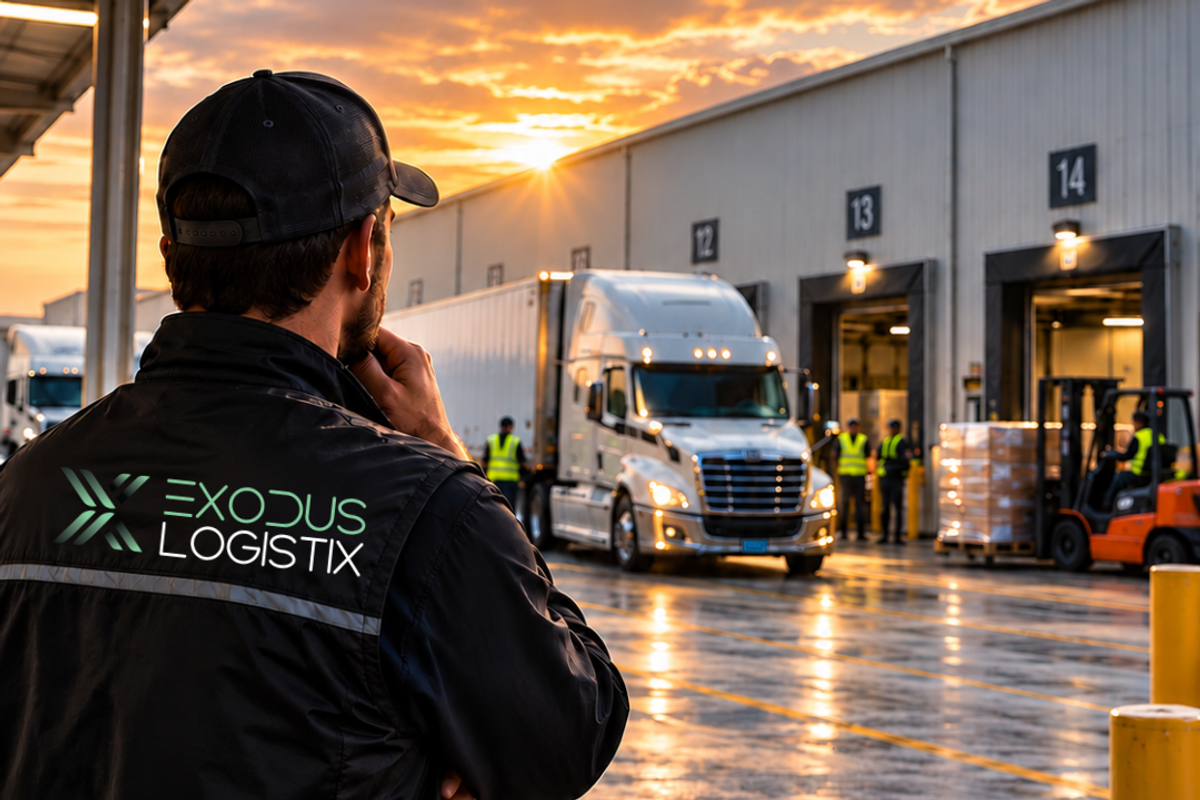
One of the most common causes of shipping delays occurs at pickup and delivery locations.
Challenges may include:
- Long wait times
- Limited dock availability
- Labor shortages
- Loading delays
- Appointment backlogs
- Yard congestion
When facilities become overloaded, transportation schedules often become difficult to maintain.
A truck arriving on time doesn't always mean freight leaves on time.
Incomplete Shipment Information Creates Risk
Transportation providers rely on accurate information to execute successfully.
Missing or inaccurate details can create delays before freight even moves.
Examples include:
- Incorrect dimensions
- Weight discrepancies
- Missing delivery requirements
- Incorrect addresses
- Special handling requirements
- Appointment scheduling errors
Small information gaps can create larger operational challenges once freight enters the transportation network.
Equipment Availability Matters More Than Many Realize
The right equipment must be available at the right time.
Depending on the shipment, requirements may include:
- Dry vans
- Refrigerated trailers
- Flatbeds
- Step decks
- Heavy haul equipment
- Specialized trailers
Even when transportation is scheduled, equipment constraints can affect execution if planning doesn't begin early enough.
Communication Often Determines Transportation Performance
Freight transportation involves coordination between multiple parties, including:
- Shippers
- Carriers
- Warehouses
- Distribution centers
- Suppliers
- Customers
When communication breaks down, transportation performance often suffers.
Strong communication helps support:
- Faster issue resolution
- Better schedule coordination
- Improved shipment visibility
- Reduced uncertainty
- More reliable execution
In many cases, communication helps prevent delays before they happen.
Visibility Helps Teams Respond Faster
Transportation visibility provides more than shipment tracking.
It helps businesses answer critical questions such as:
- Has freight been picked up?
- Is delivery still on schedule?
- Are delays developing?
- Does the customer need updates?
- Are corrective actions required?
Visibility allows teams to respond proactively instead of reacting after disruptions occur.
The earlier a problem is identified, the easier it often becomes to manage.
Weather And External Factors Still Matter
Not every transportation delay can be prevented.
External factors may include:
- Severe weather
- Road closures
- Traffic incidents
- Construction activity
- Port congestion
- Regulatory restrictions
While these events cannot always be avoided, proactive planning and communication can help reduce their impact.
Why Businesses Work With Exodus Logistix
At Exodus Logistix, transportation performance is built around planning, visibility, communication, and execution.
We support:
- Full Truckload (FTL)
- LTL Shipping
- Partial Truckload
- Shared Truckload
- Refrigerated Transportation
- Dry Van Transportation
- Intermodal Transportation
- Oversized Freight
- Reverse Logistics
- Project Logistics
- Drop Trailer Programs
Our objective is simple:
Help businesses build transportation programs that improve reliability and reduce unnecessary disruptions throughout the supply chain.
Frequently Asked Questions
Why do shipping delays happen even when freight is scheduled?
Common causes include facility congestion, communication issues, equipment constraints, weather events, shipment information errors, and operational coordination challenges.
Can visibility help reduce transportation delays?
Yes. Visibility helps businesses identify potential issues earlier and respond before delays create larger operational problems.
What is the biggest cause of freight delays?
There is rarely a single cause. Most delays result from a combination of planning, communication, scheduling, and execution challenges.
How can businesses improve transportation reliability?
Better planning, shipment visibility, communication, facility coordination, and proactive transportation management all help improve reliability.
Final Thoughts
Scheduling freight is important.
But reliable transportation requires much more than booking a truck.
The strongest transportation programs focus on planning, communication, visibility, and operational execution across every stage of the shipment.
At Exodus Logistix, we believe transportation reliability starts long before freight begins moving—and continues until the shipment is successfully delivered.
Need More Reliable Transportation Support?
Exodus Logistix provides nationwide transportation and logistics solutions built around visibility, execution, and operational performance.
Learn more: https://exoduslogistix.com/
Tags

About the Author
exodus logistix
Exodus Logistix provides freight and logistics solutions built on disciplined planning, clear coordination, and operational accountability. With experience supporting complex shipments across multiple industries, the team focuses on reducing disruption, improving reliability, and helping businesses move freight with confidence.