
What Happens When Project Logistics Goes Wrong?
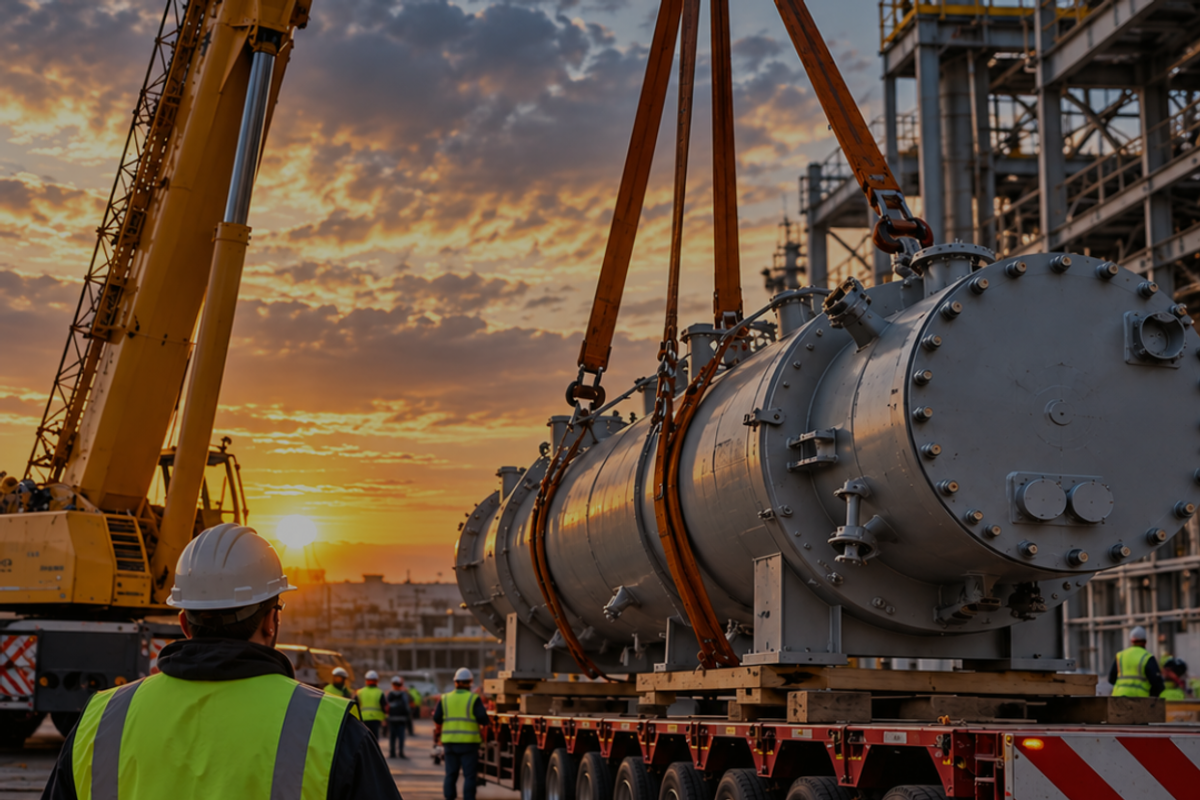
What Happens When Project Logistics Goes Wrong?
Quick Answer
Project logistics problems rarely start when freight is already in transit.
More often, delays happen when planning, scheduling, transportation, permitting, site readiness, equipment coordination, and communication aren't aligned from the beginning.
Whether supporting a construction project, industrial expansion, energy development, or large equipment installation, successful project logistics requires detailed coordination long before the first shipment moves. Companies that integrate logistics into overall project planning are often better positioned to avoid costly delays and keep critical timelines on track.
Why Project Logistics Requires More Than Transportation
Traditional freight transportation focuses on moving cargo from one location to another.
Project logistics involves coordinating transportation as part of a larger operational objective.
Many projects operate under strict schedules, fixed milestones, and multiple dependencies that leave little room for disruption.
Common project logistics applications include:
- Industrial facility expansions
- Manufacturing equipment installations
- Data center construction
- Energy and utility infrastructure projects
- Modular building deployments
- Heavy equipment relocations
- Large-scale construction programs
In these environments, transportation is only one component of a much larger execution strategy.
Small Delays Can Create Major Project Impacts
When critical freight fails to arrive as planned, the consequences often extend far beyond transportation.
Potential impacts include:
- Construction schedule disruptions
- Labor downtime
- Extended equipment rental costs
- Installation delays
- Missed project milestones
- Budget overruns
- Delayed commissioning activities
A single transportation issue can affect multiple contractors, crews, and project phases simultaneously.
That's why project logistics focuses on maintaining schedule integrity—not simply moving freight.
Successful Projects Start With Early Planning
Many project logistics challenges can be identified long before delivery day.
Effective planning often includes:
- Freight dimensions and weight analysis
- Route planning and feasibility reviews
- Permit coordination
- Escort requirements
- Equipment selection
- Delivery sequencing
- Site access evaluations
- Staging area planning
- Schedule alignment
The earlier logistics is incorporated into project planning, the more opportunities exist to address potential risks before they become costly delays.
Visibility Helps Teams Make Better Decisions
Project teams often require more than standard shipment tracking.
They need operational visibility that answers questions such as:
- Is freight moving according to schedule?
- Have permits been approved?
- Are weather conditions affecting transit?
- Is the site ready for delivery?
- Is specialized equipment arriving on time?
- Are project milestones still achievable?
Real-time visibility allows stakeholders to identify issues early and adjust plans before schedules are impacted.
Communication Often Determines Project Success
Project logistics typically involves coordination between multiple stakeholders, including:
- Project managers
- General contractors
- Transportation providers
- Site supervisors
- Equipment manufacturers
- Installation teams
- Utility contractors
- Property owners
When communication breaks down, delays, misunderstandings, and unexpected costs often follow.
Strong communication supports:
- Better schedule coordination
- Faster issue resolution
- Improved resource planning
- Greater delivery accuracy
- Reduced project risk
Many project disruptions can be minimized when information is shared consistently and proactively.
Complex Freight Requires Specialized Coordination
Many project shipments cannot move through standard transportation processes.
Examples include:
- Oversized freight
- Heavy haul equipment
- Industrial machinery
- Transformers and generators
- Electrical infrastructure
- Modular structures
- Construction components
- Mission-critical equipment
These shipments often require specialized trailers, permits, route surveys, escorts, staging plans, and site-specific delivery coordination.
Without proper preparation, even minor transportation issues can create significant project challenges.
Why Businesses Partner With Exodus Logistix
At Exodus Logistix, project logistics is built around planning, visibility, coordination, and execution.
We support:
- Project freight transportation
- Heavy haul coordination
- Oversized freight planning
- Construction logistics
- Industrial equipment transportation
- Modular building logistics
- Energy project transportation
- Mission-critical infrastructure logistics
- Site delivery scheduling
- Nationwide project transportation solutions
Our goal is simple:
Help businesses move complex freight safely, efficiently, and according to project schedules.
Frequently Asked Questions
What is project logistics?
Project logistics is the planning, coordination, and execution of transportation activities that support large-scale projects involving complex freight, specialized equipment, and time-sensitive schedules.
Why is project logistics important?
Project logistics helps align transportation with project objectives, improving coordination, reducing delays, and supporting more predictable project outcomes.
What types of freight require project logistics?
Examples include oversized freight, heavy equipment, industrial machinery, modular structures, energy infrastructure, construction materials, and mission-critical assets.
How can companies reduce project transportation delays?
Early planning, route analysis, permit coordination, shipment visibility, communication, and contingency planning all help improve project execution.
Final Thoughts
The most successful projects don't rely on transportation alone.
They rely on planning, coordination, communication, and execution working together from the start.
When logistics is treated as a strategic part of the project rather than a last-minute transportation task, teams gain greater control over schedules, costs, and outcomes.
At Exodus Logistix, we believe transportation should help projects move forward—not become the reason they fall behind.
Need Project Logistics Support?
Exodus Logistix provides nationwide project logistics solutions for construction, industrial, energy, infrastructure, and mission-critical transportation projects.
Learn more: https://exoduslogistix.com/services/project-logistics
Tags

About the Author
exodus logistix
Exodus Logistix provides freight and logistics solutions built on disciplined planning, clear coordination, and operational accountability. With experience supporting complex shipments across multiple industries, the team focuses on reducing disruption, improving reliability, and helping businesses move freight with confidence.