
Asset Recovery & Liquidation Freight: Managing Excess Inventory in Supply Chains
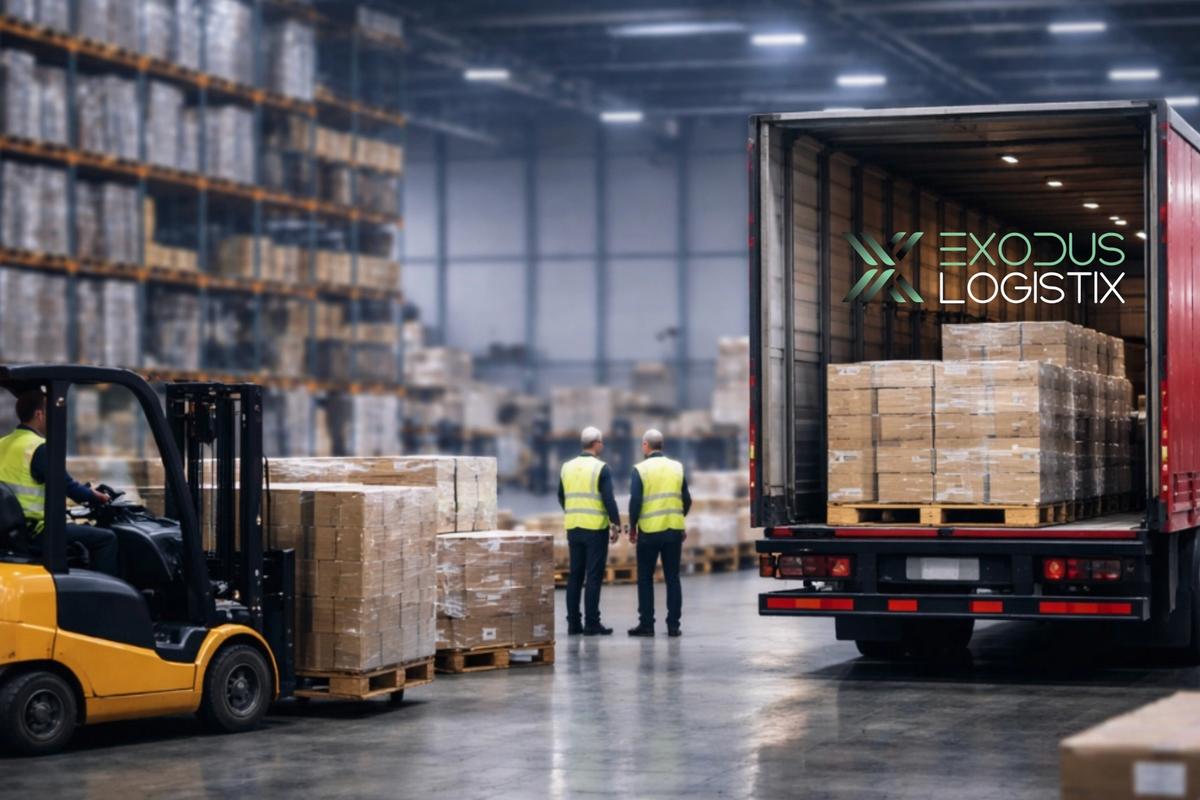
Supply chains are designed to move products forward.
But not every shipment reaches its intended destination in the same way.
Excess inventory, discontinued products, returns, and unsold goods create a secondary flow of freight that must be managed efficiently. Without a structured approach, these assets can sit idle in warehouses, tying up space and capital.
Asset recovery and liquidation freight programs help businesses move surplus inventory out of storage and back into circulation through secondary markets, redistribution channels, or liquidation networks.
What Is Asset Recovery and Liquidation Freight?
Asset recovery refers to the process of identifying, reclaiming, and redistributing products that are no longer part of primary inventory flow.
Liquidation freight focuses on transporting these goods to alternative destinations, such as:
- liquidation centers
- secondary marketplaces
- discount retailers
- recycling or disposal facilities
Instead of allowing inventory to remain stagnant, structured logistics programs ensure these products continue moving through the supply chain in a controlled and efficient manner.
Why Excess Inventory Creates Operational Challenges
Inventory that is not actively moving creates pressure across the supply chain.
Warehouses become congested. Storage costs increase. Inventory visibility becomes less accurate. And valuable space that could be used for high-demand products is occupied by slow-moving or obsolete goods.
Common causes of excess inventory include:
- seasonal demand fluctuations
- product lifecycle changes
- overproduction or over-ordering
- customer returns and cancellations
- discontinued or rebranded products
Without a strategy for asset recovery, these challenges can impact both operational efficiency and financial performance.
How Asset Recovery Logistics Works
Asset recovery and liquidation freight require coordination across multiple points in the supply chain.
The process typically includes:
Inventory Identification
Businesses first identify surplus, returned, or obsolete products across warehouses, stores, or distribution centers.
Consolidation and Routing
Products are consolidated and routed to the appropriate destination based on condition, value, and market demand.
Transportation Execution
Freight is scheduled and moved using optimized transportation strategies, ensuring cost efficiency and timely delivery.
Redistribution or Liquidation
Inventory is redistributed, sold through secondary channels, or processed for disposal depending on the business strategy.
A structured logistics approach ensures that each step is executed efficiently without disrupting ongoing operations.
Key Benefits of Asset Recovery & Liquidation Freight
When managed properly, asset recovery programs provide measurable advantages:
Reduced Storage Costs
Moving excess inventory out of warehouses frees up valuable space and reduces long-term storage expenses.
Improved Inventory Visibility
Clearing inactive stock improves accuracy across inventory systems and helps businesses make better planning decisions.
Faster Inventory Turnover
Products re-enter circulation through secondary channels instead of remaining idle.
Better Use of Distribution Networks
Transportation resources are used more effectively by aligning outbound and reverse freight movements.
Operational Efficiency
Supply chains remain organized, with fewer bottlenecks caused by excess or obsolete inventory.
Supporting Large-Scale Supply Chain Operations
For businesses operating across multiple facilities, managing excess inventory requires more than ad hoc transportation.
Asset recovery programs must be integrated into broader logistics strategies, ensuring that:
- inventory flows remain balanced
- distribution centers operate efficiently
- transportation schedules align with operational demands
Exodus Logistix supports asset recovery and liquidation freight by coordinating transportation across distribution networks, helping businesses move surplus inventory efficiently while maintaining overall supply chain performance.
Turning Excess Inventory into Opportunity
Excess inventory is often viewed as a cost.
But when managed strategically, it becomes an opportunity to recover value, optimize space, and improve operational flow.
Asset recovery and liquidation freight programs allow businesses to maintain control over inventory movement, even when products fall outside of primary sales channels.
When supply chains are structured to handle both forward and reverse freight, businesses gain flexibility, efficiency, and better control over their operations.
To learn more about how structured logistics programs support inventory movement and recovery, visit: 👉 https://exoduslogistix.com/services/
Tags

About the Author
exodus logistix
Exodus Logistix provides freight and logistics solutions built on disciplined planning, clear coordination, and operational accountability. With experience supporting complex shipments across multiple industries, the team focuses on reducing disruption, improving reliability, and helping businesses move freight with confidence.