
The Drop Trailer Programs: Improving Dock Efficiency and Freight Execution
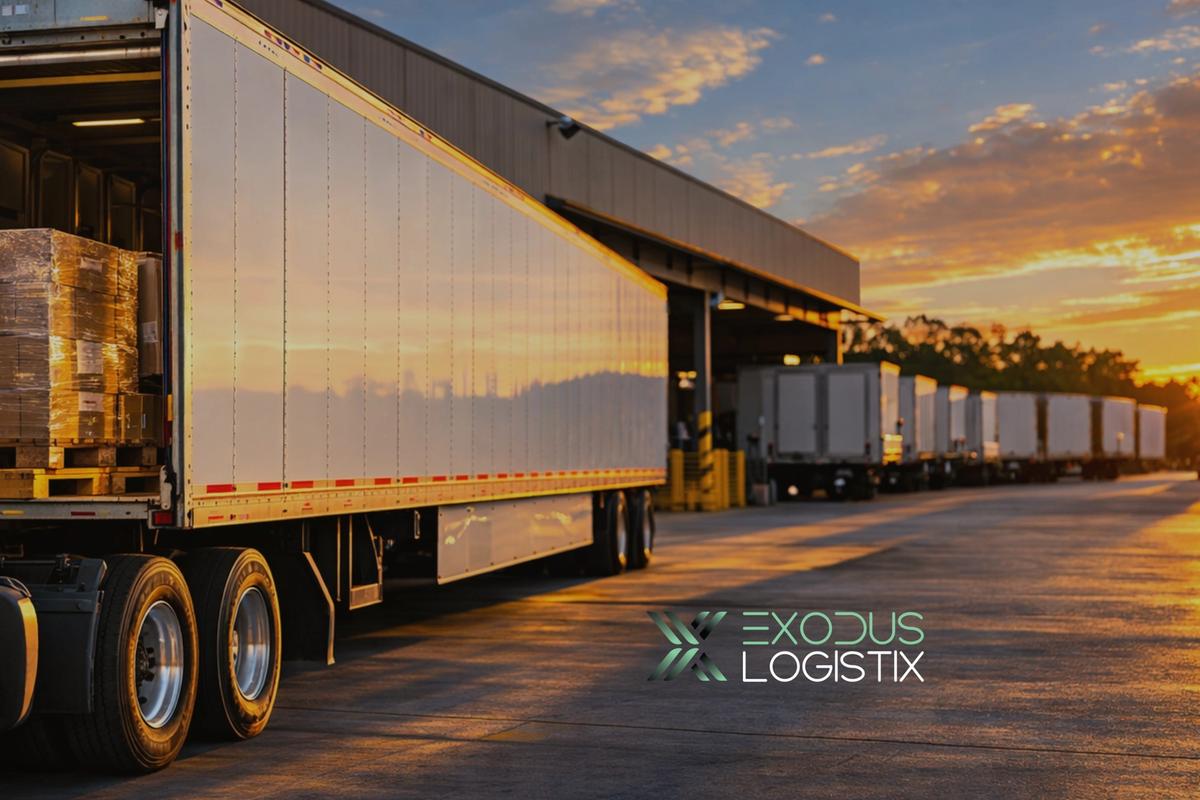
In many distribution centers and manufacturing facilities, the greatest inefficiencies in freight transportation occur at the loading dock.
Drivers arrive on time, but the trailer is not ready. Loading crews work around driver schedules instead of operational needs. Dock congestion builds, and detention charges begin to accumulate.
These delays may seem small in isolation, but across hundreds of shipments they create significant operational friction.
For high-volume shippers, drop trailer programs offer a structured solution that removes many of these bottlenecks and allows freight operations to run more consistently.
What Is a Drop Trailer Program?
A drop trailer program is a logistics arrangement where a carrier stages trailers at a shipper’s facility so loading can occur independently of driver arrival.
Instead of waiting at the dock for a trailer to be loaded, drivers follow a drop-and-hook process:
- A carrier drops an empty trailer at the shipper’s facility.
- The shipper loads the trailer on their own schedule.
- When the freight is ready, a driver returns to hook the loaded trailer.
- The cycle repeats with dedicated trailers staged to support the shipper’s volume.
This approach separates loading operations from driver schedules, creating a smoother freight flow through the facility.
Why Live Loading Slows Freight Operations
Traditional live loading requires drivers to remain at the dock while freight is loaded or unloaded. When facilities experience labor shortages, scheduling conflicts, or high shipment volume, drivers may wait for extended periods.
These delays lead to several operational challenges:
- Dock congestion during peak shipping periods
- Driver idle time and lost transportation capacity
- Detention fees that increase freight costs
- Missed outbound shipping windows
- Disruptions across downstream delivery schedules
Over time, these inefficiencies reduce both carrier productivity and warehouse throughput.
How Drop Trailer Programs Improve Supply Chain Efficiency
Drop trailer logistics programs are designed to remove the waiting conditions that live loading creates.
When trailers are staged at the facility ahead of time, operations become far more flexible.
Independent Loading Schedules
Warehouse teams can load trailers based on their own labor schedules and production timelines instead of reacting to driver arrival windows.
Faster Driver Turnaround
Drivers arrive, hook a preloaded trailer, and depart quickly. This eliminates long wait times at the dock.
Reduced Detention Exposure
Because drivers are not waiting for freight to be loaded, detention charges become far less common.
Improved Dock Utilization
Dock doors can be used more efficiently when trailers are staged and loaded outside of live loading constraints.
These operational improvements help distribution centers maintain a more predictable shipping rhythm.
When Drop Trailer Programs Make the Most Sense
Drop trailer programs are particularly effective for facilities with consistent freight volume and structured outbound lanes.
They are often used by:
- manufacturing facilities shipping finished goods daily
- retail distribution centers handling high outbound volume
- consumer packaged goods producers
- third-party logistics warehouses
- large distribution networks managing multiple shipping lanes
In these environments, predictable trailer availability allows facilities to maintain steady outbound flow without constant coordination between drivers and dock operations.
Operational Stability Through Structured Freight Programs
The primary advantage of drop trailer logistics is not simply speed — it is operational stability.
When trailer capacity is staged in advance and pickups follow structured schedules, transportation programs become more predictable.
Facilities gain:
- reliable trailer availability
- consistent outbound freight cadence
- fewer operational disruptions
- improved coordination between warehouse and transportation teams
These factors allow logistics leaders to plan distribution activities with greater confidence.
The Bottom Line
In high-volume shipping environments, small inefficiencies at the dock can quickly scale into major operational challenges.
Drop trailer programs provide a practical solution by separating driver schedules from loading operations, reducing wait times, and improving overall freight flow.
When implemented correctly, these programs help distribution centers operate closer to their true capacity while giving carriers the ability to keep trucks moving.
At Exodus Logistix, drop trailer programs are structured around facility flow, volume patterns, and lane consistency to support reliable freight execution.
Learn more about our drop trailer programs and how they support high-volume shipping operations: 👉 https://exoduslogistix.com/services/drop-trailer-programs
Tags

About the Author
exodus logistix
Exodus Logistix provides freight and logistics solutions built on disciplined planning, clear coordination, and operational accountability. With experience supporting complex shipments across multiple industries, the team focuses on reducing disruption, improving reliability, and helping businesses move freight with confidence.