
Freight Consolidation: Reducing Costs Through Smarter Load Planning
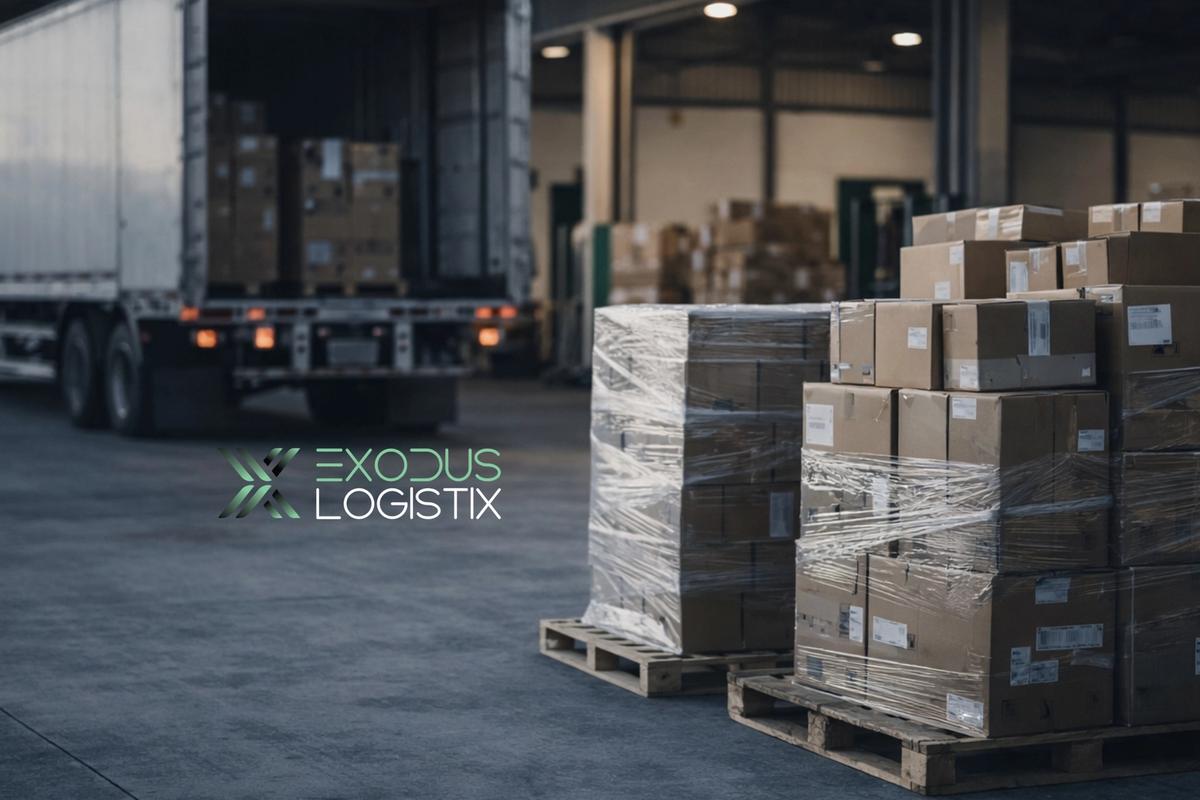
Freight consolidation is a key strategy used in modern supply chains to reduce transportation costs and improve load efficiency.
Supply chains are designed to move freight efficiently across distribution networks. But when shipments move without coordination, transportation costs increase and capacity is underutilized.
Partial loads, inconsistent shipment volumes, and fragmented routing often lead to higher costs and unnecessary complexity in freight operations.
Freight consolidation addresses these challenges by structuring how shipments are planned, combined, and moved across the supply chain.
What Is Freight Consolidation?
Freight consolidation refers to the process of combining multiple smaller shipments into a single, more efficient load.
Instead of moving freight individually, shipments are grouped based on:
- destination
- timing
- shipment size
- routing efficiency
This approach allows businesses to maximize trailer space, reduce the number of shipments, and improve overall transportation efficiency.
Freight consolidation is commonly used in less-than-truckload (LTL), partial truckload, and shared truckload operations.
Why Fragmented Shipments Increase Costs
When freight is not consolidated, several inefficiencies can occur:
- underutilized trailer space
- higher cost per shipment
- increased number of deliveries
- inconsistent transit schedules
- more complex coordination across carriers
These inefficiencies compound across multiple shipments, making transportation programs more expensive and less predictable.
Without a structured load planning strategy, even high-volume shippers can experience avoidable cost increases.
How Freight Consolidation Works in Supply Chains
Freight consolidation requires coordination across planning, routing, and execution.
The process typically includes:
Shipment Planning
Freight is evaluated based on size, destination, and timing to determine consolidation opportunities.
Load Optimization
Shipments are grouped into optimized loads to maximize trailer utilization while maintaining service requirements.
Routing Coordination
Routes are planned to ensure efficient delivery sequences and minimize unnecessary miles.
Execution and Delivery
Consolidated loads are transported through structured carrier networks, maintaining consistent transit performance.
This structured approach allows businesses to move freight more efficiently without sacrificing reliability.
Key Benefits of Freight Consolidation
When implemented correctly, freight consolidation provides measurable operational advantages:
Lower Transportation Costs
Combining shipments reduces the cost per load and improves overall freight spend efficiency.
Improved Capacity Utilization
Better use of trailer space ensures that available capacity is fully utilized.
Fewer Shipments to Manage
Consolidation reduces the number of individual shipments, simplifying coordination and tracking.
More Predictable Transit Schedules
Structured load planning leads to more consistent delivery timelines.
Reduced Environmental Impact
Fewer trucks on the road means lower fuel consumption and reduced emissions.
When Freight Consolidation Makes Sense
Freight consolidation is particularly effective for businesses that:
- ship regularly across similar lanes
- move partial or mid-sized loads
- operate across multiple distribution centers
- manage retail or e-commerce distribution networks
- require cost control without sacrificing service levels
By aligning shipment patterns with consolidation strategies, businesses can improve both efficiency and scalability.
Supporting Smarter Freight Movement
Freight consolidation is not just about combining shipments — it is about structuring transportation programs to align with how freight actually moves.
Exodus Logistix supports consolidated freight strategies through coordinated transportation solutions, including LTL, partial truckload, and shared truckload services.
By aligning shipment planning with carrier networks and routing strategies, businesses can reduce costs while maintaining consistent delivery performance.
Building More Efficient Transportation Programs
As supply chains become more complex, the need for structured freight movement becomes more important.
Freight consolidation allows businesses to structure transportation more efficiently while maintaining consistent service levels.
When logistics programs are built around optimized load planning, businesses gain better control over both their operations and their transportation spend.
To learn more about how structured transportation solutions support efficient freight movement, visit:👉 https://exoduslogistix.com/services/
Tags

About the Author
exodus logistix
Exodus Logistix provides freight and logistics solutions built on disciplined planning, clear coordination, and operational accountability. With experience supporting complex shipments across multiple industries, the team focuses on reducing disruption, improving reliability, and helping businesses move freight with confidence.