
Latest Articles

How Transportation Delays Create Hidden Costs Across the Supply Chain
Reverse logistics is no longer a back-office task. Learn how structured reverse freight strategies reduce cost, protect brands, and recover inventory value.

Freight Broker vs Carrier: What’s the Difference and Why Does It Matter?
Learn the difference between freight brokers and carriers, how each operates, and why transportation structure impacts flexibility, capacity, and logistics performance.
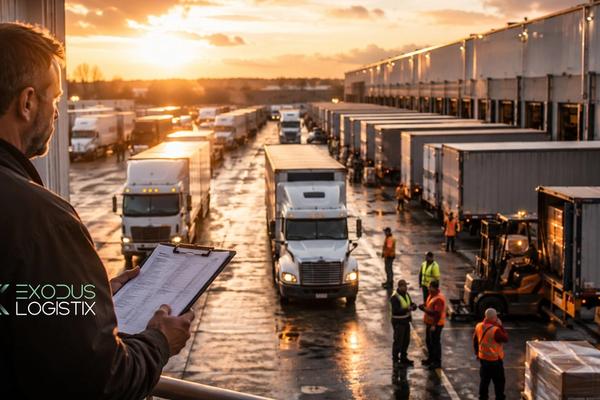
Why Freight Delays Happen, And How Shippers Can Prevent Them
Most freight delays start before the truck ever leaves. Missed appointments, scheduling conflicts, dock congestion — here's why they happen and how shippers can prevent them.

Freight Visibility in Logistics: Why Tracking Alone Doesn't Prevent Disruptions
Tracking shows where your freight is. But visibility alone doesn't prevent disruptions. Here's how structured freight visibility connects shipment data to operational response.
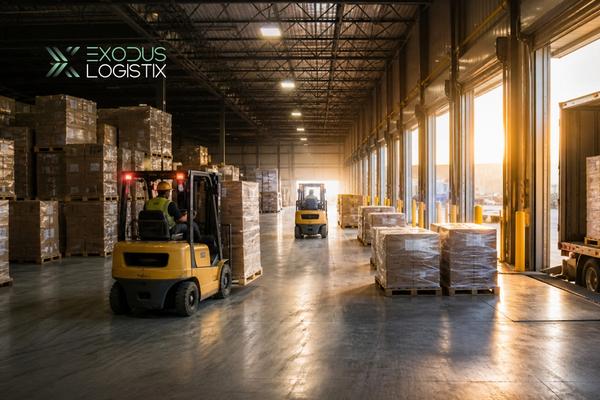
Asset Recovery Logistics: Turning Excess Inventory Into Controlled Outbound Flow
Asset recovery logistics restores capacity by moving excess inventory, improving flow, and supporting efficient supply chain operations.
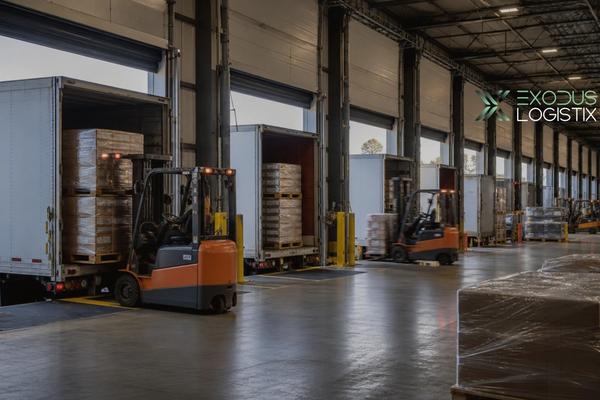
Drop Trailer Programs Explained: What They Are, How They Work, and Why Shippers Use Them
Drop trailer programs eliminate delays, reduce detention, and improve dock efficiency by letting shippers load freight on their own schedule.
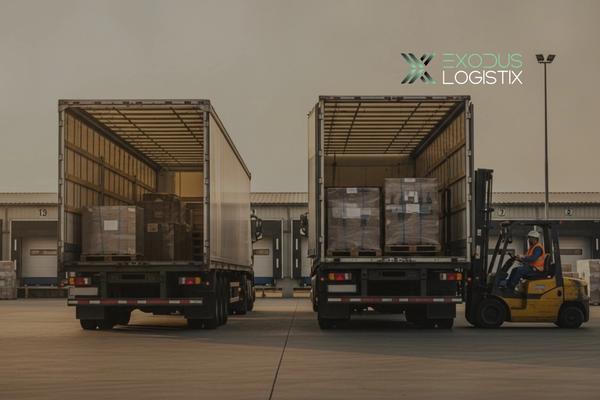
FTL vs LTL Shipping: How to Know Which One You Need
FTL or LTL? The wrong mode costs more than you think. Learn how to choose based on shipment size, transit time, handling, and cost before your freight moves.
How to Choose a Freight Broker: What to Look for Before You Commit
Choosing a freight broker is an operational decision — not just a purchasing one. Here's what to look for in carrier networks, pricing transparency, communication, and scalability before you commit.
Liquidation Freight as a Capacity Strategy in Modern Supply Chains
Liquidation freight restores capacity by moving excess inventory, improving flow, and supporting efficient supply chain operations.
Healthcare Logistics: Structured Execution for Critical Supply Chains
Healthcare logistics ensures precise control, timing, and compliance across supply chains, supporting reliable delivery of critical medical products.