
Drop Trailer Programs Explained: What They Are, How They Work, and Why Shippers Use Them
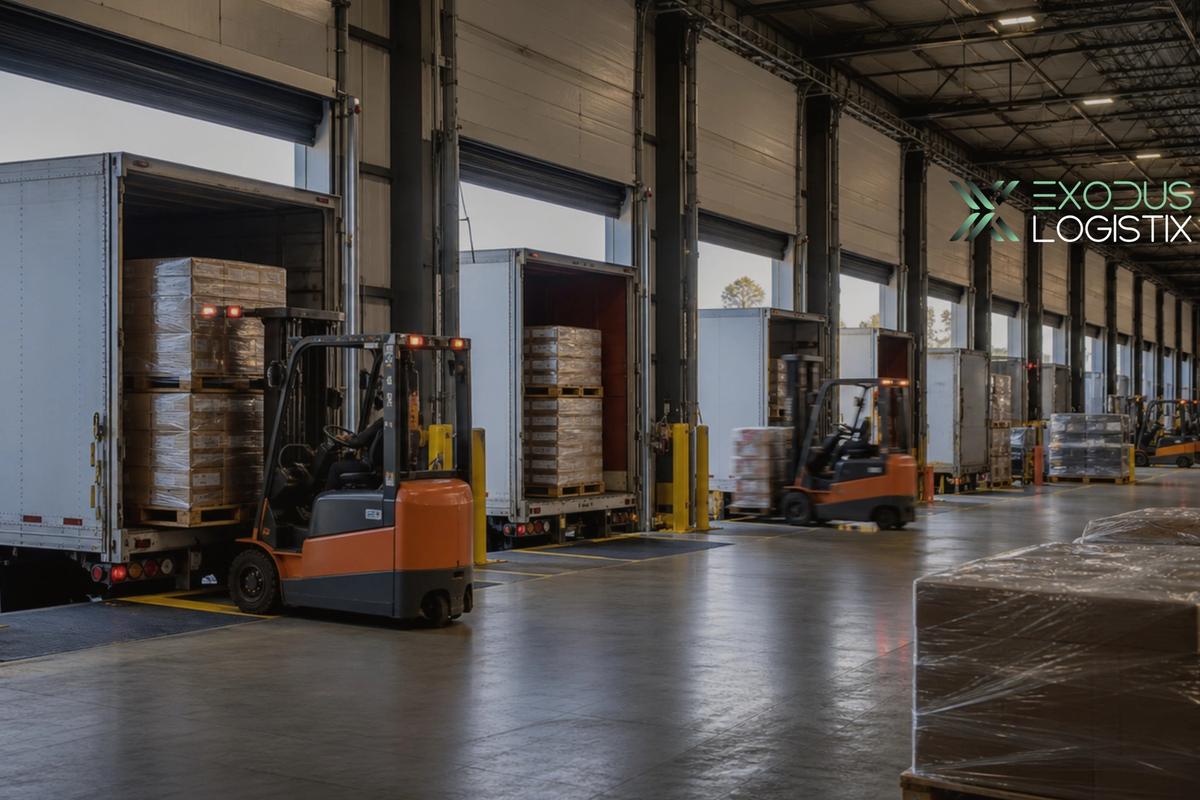
Most shipping delays don't happen in transit. They happen at the dock.
Waiting for a driver. Coordinating a live load window. Managing a facility that wasn't ready when the truck arrived.
These are not carrier problems. They are scheduling problems — and they compound fast across a busy operation.
Drop trailer programs solve this at the source.
What Is a Drop Trailer Program?
A drop trailer program is a logistics arrangement where a carrier leaves an empty trailer at a shipper's facility ahead of schedule. The shipper loads it on their own timeline. When loading is complete, the carrier returns to pick it up and move it to its destination.
No driver waiting at the dock. No live load pressure. No scheduling conflict between your operation and the carrier's availability window.
The trailer is there when you need it. You load it when you're ready. The carrier picks it up when it's done.
It's one of the most effective — and underused — tools in freight operations.
How Drop Trailer Programs Work
The process is straightforward:
- Trailer is dropped at your facility ahead of the loading window — no driver wait required
- Your team loads the trailer on your own schedule and timeline
- You notify the broker or carrier when the trailer is loaded and ready
- The carrier returns to hook the loaded trailer and move it to destination
- An empty trailer is dropped in its place to keep the cycle running
When structured correctly, this becomes a continuous loop — trailers moving in and out of your facility without the scheduling friction of live loads.
Who Benefits Most From Drop Trailer Programs
Drop trailer programs work best for operations that deal with:
High-volume shipping facilities If your dock is busy, live loads create bottlenecks. Drop trailers keep freight moving without tying up dock doors for extended windows.
Flexible or extended loading schedules If your team loads across shifts or outside standard carrier hours, a drop trailer gives you the flexibility to work on your own timeline.
Seasonal or surge volume During peak periods, carrier availability tightens. Having trailers staged at your facility means you're not competing for live load windows when capacity is hardest to find.
Manufacturing and production environments When output is tied to production cycles rather than fixed schedules, drop trailers accommodate the natural flow of a facility — not the other way around.
Distribution centers and 3PLs High throughput operations benefit from the consistent staging and outbound flow that drop trailer programs provide.
The Operational Benefits of Drop Trailer Programs
1. Eliminates Live Load Pressure
Live loads require your facility and the carrier to be ready at the same time. Drop trailers remove that dependency entirely. Your team loads when the freight is ready — not when the clock says so.
2. Reduces Detention Charges
Detention fees occur when a driver waits beyond the standard free time at your facility. With drop trailers, there is no driver waiting. Detention risk drops to near zero.
3. Improves Dock Efficiency
Staging trailers in advance allows your team to plan loading sequences, organize freight, and move product without the pressure of a live window. Dock operations run smoother and faster.
4. Increases Freight Throughput
When trailers are always available and loading runs on your schedule, outbound volume increases. Less waiting means more freight moving — consistently.
5. Strengthens Carrier Relationships
Carriers prefer drop trailer programs because it keeps their equipment moving without drivers sitting idle. That preference translates into better capacity access and more reliable service for shippers who operate this way.
6. Supports Scalability
As volume grows, drop trailer programs scale with it. Adding trailers to the rotation is simpler than sourcing live load capacity in a tight market.
Drop Trailer vs. Live Load: What's the Difference?
Drop Trailer
Live Load
Driver wait time
None
Driver waits during loading
Loading flexibility
Load on your schedule
Must load within carrier's window
Detention risk
Minimal
High if loading runs long
Dock pressure
Low
High
Best for
High-volume, flexible operations
Smaller, time-specific shipments
Capacity during peak
More predictable
Subject to market availability
Common Questions About Drop Trailer Programs
Do I need a yard to use a drop trailer program? You need space to stage trailers on your property — a yard, a dedicated staging area, or available dock doors. The exact setup depends on your facility and volume.
Who owns the trailers? Trailers are typically owned by the carrier or a trailer leasing company. Your broker coordinates access as part of the program.
What if a trailer sits too long? Programs are structured with pickup schedules to keep equipment moving. If a trailer sits beyond an agreed window, per diem charges may apply — which is why program design and communication matter.
Can drop trailer programs work for LTL freight? Drop trailer programs are most common in FTL and partial truckload operations. LTL freight moves through terminal networks and typically requires live load coordination.
Is this only for large shippers? No. Mid-size operations with consistent outbound volume benefit significantly. If your facility handles regular freight movement and scheduling friction is slowing you down, a drop trailer program is worth evaluating.
What freight volumes qualify? Drop trailer programs work best for shippers moving 3–5 or more outbound loads per week on consistent lanes. If your volume justifies dedicated trailer staging, the program pays for itself quickly in reduced detention and improved dock efficiency.
What to Look for in a Drop Trailer Program
Not every broker can structure a true drop trailer program. Look for:
- A verified carrier network with equipment available for drop arrangements
- Clear program terms — pickup schedules, per diem policies, and communication protocols defined upfront
- Proactive coordination between your facility, the carrier, and the broker
- Scalability — the ability to add trailers as volume increases
- Experience with your freight type and facility requirements
A drop trailer program that isn't structured properly creates the same scheduling problems it was meant to solve.
Conclusion: Stop Scheduling Around Your Carrier. Start Running on Your Own Timeline.
Live loads put your operation at the mercy of carrier availability windows. Drop trailer programs flip that dynamic.
Your facility loads on its schedule. Your freight moves without the friction of live coordination. Your dock runs more efficiently — and your outbound throughput reflects it.
At Exodus Logistix, drop trailer programs are built around your operation — not a one-size-fits-all arrangement. Verified carrier relationships, structured pickup schedules, and clear communication from the first trailer drop to the last delivery.
If drop trailers make sense for your freight program, we're ready to build it with you.
Tags

About the Author
exodus logistix
Exodus Logistix provides freight and logistics solutions built on disciplined planning, clear coordination, and operational accountability. With experience supporting complex shipments across multiple industries, the team focuses on reducing disruption, improving reliability, and helping businesses move freight with confidence.