
How to Choose a Freight Broker: What to Look for Before You Commit
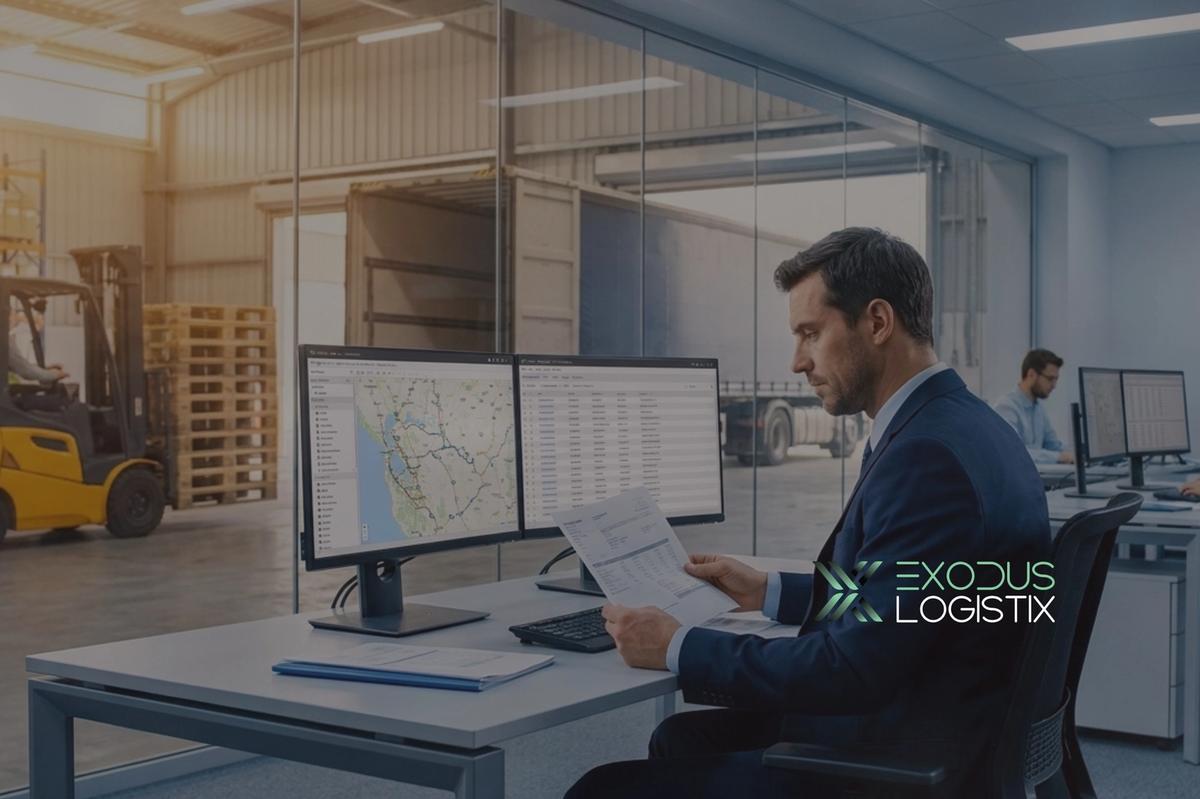
Choosing a freight broker isn't a purchasing decision.
It's an operational one.
The broker you choose doesn't just move freight. They become part of how your supply chain functions. Every shipment, every lane, every deadline.
Get it right, and operations run smoothly. Get it wrong, and the disruptions compound fast.
Here's what to look for and how the right broker should measure up.
What a Freight Broker Actually Does
A freight broker connects shippers with carriers.
But the role goes deeper than matchmaking.
A capable broker:
- sources capacity across a verified carrier network
- negotiates rates based on current market conditions
- coordinates pickup, transit, and delivery
- manages documentation and compliance
- communicates status at every stage
The difference between brokers isn't what they do. It's how consistently they do it across every shipment, not just the easy ones.
At Exodus Logistix, that consistency is built into every program we run. Disciplined planning. Clear coordination. Accountability from first contact to final delivery.
1. Carrier Network Quality
Your freight broker is only as reliable as their carriers.
Ask directly:
- How large is your carrier network?
- How do you vet carriers before onboarding?
- How do you monitor carrier performance over time?
A broker with a wide, well-vetted network gives you access to consistent capacity even when the market tightens. A broker with a shallow network leaves you exposed when it matters most.
Exodus Logistix maintains a verified carrier network built for reliability across lanes and load types. Capacity doesn't disappear the moment conditions shift.
2. Industry and Freight-Type Experience
Not all freight is the same.
FTL moves differently than LTL. Temperature-controlled cargo requires different handling than dry van. Oversized loads involve permitting, routing, and escort coordination.
Before choosing a broker, confirm:
- Do they have experience with your specific freight type?
- Have they served your industry before?
- Can they handle specialized requirements?
Experience in your lane reduces execution risk. A broker learning on your freight is a liability.
Exodus Logistix supports shippers across manufacturing, healthcare, energy, retail, food and beverage, and more. Freight programs are structured to the specific demands of each industry, not adapted after the fact.
3. Transparency in Pricing
Rate quotes are easy to get. Understanding what's included is harder.
When evaluating pricing, ask:
- Is this an all-in rate or a base rate with add-ons?
- What accessorial charges apply? Fuel, detention, liftgate?
- How are rate changes communicated?
A broker that leads with transparency on pricing operates with integrity across the board. Hidden charges are a signal, not an exception.
At Exodus Logistix, pricing is clear from the start. No surprises mid-shipment. No charges that weren't discussed upfront.
4. Communication and Visibility
Freight problems don't wait for business hours.
Before committing, understand:
- What visibility tools are available for tracking shipments?
- Who is your dedicated point of contact?
- How quickly are issues escalated and resolved?
Consistent, proactive communication separates reliable brokers from reactive ones. If a broker is hard to reach during the sales process, they will be harder to reach when a shipment is delayed.
Exodus Logistix operates with clear communication at every stage. Shippers are never left guessing about where their freight is or what's happening next.
5. Operational Capacity During Peak Periods
Capacity is easy to find in slow markets.
The real test is peak season, market disruptions, and high-demand periods.
Ask:
- How do you source capacity when the market is tight?
- Do you have dedicated carrier relationships or rely entirely on the spot market?
- What is your on-time delivery rate during high-demand periods?
A broker with structured carrier relationships maintains performance when others scramble. Spot-market-only brokers are one market shift away from failing your operation.
Exodus Logistix builds carrier relationships designed to hold. Not just in favorable conditions, but when conditions get difficult.
6. Compliance and Documentation
Freight moves within a regulated environment.
Your broker must be equipped to handle:
- carrier insurance verification
- freight documentation and bill of lading accuracy
- claims management when issues arise
- specialized compliance where applicable
A broker that manages documentation accurately reduces your liability and keeps shipments moving without unnecessary delay.
At Exodus Logistix, documentation and compliance are treated as part of execution. Not an afterthought.
7. Scalability
Your logistics needs will change.
A broker that works well at your current volume must also be capable of scaling with you. More lanes, more shipments, more complexity.
Evaluate:
- Can they support multi-location operations?
- Do they have experience scaling with growing shippers?
- Is their team structured to handle increased volume without losing performance?
Choosing a broker built only for your current size creates a transition problem down the road.
Exodus Logistix is built to scale. Programs are designed to grow with your operation, maintaining the same level of structure and reliability at higher volume as at lower volume.
Questions to Ask Before You Sign
Before committing to any freight broker, walk through these directly:
- How many carriers are in your network, and how are they vetted?
- What is your claims rate, and how are claims handled?
- Who manages my account day to day?
- How do you handle capacity shortages?
- What does your communication process look like during active shipments?
The answers reveal more than a sales pitch ever will.
What to Avoid
Not every broker operates with the same standards.
Watch for:
- vague answers about carrier vetting
- rates that seem unusually low without explanation
- no dedicated point of contact
- limited tracking visibility
- slow response times during the evaluation process
These are operational signals, not just sales concerns. They tell you exactly how a broker will perform once they have your freight.
Conclusion: Choose Structure Over Price
The cheapest broker is rarely the most reliable one.
Freight disruptions cost more than rate savings gain.
The right freight broker brings structured execution, consistent carrier access, clear communication, and the operational depth to handle complexity. Not just standard moves.
At Exodus Logistix, freight brokerage is built on disciplined planning, verified carrier relationships, and accountability at every step. Not just for the first shipment, but for every one that follows.
If you're evaluating freight brokers and want to work with a team that takes execution seriously, we're ready to talk.
Tags

About the Author
exodus logistix
Exodus Logistix provides freight and logistics solutions built on disciplined planning, clear coordination, and operational accountability. With experience supporting complex shipments across multiple industries, the team focuses on reducing disruption, improving reliability, and helping businesses move freight with confidence.