
Why Freight Delays Happen, And How Shippers Can Prevent Them
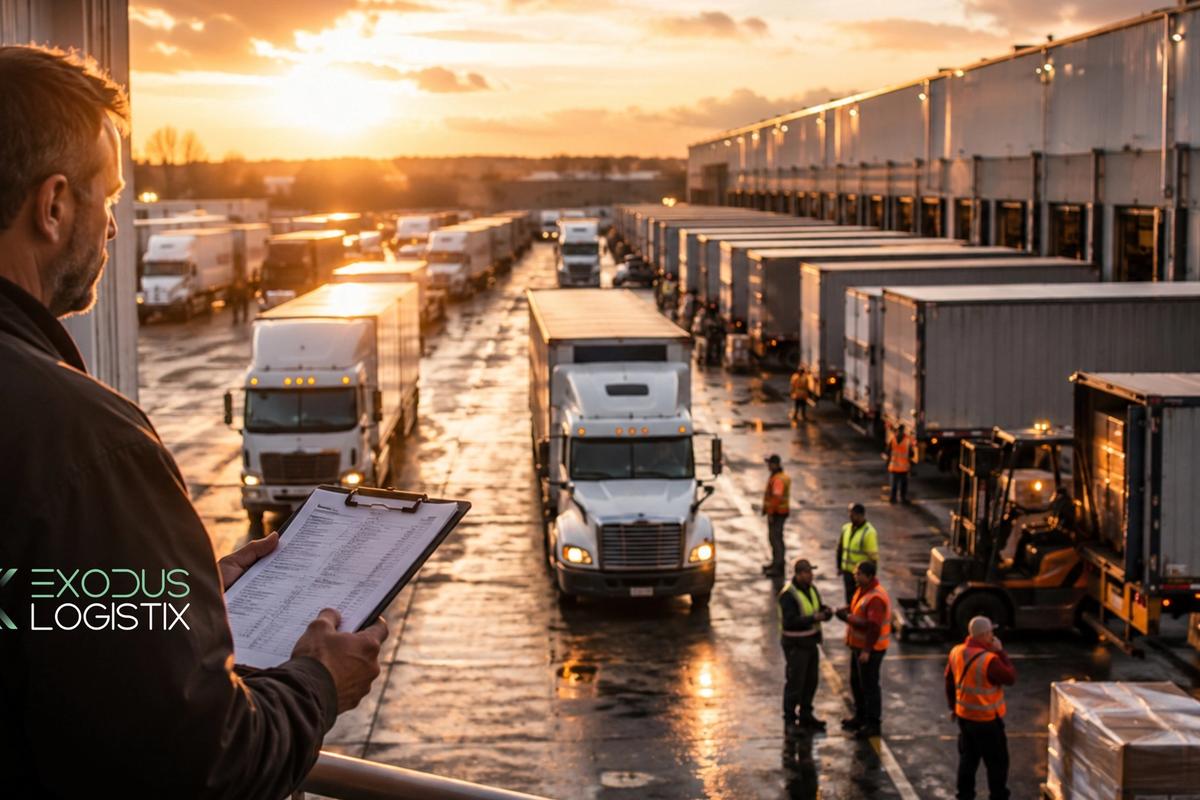
Most freight delays don’t begin on the road.
They begin before the truck ever leaves the facility.
A missed dock appointment. A warehouse that wasn’t ready for loading. A scheduling conflict between operations and carrier availability. A shipment that sat waiting because communication broke down somewhere in the process.
These are not isolated transportation problems.
They are operational coordination problems — and they create ripple effects across the supply chain fast.
Freight delays cost businesses more than time. They disrupt production schedules, increase labor inefficiencies, trigger detention fees, and impact customer expectations downstream.
The good news is that most freight delays are preventable when logistics operations are structured correctly.
Why Freight Shipments Get Delayed
Freight delays typically happen when multiple parts of the supply chain fall out of sync.
The truck may be available. The freight may be ready. But if scheduling, visibility, dock flow, or communication breaks down, the entire shipment timeline is affected.
Some of the most common causes of freight delays include:
- dock congestion
- inefficient scheduling
- delayed loading or unloading
- communication gaps between teams
- limited shipment visibility
- routing inefficiencies
- carrier capacity constraints
- reactive logistics planning
In many operations, delays compound quickly.
One late pickup creates a missed delivery window. One missed appointment backs up the dock schedule. One overloaded facility slows every outbound shipment behind it.
Freight delays rarely stay isolated to a single load.
Dock Congestion Creates Bottlenecks Fast
One of the most common causes of freight delays is dock congestion.
When too many trucks arrive within overlapping windows, facilities struggle to load and unload freight efficiently. Drivers wait. Schedules shift. Outbound movement slows down across the operation.
Dock congestion is often caused by:
- overloaded shipping schedules
- labor shortages
- inconsistent appointment coordination
- live load dependency
- limited dock capacity
As facilities scale, these bottlenecks become more expensive.
A single delayed dock can affect multiple outbound loads throughout the day — especially in high-volume operations where timing and throughput matter.
Why Live Load Scheduling Creates Delays
Live loads require two operations to align perfectly at the same time:
- the carrier’s schedule
- your facility’s readiness
If either side falls behind, delays happen immediately.
A truck arrives before the freight is ready. The warehouse is overloaded during the scheduled loading window. Staffing shifts change unexpectedly. Production runs late.
Every delay pushes the schedule further downstream.
This is why many high-volume shippers move toward operational models that reduce dependency on rigid live load timing.
The less your operation depends on synchronized loading windows, the more flexible and efficient freight movement becomes.
Visibility Helps — But Visibility Alone Doesn't Prevent Delays
Real-time tracking has improved modern freight operations significantly.
But visibility alone does not solve operational inefficiencies.
Knowing where a shipment is only matters if your team can respond proactively.
Without coordinated scheduling, communication, and execution:
- visibility becomes reactive
- delays still escalate
- bottlenecks still happen
- drivers still wait
- freight still sits
The most efficient logistics operations combine:
- real-time visibility
- proactive coordination
- structured scheduling
- operational flexibility
- responsive carrier communication
Freight moves best when the operation behind it is aligned.
How Freight Delays Impact Operations
Transportation delays affect more than delivery timelines.
They impact the entire operational flow of a business.
Recurring delays can create:
- production downtime
- labor inefficiencies
- missed customer appointments
- inventory disruption
- warehouse congestion
- detention charges
- increased transportation costs
Over time, even small delays compound into larger operational instability.
For businesses managing high shipment volumes, reducing freight delays becomes less about transportation alone — and more about building a coordinated logistics strategy.
How Shippers Reduce Freight Delays
Operations that consistently reduce delays usually focus on the same core areas:
Structured Dock Scheduling
Facilities that manage appointments proactively reduce congestion and improve loading flow across the dock.
Flexible Loading Operations
Reducing dependency on rigid live load windows gives operations more control over outbound movement.
Strong Carrier Communication
Frequent communication between dispatchers, warehouse teams, and drivers helps resolve issues before they create larger disruptions.
Real-Time Operational Visibility
Access to accurate shipment data allows teams to identify delays early and respond proactively.
Better Route Planning
Optimized routing improves transit reliability and reduces unnecessary delays in movement.
Reliable Carrier Partnerships
Consistent carrier relationships improve scheduling stability and help businesses maintain capacity during peak demand periods.
When these systems work together, freight moves faster — and more predictably.
Freight Delays Are Usually a Systems Problem
Most recurring freight delays are not caused by one bad shipment.
They’re caused by operational systems that create friction repeatedly:
- overloaded docks
- reactive scheduling
- fragmented communication
- inconsistent coordination
- inefficient loading flow
When delays become frequent, the issue is often structural — not situational.
Fixing the problem requires more than faster tracking updates or tighter appointment windows.
It requires logistics operations designed around coordination, efficiency, and execution.
Common Questions About Freight Delays
What causes freight delays most often?
The most common causes include dock congestion, scheduling conflicts, loading delays, communication gaps, weather disruptions, and limited transportation capacity.
Can freight delays be prevented?
Not every delay can be eliminated, but businesses can significantly reduce disruptions through proactive scheduling, operational coordination, visibility tools, and flexible freight planning.
Why do live loads create operational pressure?
Live loads require the carrier and facility to be ready simultaneously. If either side falls behind schedule, delays occur immediately.
Does shipment tracking prevent delays?
Tracking improves visibility, but visibility alone does not solve scheduling or operational bottlenecks. Coordination and execution are equally important.
What are detention fees?
Detention fees occur when drivers are forced to wait beyond the standard loading or unloading window at a facility.
Why do high-volume facilities experience more delays?
Higher shipment volume increases scheduling complexity, dock congestion, and operational pressure — especially when systems are not structured efficiently.
Conclusion: Freight Delays Usually Start Before the Truck Moves
Most freight delays don’t happen because the truck was late.
They happen because operations, scheduling, communication, and execution fell out of alignment before movement even started.
The businesses that reduce delays consistently are the ones that treat logistics as a coordinated operational system — not just transportation.
At Exodus Logistix, freight operations are built around visibility, coordination, and execution designed to keep shipments moving efficiently across every stage of the supply chain.
From scheduling support to transportation coordination and scalable freight solutions, the goal is simple: reduce friction before it becomes disruption.
👉 Learn more about transportation and logistics solutions at https://exoduslogistix.com/services
Tags

About the Author
exodus logistix
Exodus Logistix provides freight and logistics solutions built on disciplined planning, clear coordination, and operational accountability. With experience supporting complex shipments across multiple industries, the team focuses on reducing disruption, improving reliability, and helping businesses move freight with confidence.