
Latest Articles
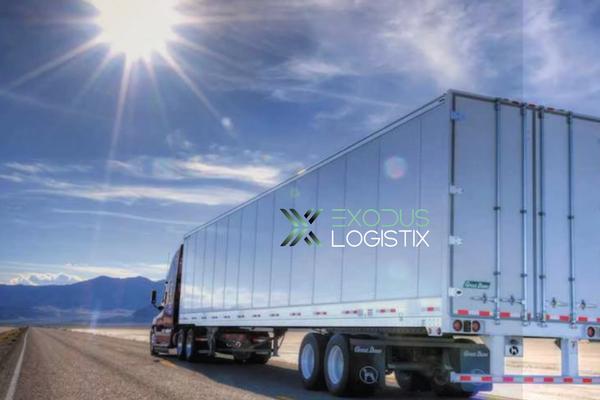
Drop Trailer Programs: A Strategic Advantage for Modern Supply Chains
Drop trailer programs improve dock efficiency, secure capacity, and reduce freight variability by staging trailers in advance and aligning pickups with operational timing.
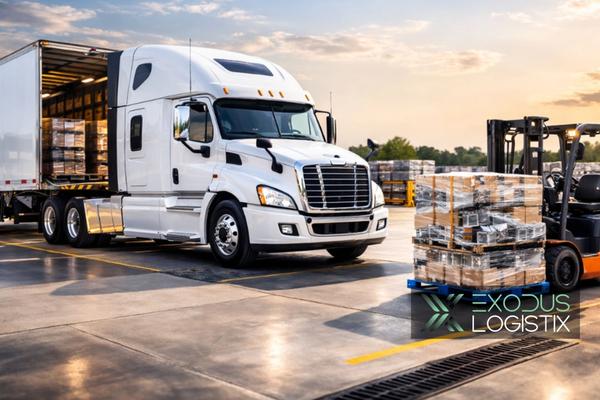
Manufacturing Logistics: Structured Freight Execution That Protects Production Continuity
Manufacturing logistics supports production continuity through structured freight execution, disciplined planning, and alignment with operational schedules.
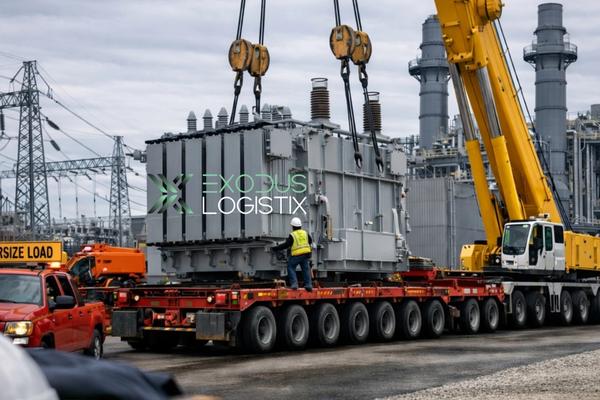
Energy Logistics: Planning, Precision, and Performance for High-Value Freight
Energy logistics supports oversized, high-value freight through structured planning, permitting coordination, and disciplined execution across complex projects.

Automotive Logistics: Precision Planning and Reliable Execution for Complex Supply Chains
Automotive logistics requires precision planning, real-time visibility, and disciplined execution to protect production schedules and supply chain performance.
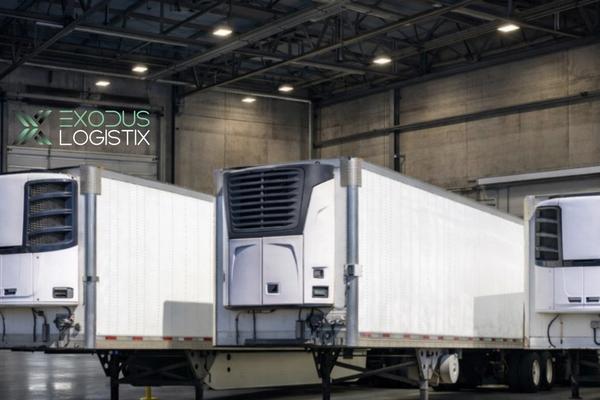
Dry and Refrigerated Transportation: Protecting Product Integrity Through Structured Execution
Dry and refrigerated transportation requires structured planning to protect product integrity, control transit conditions, and ensure reliable delivery performance.
Blind Shipments Explained: Shipper Blind, Receiver Blind, and Double Blind Freight
Blind shipments protect supplier and customer relationships by limiting shipment visibility. Learn how shipper blind, receiver blind, and double blind freight work.

Truckload vs Intermodal Shipping: Key Differences, Costs, and Which is Better in 2026
Compare truckload vs intermodal shipping to understand cost, transit time, reliability, and which option fits your long-haul freight needs.
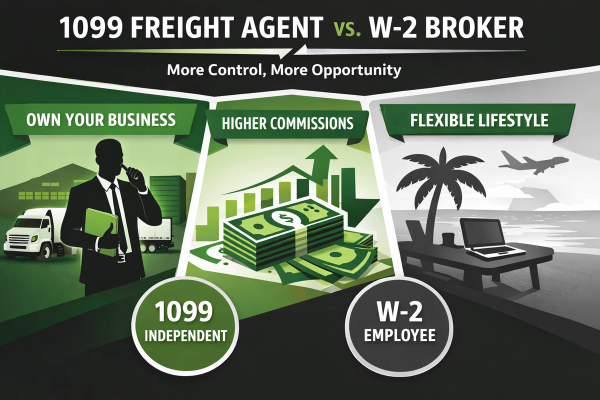
Freight Agents: Why the 1099 Model Is Better Than a W-2 Broker Role
The 1099 freight agent model offers experienced brokers more control, flexibility, and earning potential than traditional W-2 roles. Learn why more professionals are making the shift.

Strategic Logistics Planning: Reducing Delays and Protecting Your Bottom Line
Strategic logistics planning reduces delays by improving coordination, execution, and accountability across the supply chain. Learn how disciplined planning protects margins and delivery performance.