
Drop Trailer Programs: A Strategic Advantage for Modern Supply Chains
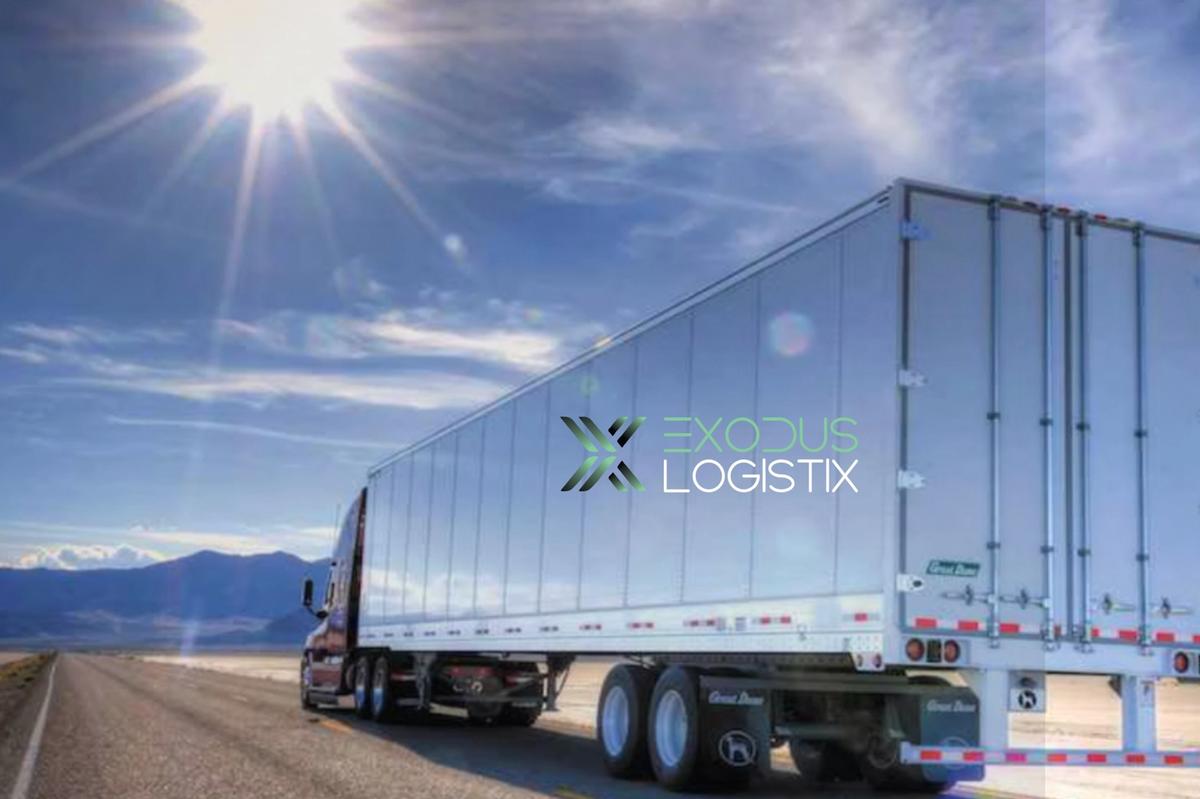
In today’s competitive logistics landscape, static delivery commitments and dynamic production environments often collide. Freight schedules can’t bend to every slip in capacity, dock congestion, or supplier delay — but supply chains still need predictable execution.
Drop trailer programs are a logistics strategy that turns scheduled freight uncertainty into operational flexibility.
At Exodus Logistix, we design and manage drop trailer programs that provide shippers with capacity reliability, streamlined loading and unloading, and improved dock utilization — all while reducing dwell time and freight variability.
What Is a Drop Trailer Program?
A drop trailer program is a freight strategy where carriers drop a pre-loaded or empty trailer at a shipper’s dock or facility in advance of pickup or delivery windows. Instead of scheduling a strict pickup time, the carrier leaves (or “drops”) the trailer, and the shipper loads or unloads according to their own operational timing.
A typical drop trailer program may include:
• Trailer drops at origin or destination • Pre-staged outbound freight • Multiple drop windows per week • Dedicated dock access • Operational coordination with carrier partners
Unlike traditional appointment-based pickups and deliveries, drop trailer programs reduce pressure on dock schedules and allow operations to proceed with greater predictability.
Why Drop Trailer Programs Matter
Manufacturers, distributors, and high-volume shippers face constant scheduling pressures:
Limited Dock Access
Scheduled appointments can lead to congestion, idle time, and resource inefficiencies.
Carrier Capacity Challenges
Priority lanes and high utilization can push delivery times into uncertain windows.
Production and Fulfillment Dependencies
Operations rely on timely freight movement to sustain assembly lines and customer commitments.
Drop trailer programs mitigate these issues by giving shippers:
✔ Greater loading flexibility ✔ Improved dock utilization ✔ Reduced wait times for carriers ✔ Lower detention and demurrage exposure ✔ Better alignment with production and fulfillment schedules
Instead of squeezing freight into rigid appointment slots, shippers can load and unload on their timetable, improving throughput and operational stability.
How Drop Trailer Programs Work
A drop trailer program typically follows these elements:
1. Trailer Staging
Carriers drop trailers at predetermined times and locations — on the shipper’s dock or yard.
2. Scheduled Loading & Unloading
Shippers control when trailers are filled or emptied during their production or shipping cycles.
3. Pickup Coordination
Once trailers are ready, carriers pick them up during agreed-upon windows, reducing pressure on dock scheduling.
4. Communication & Visibility
Clear communication protocols ensure that shippers, carriers, and logistics partners are synchronized throughout the drop and pickup process.
Benefits of Structured Drop Trailer Programs
Increased Operational Flexibility
Shippers no longer need to lock into tight appointment times. This boosts productivity and reduces dock bottlenecks.
Faster Turnaround
Carriers spend less time waiting for docks to become available — reducing detention costs and improving lane performance.
Predictable Capacity
Drop trailers secure assets in advance, giving shippers a planning advantage — especially in peak seasons and high-volume lanes.
Cost Stabilization
Reducing dock wait times and detention exposure helps control logistics overhead and provide more predictable freight expense.
Enhanced Carrier Relationships
Carriers appreciate predictable usage patterns and less idle time — strengthening partnership performance.
Who Should Use Drop Trailer Programs?
A drop trailer strategy benefits organizations handling:
• High-volume outbound freight • Seasonal or peak production cycles • Repetitive shipping patterns • Facilities with consistent loading and unloading demand • Multi-dock operations • JIT and lean manufacturing environments
These programs are particularly effective for industries such as:
- Manufacturing
- Retail distribution
- Consumer packaged goods
- Automotive parts
- Energy components
- Food and beverage (non-temperature sensitive)
Best Practices for Implementing Drop Trailer Programs
To realize the full value of a drop trailer strategy, consider these operational practices:
✔ Schedule consistent drop windows ✔ Align trailers to production velocity ✔ Communicate staging status in real time ✔ Monitor trailer dwell time ✔ Standardize internal procedures for loading/unloading ✔ Use visibility tools for pickup coordination
Exodus Logistix embeds structured communication and execution protocols into every drop trailer program — supporting both shippers and carriers with disciplined execution oversight.
Final Perspective: Drop Trailers as Operational Leverage
Drop trailer programs are more than a scheduling tactic — they are an operational lever that strengthens stability and reduces variability in dense supply chains. When freight execution isn’t constrained by rigid appointment slots, operations can flow with greater predictability, capacity becomes more reliable, and supply chain risk is reduced.
Exodus Logistix helps shippers implement and manage drop trailer programs with discipline, visibility, and accountability — transforming static scheduling into operational advantage.
Learn more about how Exodus Logistix supports drop trailer programs: 👉 https://exoduslogistix.com/services/drop-trailer-programs
Tags

About the Author
exodus logistix
Exodus Logistix provides freight and logistics solutions built on disciplined planning, clear coordination, and operational accountability. With experience supporting complex shipments across multiple industries, the team focuses on reducing disruption, improving reliability, and helping businesses move freight with confidence.