
Energy Logistics: Planning, Precision, and Performance for High-Value Freight
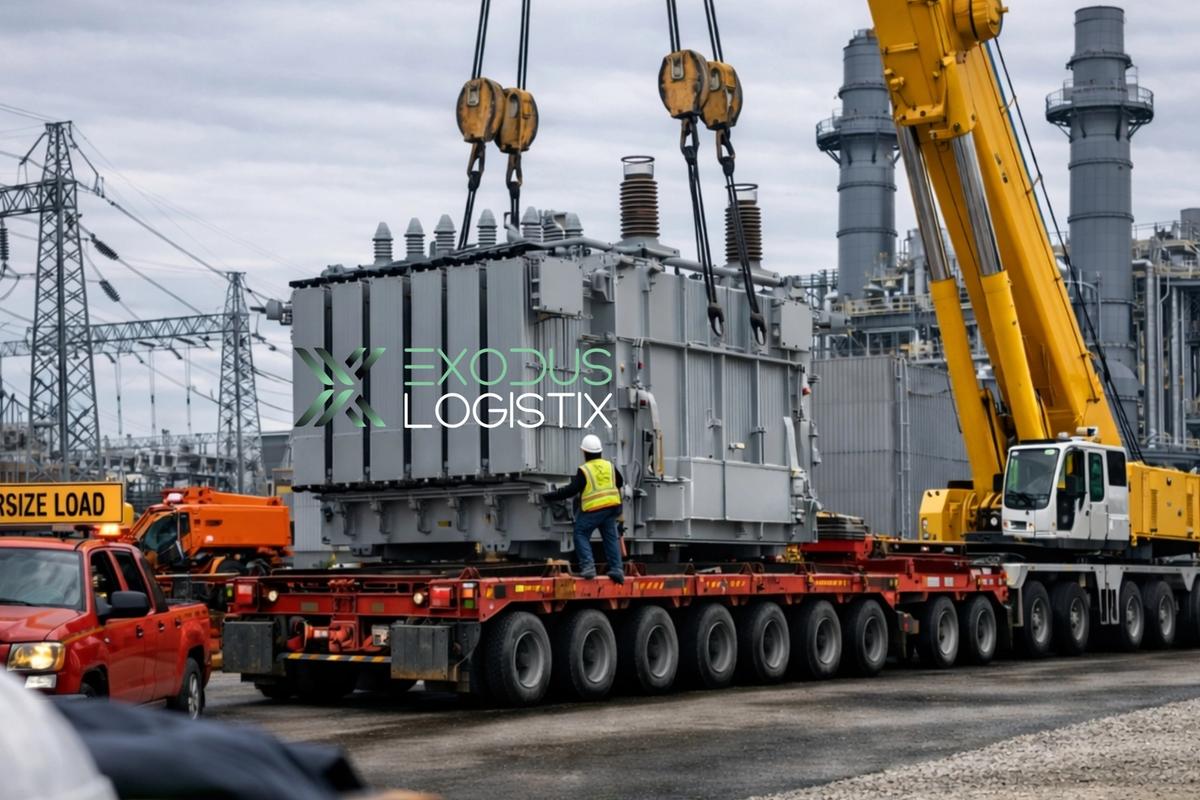
The energy sector moves some of the most critical and high-value freight in supply chains — from power generation components and drilling equipment to specialized infrastructure materials. When shipments are delayed, mishandled, or miscommunicated, the cost is not simply financial; it can mean operational downtime, safety risks, and disrupted project timelines.
Energy logistics demands planning, precision, and execution discipline. Whether supporting upstream, midstream, or downstream operations, energy freight requires a logistics partner that combines real-world operational practices with coordinated execution.
At Exodus Logistix, we provide energy logistics solutions that protect project schedules, support safety requirements, and reduce exposure to risk — driving reliable supply chain performance across complex energy operations.
What Is Energy Logistics?
Energy logistics refers to the planning and execution of freight movement tied to energy production, infrastructure projects, and related support operations.
This includes:
- Heavy and oversized equipment
- High-value industrial components
- Drilling and extraction materials
- Power generation and distribution parts
- Specialized freight requiring permits and escorts
Unlike standard freight, energy logistics often involves:
- Oversized and overweight freight
- Multi-modal transport requirements
- Permitting and routing compliance
- Safety and regulatory oversight
- Coordinated handling and lift planning
This complexity places execution precision at the core of logistics strategy for the energy sector.
Why Precision Matters in Energy Supply Chains
Energy projects operate on fixed schedules and tight budgets. Delays in freight execution can quickly escalate into:
Lost Operational Time
Project timelines can slip when critical parts don’t arrive on schedule.
Cost Overruns
Equipment idle time, re-routing, or storage costs can erode margins.
Safety Impacts
Improper handling or delays in receiving safety-critical equipment can increase risk exposure.
These realities make energy logistics not just a shipping function — but an operational necessity.
How Energy Logistics Differs from Standard Freight
Standard freight often moves without direct impact on production or critical project milestones. Energy freight, in contrast, must consider:
- Dimensional freight planning — trucks, rigs, and cranes sized to each component
- Permitting and escort coordination — for over-dim and over-weight freight
- Site readiness and staging — ensuring delivery windows align with on-site operations
- Multi-modal routing — combining highway, rail, or marine transport when necessary
- Safety and compliance documentation — critical for regulatory adherence
This complexity requires logistics planning that is both structured and adaptive.
Core Practices for Reliable Energy Logistics
To support energy supply chains effectively, logistics strategies should include:
Strategic Load Planning
Each shipment is evaluated for dimensions, handling requirements, and routing compliance.
Permitting and Route Coordination
Oversize freight requires approved routes, permits, and, in some cases, escort vehicles — all coordinated proactively.
Carrier Selection & Equipment Match
Specialized freight often needs specific chassis, flatbeds, low-boys, or modular transport equipment. Assigning the right equipment reduces risk.
Clear Execution Visibility
Tracking freight from origin to delivery ensures real-time updates and faster issue response.
Safety-Driven Handling
Coordination at pick-up, transition points, and delivery minimizes handling risk and supports regulatory compliance.
This operational framework protects both the freight and the projects that depend on it.
When to Use Specialized Energy Logistics Support
Energy logistics solutions are essential when:
- Freight exceeds standard size or weight restrictions
- Routing requires permitting or escorts
- Projects follow fixed deployment timelines
- On-site staging must be synchronized with deliveries
- Equipment critical to project success cannot be delayed
In these scenarios, logistics becomes integral to project performance — not just freight movement.
Technology and Data in Energy Logistics
Reliable energy logistics depends on technology that strengthens execution:
- GPS tracking and ETA visibility
- Route optimization tools
- Automated compliance documentation
- Exception alerts and notifications
- Carrier performance dashboards
Exodus Logistix leverages data and communication tools that improve freight oversight and decision-making across energy supply chains.
Final Perspective: Execution Drives Energy Project Success
In energy logistics, execution is not an advantage — it is a requirement.
When freight is planned, coordinated, and executed with precision:
- Project timelines stay on schedule
- Safety and compliance risks are reduced
- Costs remain controlled
- Operational predictability increases
For energy shippers managing high-value, mission-critical freight, disciplined logistics execution is the difference between disruption and performance.
Learn more about how Exodus Logistix supports energy logistics:
Tags

About the Author
exodus logistix
Exodus Logistix provides freight and logistics solutions built on disciplined planning, clear coordination, and operational accountability. With experience supporting complex shipments across multiple industries, the team focuses on reducing disruption, improving reliability, and helping businesses move freight with confidence.