
Dry and Refrigerated Transportation: Protecting Product Integrity Through Structured Execution
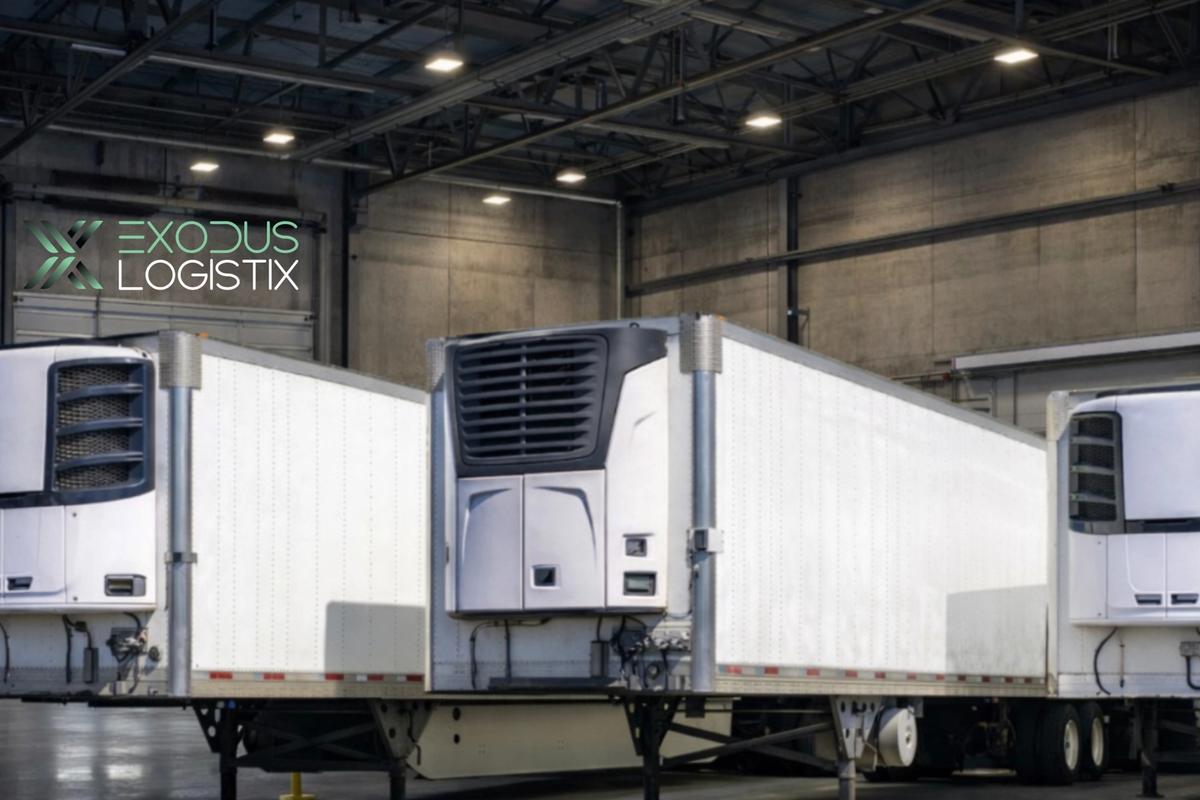
Dry and Refrigerated Transportation: Protecting Product Integrity Through Structured Execution
Some shipments can’t afford exposure — not to temperature shifts, transit delays, or handling gaps.
Dry van and refrigerated transportation require more than equipment. They require structured planning, defined execution standards, and coordinated oversight that protect product integrity from origin to delivery.
At Exodus Logistix, dry and temperature-controlled freight is coordinated through an operational framework built around planning, carrier alignment, visibility checkpoints, and accountability throughout transit.
When transit conditions are controlled, product quality is protected — and operations remain predictable.
What Is Dry Van Transportation?
Dry van transportation refers to enclosed trailer freight used to move non-temperature-sensitive goods.
It supports:
- Packaged consumer goods
- Manufacturing materials
- Retail inventory
- Building products
- Palletized freight
While dry freight does not require active temperature control, it still demands structured coordination. Equipment availability, dock scheduling, and delivery performance must be aligned before dispatch.
Through defined operational checkpoints — including pre-dispatch verification and delivery confirmation — dry van freight moves with reduced exposure to avoidable disruption.
Execution discipline matters, even when temperature is not a factor.
What Is Refrigerated (Reefer) Transportation?
Refrigerated transportation uses temperature-controlled trailers to determine and maintain a specified temperature range throughout transit.
Reefer freight commonly supports:
- Food and beverage shipments
- Perishable products
- Pharmaceuticals
- Temperature-sensitive materials
Unlike dry freight, refrigerated transportation introduces additional variables:
- Pre-cooling validation
- Continuous temperature monitoring
- Seal integrity checks
- Compliance documentation
To manage these variables, structured oversight is essential. Temperature-sensitive freight is coordinated within a framework that includes monitoring protocols, carrier performance standards, and defined escalation procedures if deviations occur.
When the operational framework is clear, product integrity is maintained.
Why Operational Structure Matters in Dry & Refrigerated Freight
Both dry van and refrigerated shipments involve risk exposure.
Without coordinated planning, common issues can include:
- Equipment mismatch
- Dock delays
- Temperature deviations
- Unverified handoffs
- Delivery performance gaps
A structured execution framework addresses these risks by aligning:
- Carrier selection standards
- Scheduling discipline
- Transit visibility
- Communication protocols
- Delivery accountability
This approach reduces variability and improves predictability across freight programs.
Reducing Handling Risk and Transit Gaps
Every additional handoff increases exposure.
Structured routing and deliberate carrier coordination help reduce:
- Unnecessary transfers
- Idle dwell time
- Temperature fluctuations
- Freight damage
For refrigerated freight, fewer touchpoints mean greater temperature stability.
For dry freight, controlled routing means fewer opportunities for disruption.
Operational discipline reduces variability — and variability introduces risk.
Accountability Through Delivery
Reliable freight performance is not reactive. It is structured.
Dry and refrigerated freight coordination includes:
- Confirmed dispatch instructions
- Real-time status communication
- Verified delivery documentation
- Defined escalation paths
This layered oversight ensures that shipments are not simply moving — they are being actively managed.
When execution accountability is built into the process, performance becomes consistent rather than situational.
Choosing Between Dry and Refrigerated Transportation
The decision depends on product sensitivity and operational risk tolerance.
Choose Dry Van When:
- Freight is not temperature-sensitive
- Standard enclosed protection is sufficient
- Stability and cost efficiency are priorities
Choose Refrigerated Transportation When:
- Temperature control is mandatory
- Regulatory compliance applies
- Product quality depends on environmental stability
Selecting the right equipment is only the first step. Structured oversight ensures the shipment performs as expected.
Final Perspective: Controlled Transit Protects Supply Chain Performance
Dry and refrigerated transportation are not interchangeable services — and neither should be managed casually.
Through structured planning, aligned carrier selection, defined checkpoints, and delivery accountability, dry and temperature-controlled freight moves with reduced exposure to disruption.
When operational frameworks support execution, product integrity is preserved — and supply chains operate with greater confidence.
Learn more about dry and refrigerated freight solutions:
👉 https://exoduslogistix.com/services/dry-refrigerated
Tags

About the Author
exodus logistix
Exodus Logistix provides freight and logistics solutions built on disciplined planning, clear coordination, and operational accountability. With experience supporting complex shipments across multiple industries, the team focuses on reducing disruption, improving reliability, and helping businesses move freight with confidence.