
Latest Articles
how-freight-consolidation-reduces-transportation-costs
Learn how freight consolidation improves transportation planning and trailer utilization while reducing unnecessary freight costs.
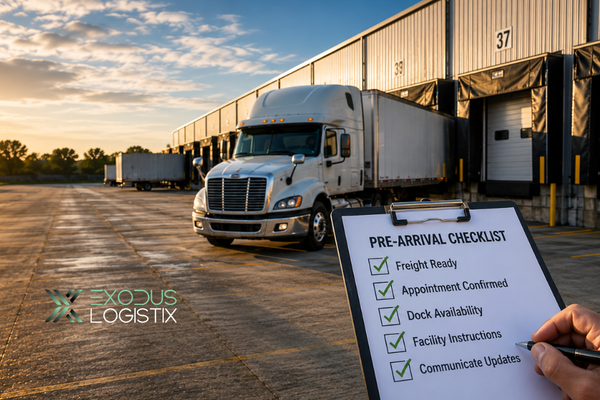
How Can Shippers Reduce Detention Before a Truck Arrives?
Truck detention often starts before a driver reaches the facility. Learn how better scheduling, freight readiness, communication, and dock coordination can help reduce avoidable delays.
When Should Shippers Consider Intermodal Instead of Truckload?
Learn when shippers should consider intermodal instead of truckload based on freight distance, transit flexibility, lane consistency, cost, and service requirements.
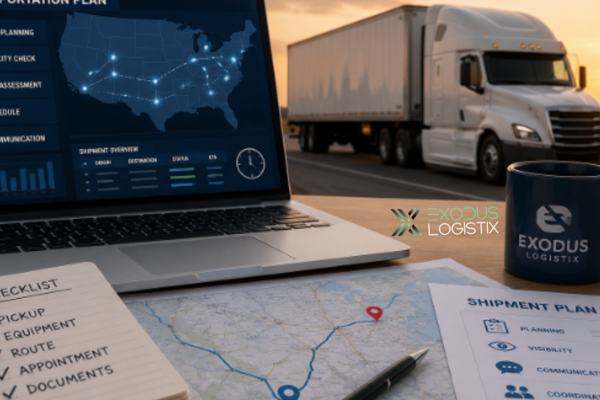
How Can Transportation Planning Reduce Supply Chain Disruptions?
Learn how transportation planning helps businesses reduce supply chain disruptions through better coordination, shipment visibility, communication, and proactive freight management.
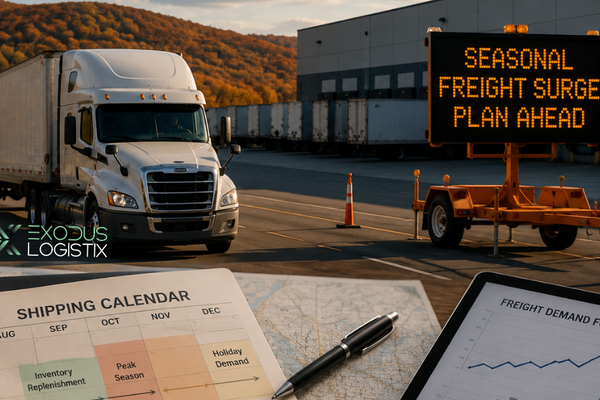
How Do Seasonal Freight Surges Affect Transportation Capacity?
Learn how seasonal freight surges affect transportation capacity, equipment availability, and shipment planning—and how businesses can prepare for peak demand.
How Do Fuel Surcharges Affect Freight Costs? What Shippers Should Know
Learn how fuel surcharges affect freight costs, why they change with diesel prices, and how better transportation planning can help businesses manage shipping expenses.
How Does California's Produce Season Affect Freight Planning?
Learn how California's produce season affects freight planning, refrigerated transportation, and shipment scheduling, and discover practical ways to prepare for seasonal demand.
How Do Drop Trailer Programs Help Eliminate Warehouse Bottlenecks?
Discover how drop trailer programs improve warehouse efficiency by reducing dock congestion, minimizing driver wait times, and supporting better transportation coordination.
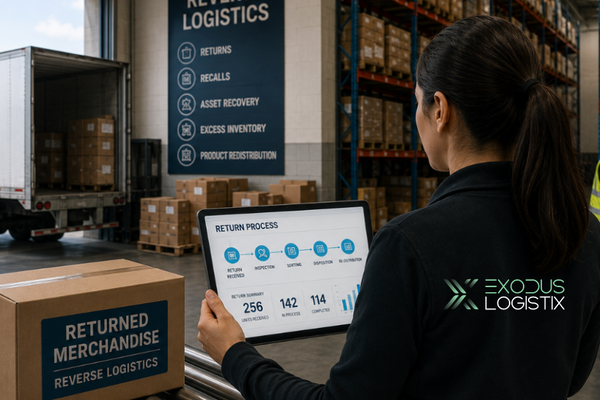
What Is Reverse Logistics? Understanding How Product Returns Move Through the Supply Chain
Discover how reverse logistics helps businesses manage product returns, recalls, excess inventory, and asset recovery while improving supply chain visibility and operational efficiency.
Why Is Shipment Visibility Important? Understanding the Value of Knowing Where Your Freight Is
Discover why shipment visibility matters, how it improves freight transportation, and how real-time updates help businesses strengthen supply chain performance.