
How Do Seasonal Freight Surges Affect Transportation Capacity?
Quick Answer
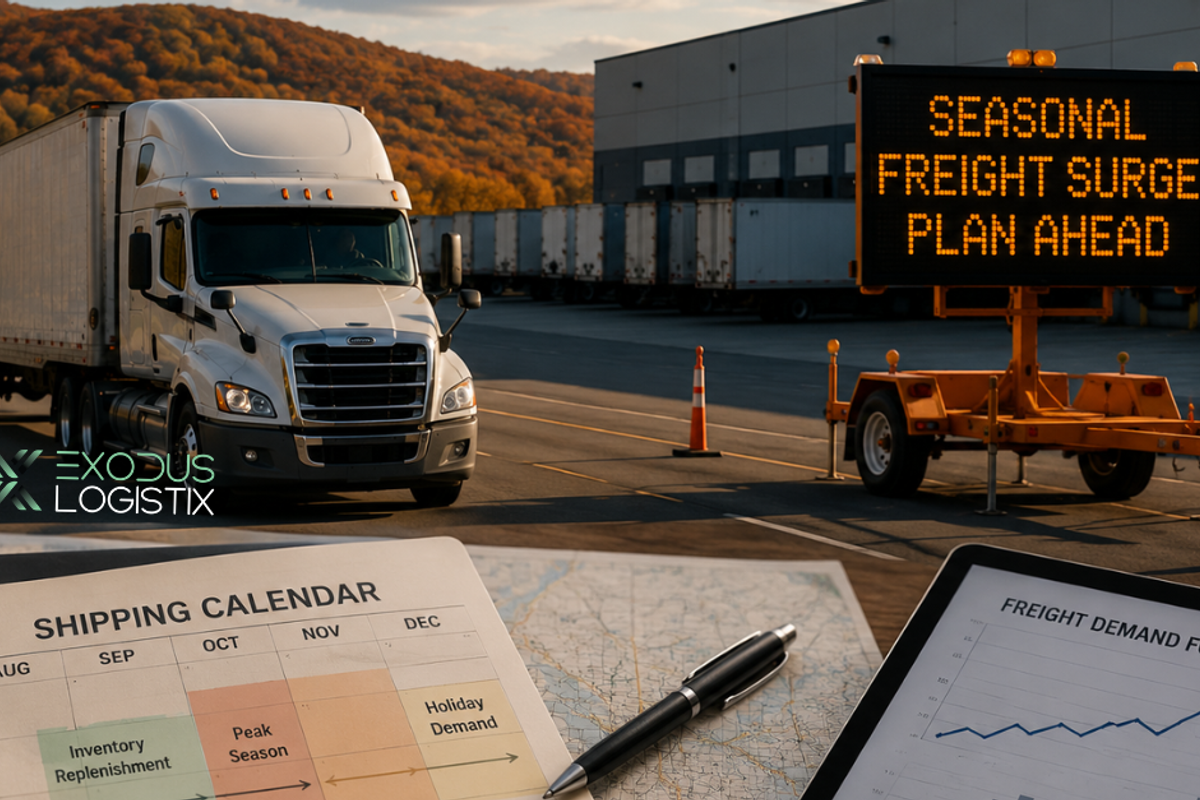
Seasonal freight surges occur when shipping demand increases during predictable periods throughout the year.
These surges can influence transportation capacity, equipment availability, scheduling flexibility, and shipment planning across multiple freight markets.
Businesses that understand seasonal shipping patterns are often better positioned to secure capacity, improve transportation coordination, and reduce disruption during periods of increased demand.
Why Seasonal Freight Surges Matter
Transportation demand rarely remains constant throughout the year.
Agricultural harvests, retail inventory cycles, manufacturing schedules, holiday demand, and industry-specific shipping patterns all contribute to periods of higher freight activity.
When more businesses compete for transportation resources at the same time, planning becomes increasingly important.
Organizations that anticipate these periods often experience fewer disruptions than those reacting after capacity becomes constrained.
Five Things Shippers Should Know About Seasonal Freight Surges
1. Capacity Tightens Before Most Businesses Expect
One of the most common misconceptions about seasonal freight markets is that capacity becomes constrained only after demand peaks.
In reality, transportation providers often begin adjusting equipment allocation and scheduling well before peak shipping periods arrive.
Businesses that wait until capacity becomes visibly tight may have fewer transportation options available.
2. Planning Creates More Flexibility
Seasonal freight surges reward preparation.
Businesses that forecast shipment volumes, communicate requirements early, and coordinate transportation plans in advance often have greater scheduling flexibility than organizations making last-minute shipping decisions.
Transportation planning becomes a competitive advantage during high-demand periods.
3. Different Industries Create Different Capacity Pressures
Not every seasonal freight surge looks the same.
Examples include:
- agricultural harvest seasons
- retail inventory replenishment
- manufacturing production increases
- construction material demand
- holiday shipping activity
Each creates different transportation requirements that influence capacity across various equipment types and freight markets.
4. Visibility Becomes More Valuable During Peak Periods
As transportation networks become busier, shipment visibility plays an increasingly important role.
Businesses benefit from understanding:
- shipment status
- estimated arrival timing
- transportation milestones
- potential delays
- operational updates
Visibility helps organizations respond more quickly when transportation conditions change.
5. Strong Logistics Partnerships Matter More During High-Demand Periods
Seasonal surges test transportation networks.
During these periods, communication, coordination, and execution become even more important.
Experienced logistics partners help businesses:
- plan capacity requirements
- coordinate transportation schedules
- maintain shipment visibility
- communicate proactively
- respond to changing transportation conditions
These capabilities help support more predictable freight movement when demand increases.
What This Means for Shippers
Seasonal freight surges are not unusual.
They are a normal part of freight transportation.
Businesses can strengthen transportation performance during peak periods by:
- forecasting freight volumes earlier
- communicating shipment requirements sooner
- maintaining scheduling flexibility
- improving shipment visibility
- coordinating closely with logistics partners
These practices help create a more reliable transportation strategy regardless of market conditions.
Seasonal Freight Surge vs. Normal Shipping Conditions
Factor
Normal Conditions
Seasonal Freight Surge
Capacity Availability
Generally stable
More competitive
Scheduling Flexibility
Greater flexibility
Reduced flexibility
Transportation Planning
Important
Critical
Shipment Visibility
Valuable
Essential
Communication Needs
Routine
Increased
Common Questions
What causes seasonal freight surges?
Seasonal freight surges are typically driven by predictable increases in shipping demand related to agriculture, retail, manufacturing, construction, or holiday inventory cycles.
Do seasonal freight surges affect every industry?
Not necessarily.
Different industries experience different shipping cycles, but transportation networks often feel the effects of increased demand across multiple sectors.
Should businesses book freight earlier during peak periods?
Earlier planning generally provides greater flexibility and helps transportation providers coordinate capacity more effectively.
Why is shipment visibility important during seasonal freight surges?
Visibility helps businesses monitor transportation progress and respond more effectively when conditions change.
Can logistics partners help businesses prepare for seasonal demand?
Yes.
Experienced logistics partners help coordinate planning, communication, capacity management, and transportation execution throughout changing market conditions.
Final Thoughts
Seasonal freight surges are a predictable part of transportation planning.
While periods of increased demand can create additional pressure on transportation networks, businesses that prepare early, maintain visibility, and communicate proactively are often better positioned to navigate changing conditions successfully.
Reliable freight transportation depends on more than available trucks. Planning, coordination, visibility, and execution all contribute to successful transportation outcomes.
For businesses focused on building a more resilient transportation strategy, understanding seasonal freight patterns is an important part of long-term supply chain performance.
To learn more about transportation solutions designed around visibility, planning, and execution, visit:
Tags

About the Author
exodus logistix
Exodus Logistix provides freight and logistics solutions built on disciplined planning, clear coordination, and operational accountability. With experience supporting complex shipments across multiple industries, the team focuses on reducing disruption, improving reliability, and helping businesses move freight with confidence.