
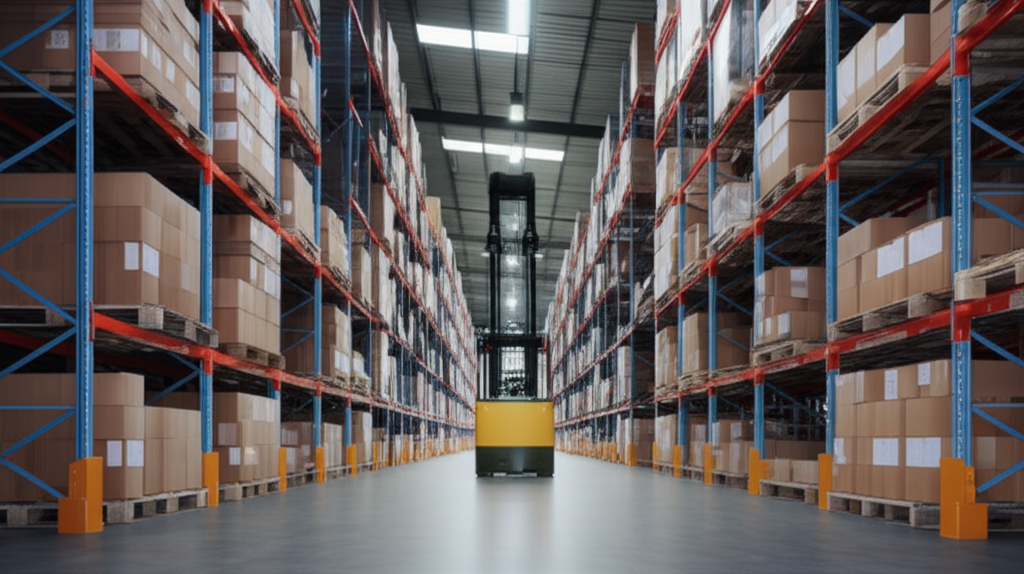
Move Excess Inventory Faster
Inventory that sits in a warehouse continues to consume space, labor, capital, and management attention. Inventory that reaches the right liquidation, wholesale, outlet, or recovery channel can begin producing value again.
Exodus Logistix helps retailers, manufacturers, distributors, sellers, and recovery firms move excess inventory quickly while supporting warehouse optimization and reverse logistics goals. We coordinate transportation from the point where inventory is identified through delivery to its approved next channel.
The result is a practical inventory recovery program built around transportation execution: fewer avoidable storage days, clearer pickup planning, and more control over returned, aging, seasonal, or non-core products.
What Is Liquidation Transportation?
Liquidation transportation is the movement of excess inventory, overstock, returned merchandise, retail liquidation goods, warehouse inventory, and recovered assets to secondary sales or recovery channels.
Destinations may include liquidation partners, wholesalers, auctions, bin stores, outlet networks, recommerce providers, redistribution centers, or approved disposition facilities. The work requires the right capacity, pickup sequencing, documentation, and destination coordination.
Common Inventory Challenges
Liquidation freight is usually tied to a larger operational problem. Transportation must relieve that pressure without creating another bottleneck downstream.
Excess Inventory Accumulation
Slow-moving and discontinued products consume working capital while teams decide where the inventory should go next. A transportation plan turns that decision into an executable recovery program.
High Storage Costs
Every additional day in storage adds handling, labor, insurance, and occupancy cost. Faster outbound movement creates room for active inventory and reduces avoidable carrying expense.
Warehouse Congestion
Overstock can block pick faces, staging areas, and dock doors needed for revenue-producing freight. Coordinated pickups help clear constrained facilities without disrupting normal operations.
Seasonal Overstock
Seasonal merchandise loses value quickly after its primary sales window. Flexible capacity helps move promotional and holiday inventory before the next receiving cycle begins.
Retail Returns
Returns often arrive from multiple locations with inconsistent timing and packaging. Consolidation and routing reduce fragmented transportation while directing goods to the proper recovery channel.
Inventory Depreciation
Aging products, packaging changes, and model updates can reduce secondary-market value. Prompt transportation gives recovery partners more time to resell, redistribute, refurbish, or responsibly dispose of goods.
How Exodus Supports Liquidation Programs
Our role is to translate a recovery objective into scheduled, trackable freight movements that fit facility constraints and destination requirements.
Retail Liquidation Transportation
Coordinate freight from stores, regional warehouses, and distribution centers to liquidators, wholesalers, auction facilities, bin stores, or secondary-market buyers.
Amazon Inventory Liquidation
Plan transportation for seller-owned FBA removals, returned inventory, excess units, and goods moving to recommerce, wholesale, or alternate fulfillment channels.
Warehouse Cleanouts
Schedule high-volume outbound moves for facility closures, lease transitions, consolidation projects, product-line changes, or urgent space-recovery initiatives.
Inventory Redistribution
Transfer viable products between warehouses, retail markets, outlet locations, fulfillment centers, or sales channels based on demand and recovery value.
Excess Inventory Recovery
Match truckload, shared truckload, LTL, or intermodal capacity to the volume, product profile, schedule, and handling requirements of the recovery program.
Asset Recovery Projects
Manage controlled pickup and transportation of fixtures, equipment, reusable materials, and other recovered assets that retain operational or resale value.
Amazon Liquidation Freight
Amazon sellers may need to remove FBA inventory because of returns, aged stock, storage limits, product changes, account strategy, or a decision to move goods into another sales channel. Those units still need a destination and a reliable transportation plan.
Exodus coordinates Amazon liquidation freight for seller-owned inventory moving from designated facilities to warehouses, wholesalers, liquidators, recommerce partners, or redistribution points. Planning can include appointment requirements, pallet counts, multiple destinations, and the mode best suited to the released volume.
Exodus Logistix is an independent transportation provider and is not affiliated with Amazon.
Retail Liquidation Logistics
Store closures, assortment changes, customer returns, seasonal merchandise, and overstock create freight outside the normal replenishment network. A retail liquidation transportation plan helps prevent these products from occupying active selling and distribution space.
We coordinate inventory from stores and distribution centers to approved buyers, outlet locations, auctions, donation partners, or other recovery channels. Consolidating pickup points and aligning delivery appointments can reduce fragmented cost while keeping the program moving against retail deadlines.
Warehouse Liquidation & Inventory Recovery
Warehouse liquidation freight can involve a few outbound loads or a coordinated facility-wide project. The plan must account for available labor, dock access, pallet condition, equipment, buyer schedules, shipment priorities, and firm completion dates.
Exodus works with warehouse operators and recovery teams to sequence inventory transfers, reduce storage pressure, and move products without blocking regular inbound and outbound activity. For distribution center support, we can coordinate recurring pickups, appointment-driven loads, or concentrated capacity for a time-sensitive cleanout.
Inventory recovery logistics should create measurable operational value. That may mean releasing reserve space, improving dock flow, completing a building handoff, reducing carrying costs, or moving goods before additional depreciation occurs.
Inventory Recovery Benefits
From Excess Inventory to Recovery Channel
A defined transportation process keeps facilities, carriers, buyers, and recovery partners aligned from the first inventory list through final delivery.
Inventory Identified
Confirm commodity, quantity, palletization, locations, condition, and destination requirements.
Transportation Planned
Select equipment, build pickup sequencing, account for appointments, and align the mode with urgency and value.
Inventory Collected
Coordinate carrier arrival, loading instructions, documentation, and communication across every origin.
Liquidation Channel
Deliver to the approved liquidator, wholesaler, auction, outlet, recovery facility, or redistribution center.
Revenue Recovery
Provide delivery confirmation so the inventory can enter its next sales, reuse, or disposition process quickly.
Transportation Solutions Available
Liquidation inventory varies in volume, urgency, packaging, and handling risk. We evaluate the full shipment profile before recommending a mode.
Full Truckload (FTL)
Dedicated trailer capacity for large liquidation events, full warehouse releases, or time-sensitive inventory transfers.
Shared Truckload
Reduced handling for partial loads that need more control than conventional hub-and-spoke LTL service.
Dry Van Transportation
Enclosed capacity for palletized consumer goods, packaged merchandise, retail products, and warehouse inventory.
Intermodal Transportation
Truck and rail planning for qualifying long-haul inventory transfers where timing and total cost support the mode.
Drop Trailer Programs
Trailer pools that give high-volume facilities more flexibility to load liquidation inventory around labor and dock schedules.
Reverse Logistics
Broader transportation support for returns, recalls, recovery, redistribution, recommerce, and controlled disposition.
West Coast Inventory Recovery Advantage
California and the West Coast contain dense networks of ports, fulfillment operations, retail distribution centers, import warehouses, manufacturers, and secondary-market buyers. Those networks create both recovery opportunity and transportation complexity.
Headquartered in Roseville, Exodus Logistix supports inventory recovery and liquidation transportation throughout California and nationwide. Our team understands Northern California freight markets, Central Valley distribution, Southern California warehouse corridors, port-connected inventory, and the appointment requirements common across large West Coast facilities.
That regional knowledge helps us plan practical pickup windows, identify suitable carrier capacity, and move inventory out of constrained facilities while reducing avoidable storage costs and operational delays.
Who We Support
Why Companies Choose Exodus
A liquidation transportation company should do more than place a truck. It should understand the recovery objective, facility constraints, and value of moving the inventory without delay.
Fast Transportation Execution
Inventory recovery loses momentum when capacity decisions stall. We move from shipment details to an executable transportation plan quickly.
Flexible Capacity
Support can scale from several pallets to coordinated multi-location truckload programs without forcing every project into one transportation mode.
Dedicated Logistics Coordination
One team manages scheduling, carrier communication, pickup milestones, issue resolution, and delivery confirmation across the program.
Strong Carrier Network
Carrier selection considers equipment, lane fit, reliability, operating authority, and the specific handling demands of the inventory.
West Coast Expertise
California market knowledge supports moves from ports, retail networks, fulfillment operations, and distribution centers throughout the West Coast.
Inventory Recovery Focus
The objective is not simply a completed load. It is timely movement that reduces carrying cost and helps inventory reach the right value-recovery channel.
Common Inventory Recovery Use Cases
Programs can be one-time events or recurring reverse-logistics flows built around inventory condition, facility capacity, and recovery economics.
Store Closures
Remove sellable merchandise, fixtures, supplies, and recoverable assets against firm lease and facility deadlines.
Excess Inventory Reduction
Move slow-selling or discontinued goods out of primary distribution space and into approved resale or recovery channels.
Seasonal Inventory Liquidation
Clear seasonal stock quickly so warehouse and retail capacity is available for the next merchandise cycle.
Warehouse Consolidation
Coordinate transfers, liquidation freight, and asset movement as multiple facilities are combined into a smaller network.
Amazon Inventory Removal
Move seller-owned returns and excess FBA inventory to a warehouse, wholesaler, liquidator, recommerce provider, or other designated location.
Retail Returns Recovery
Consolidate returned products and route them according to condition, resale potential, refurbishment needs, or disposition instructions.
Distribution Center Optimization
Clear staging areas and reserve storage by moving obsolete, damaged, returned, or non-core inventory out of active fulfillment space.
Inventory Recovery Resources
Explore related guidance for reverse logistics, warehouse flow, and liquidation freight planning.
Liquidation Transportation Frequently Asked Questions
Practical answers for planning excess inventory and liquidation freight.
What is liquidation transportation?
Liquidation transportation is the coordinated movement of excess inventory, overstock, returns, recovered assets, and warehouse liquidation freight to secondary sales channels, wholesalers, auctions, liquidators, redistribution centers, or approved disposition facilities.
How do businesses move excess inventory?
The process starts by identifying inventory volume, origin points, destinations, timing, equipment, and handling requirements. A logistics provider can then coordinate truckload, shared truckload, LTL, intermodal, or multi-location capacity and manage pickups through delivery.
What types of inventory can Exodus transport?
We coordinate transportation for palletized consumer goods, retail products, returned merchandise, seasonal overstock, discontinued products, seller-owned FBA removals, fixtures, equipment, and other recoverable inventory. Shipment acceptance depends on commodity, condition, packaging, and legal handling requirements.
Do you support Amazon liquidation freight?
Yes. We can coordinate transportation for seller-owned Amazon FBA removal inventory, returns, excess products, and goods moving to approved warehouses, liquidators, wholesalers, or recommerce channels. Exodus Logistix is an independent transportation provider and is not affiliated with Amazon.
Can Exodus help reduce warehouse storage costs?
Transportation is a key part of warehouse space recovery. By scheduling outbound inventory promptly and consolidating moves where practical, businesses can reduce the time liquidation goods occupy active storage and staging areas.
Do you provide nationwide liquidation transportation?
Yes. Exodus Logistix coordinates liquidation freight and inventory recovery transportation throughout the contiguous United States, with particular expertise in California and West Coast distribution markets.
How quickly can liquidation freight be scheduled?
Timing depends on lane, equipment, shipment volume, facility appointments, and commodity requirements. Once complete shipment details are available, our team works quickly to identify qualified capacity and establish a practical pickup plan.
Why choose Exodus for inventory recovery logistics?
Exodus combines practical transportation experience, responsive communication, flexible capacity, a vetted carrier network, West Coast market knowledge, and dedicated coordination focused on moving inventory into its next recovery channel efficiently.