
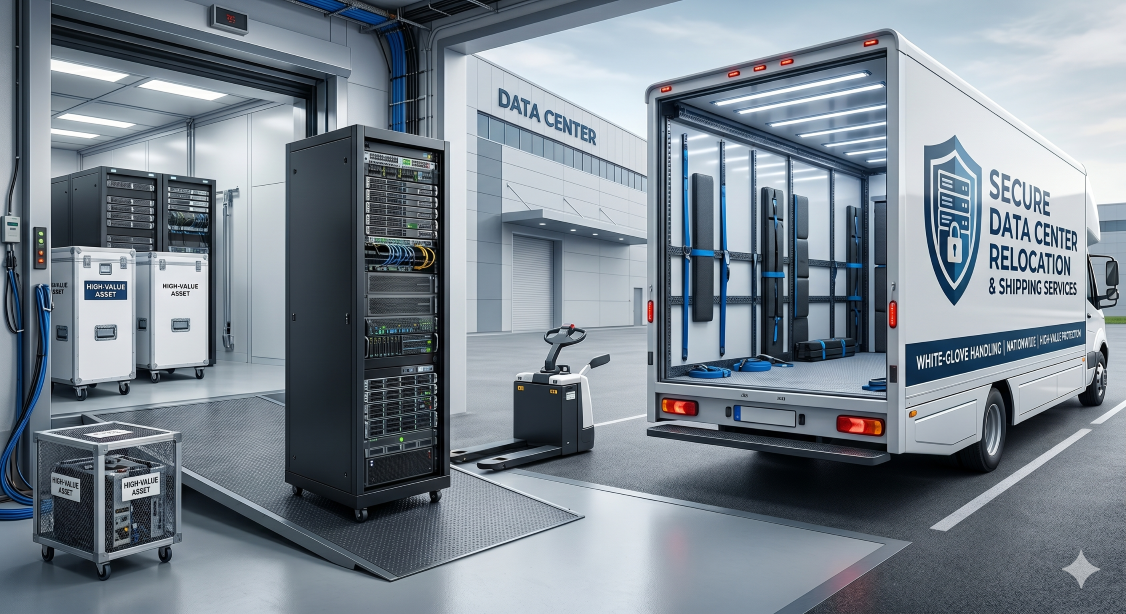
Equipment-specific planning
Reviewed for each shipment
Nationwide coverage
48 contiguous states
Specialized equipment
Matched to your freight
Explore Related Logistics Solutions
Coordinate connected equipment and project requirements through Exodus Logistix.
Data Center Transportation
Coordinated transportation for mission-critical data center infrastructure.
View serviceElectrical Equipment Transportation
Transportation for prefabricated power and electrical systems.
View serviceTransformer Transportation
Specialized logistics for power and distribution transformers.
View serviceSwitchgear Transportation
Dedicated transportation for electrical distribution systems.
View serviceUPS System Transportation
Careful handling for UPS, battery, and power protection equipment.
View serviceIndustrial Generator Transportation
Project transportation for generator modules and backup power.
View serviceChiller Transportation
Coordinated transportation for large cooling equipment and modules.
View serviceServer Rack Transportation
Planned delivery for server racks and data center equipment packages.
View serviceHeavy Haul Transportation
Equipment, route, permit, and escort coordination for heavy modules.
View serviceProject Logistics
Planning and coordination for multi-phase infrastructure programs.
View serviceModular Data Center Transportation & Project Logistics
Exodus Logistix provides specialized modular data center transportation for prefabricated data halls, power modules, cooling systems, battery rooms, generator modules, and other modular infrastructure nationwide.
Our team coordinates around the project—not just an individual module—by reviewing manufacturing schedules, module dimensions, weight, loading requirements, route conditions, permits, staging, crane appointments, and site readiness.
From factory-to-site movement through multi-phase delivery, we align transportation with construction and installation milestones so modular data center infrastructure arrives safely and when the project is ready for it.
- Prefabricated data halls, buildings, and modular infrastructure
- Electrical, mechanical, cooling, battery, and generator modules
- Specialized equipment, permits, routing, and escorts when required
- Staging, crane appointments, delivery sequencing, and site coordination
- Multi-phase project logistics and shipment visibility
What Is Modular Data Center Transportation?
Modular data center transportation is the specialized movement of prefabricated data halls, power modules, cooling systems, battery rooms, generator modules, and other factory-built infrastructure from manufacturing facilities to construction sites or staging locations.
The work includes transportation planning, trailer and carrier selection, route analysis, permits, escorts when required, site access coordination, staging, crane appointments, delivery sequencing, and project communication.
Transportation planning often begins before manufacturing is complete so route, equipment, permitting, staging, and delivery requirements can be incorporated into the project schedule.
- Factory-to-site transportation
- Specialized trailer and heavy haul planning
- Oversize and overweight permit coordination
- Route, clearance, and escort review
- Staging and crane appointment coordination
- Delivery sequencing around construction milestones
Infrastructure We Commonly Transport
Exodus coordinates modular data center freight across several infrastructure categories. Electrical power modules can connect with Electrical Equipment Transportation; mechanical modules can connect with Chiller Transportation; and generator modules can connect with Industrial Generator Transportation.
- Prefabricated Data Hall Modules — Factory-built data halls and modular rooms delivered as complete assemblies or coordinated module packages.
- Electrical Power Modules — Transformers, switchgear, UPS systems, battery cabinets, power distribution equipment, and prefabricated electrical rooms.
- Mechanical Modules — Chillers, cooling plants, air-handling systems, mechanical skids, and other prefabricated cooling infrastructure.
- BESS Modules — Battery energy storage systems, containerized storage, battery rooms, and related energy infrastructure.
- Generator Modules — Industrial and commercial generator packages, generator enclosures, and backup power modules.
- Containerized Data Centers — Portable or permanent data center modules designed for rapid deployment and phased expansion.
- Prefabricated Data Center Buildings & Modules — Modular electrical buildings, data halls, infrastructure buildings, and integrated factory-built systems.
When a modular deployment includes server equipment, the delivery plan can also connect with Server Rack Transportation so module delivery and equipment installation remain aligned.
Industries & Organizations We Support
- Hyperscale Cloud Providers — Modular campus deployments, expansion phases, and coordinated infrastructure deliveries.
- AI Infrastructure Projects — Transportation planning for data center capacity supporting high-density computing programs.
- Colocation Providers — Sequenced deliveries for new facilities, expansions, and infrastructure upgrades.
- Enterprise Data Centers — Project transportation for private data center construction and modernization.
- Telecommunications — Modular infrastructure for network, edge, and communications facilities.
- Government & Defense — Planned delivery of secure and rapidly deployable technology infrastructure.
- Healthcare — Modular technology infrastructure for expanding digital operations and critical facility needs.
Challenges We Solve in Modular Data Center Transportation
Modular data center shipments combine large, heavy, high-value infrastructure with construction-site constraints. The transportation plan must account for the complete route and delivery event, not only the origin and destination addresses.
- Oversized modules
- Heavy weights
- Multi-state permits
- Escort requirements
- Route restrictions
- Bridge and clearance limitations
- Utility clearance
- Site access
- Temporary construction entrances
- Crane scheduling
- Staging yards
- Delivery sequencing
- Weather conditions
- Tight installation windows
For loads that exceed standard legal limits, Exodus can coordinate the routing and equipment requirements associated with Heavy Haul Transportation as part of the broader project plan.
Transportation Equipment for Modular Data Centers
Every modular data center shipment is evaluated individually to determine the safest and most practical transportation method. Equipment selection is based on module dimensions, weight, lifting requirements, route restrictions, loading conditions, and project schedules.
- Flatbed Trailers — May suit standard prefabricated assemblies that remain within legal transportation dimensions and can be loaded from above or the side.
- Step Deck Trailers — May provide additional height clearance for taller modules while supporting practical loading conditions.
- RGN Trailers — May support heavy prefabricated structures and equipment requiring specialized loading or ground-level access.
- Double Drop Trailers — May provide additional deck clearance for exceptionally tall modules.
- Stretch Trailers — May accommodate oversized modular buildings that exceed standard trailer lengths when route and loading conditions allow.
- Multi-Axle Heavy Haul Equipment — May distribute exceptional weight across additional axles when specialized heavy haul planning is required.
Modular Data Center Project Logistics
Transportation is only one piece of a successful modular deployment. Exodus Logistix provides project logistics services that support transportation planning, construction schedules, installation sequencing, and site readiness.
Modular deployments often involve dozens or hundreds of coordinated deliveries. Exodus manages transportation around construction milestones, installation sequencing, and site readiness rather than treating every shipment as an isolated load.
- Transportation planning
- Carrier procurement
- Route analysis
- Permit coordination
- Shipment sequencing
- Construction scheduling
- Staging yard coordination
- Crane appointment coordination
- Delivery management
- Shipment visibility
- Project communication
For broader multi-load programs, our Project Logistics team can work alongside Heavy Haul Transportation and other specialized transportation services.
Multi-Phase Modular Data Center Deployments
A modular data center program may combine multiple factories, module types, destinations, construction phases, and installation teams. A coordinated logistics plan keeps deliveries aligned with site capacity and the next project milestone.
- Factory-to-site transportation
- Multiple modules
- Multiple origins
- Multiple destinations
- Delivery sequencing
- Staging
- Just-in-time delivery
- Construction milestones
- Installation sequencing
- Expansion phases
This work fits within coordinated Data Center Transportation and Project Logistics programs that connect equipment movement with the construction plan.
Modular Data Center Logistics for Hyperscale & AI Infrastructure
Hyperscale campuses and AI infrastructure projects often require modular construction, specialized transportation, and tightly sequenced deliveries. Exodus coordinates transportation with manufacturers, general contractors, EPC firms, project managers, and receiving teams.
- Hyperscale campuses
- AI data center construction
- Cloud infrastructure expansion
- Colocation expansion
- Large-scale modular deployments
- Multi-phase construction schedules
- Specialized heavy haul equipment and permits
- Communication between contractors and installation teams
When these projects include chillers, electrical systems, generators, or server equipment, the delivery plan can connect with Data Center Transportation and the relevant equipment-specific services.
Why Choose Exodus for Modular Data Center Transportation?
- Equipment-Specific Planning — Module dimensions, weight, handling method, loading conditions, and delivery requirements guide the transportation plan.
- Project-Based Logistics — Transportation is coordinated around construction and installation milestones rather than isolated loads.
- Specialized Carrier Network — Nationwide carrier sourcing for oversized and specialized modular infrastructure.
- Heavy Haul Coordination — Equipment, permits, routing, clearances, and escorts are reviewed when the loaded shipment requires them.
- Multi-Phase Delivery Management — Multiple modules and deliveries can be managed over long project timelines.
- Shipment Visibility — Ongoing communication and delivery updates help project teams plan the next installation activity.
Our role is to coordinate transportation around the module, project schedule, and receiving conditions using the capabilities the shipment actually requires.
How Modular Data Center Transportation Works
- 1
Share Module Details
Provide module type, dimensions, weight, origin, destination, quantity, and available photos or drawings.
- 2
Review Project Requirements
We review route conditions, transportation equipment, permits, site access, loading and unloading, crane needs, and delivery timing.
- 3
Build the Transportation Plan
We coordinate qualified carriers, specialized equipment, routing, permits, escorts when required, staging, and project communication.
- 4
Schedule Deliveries
Shipments are aligned with construction milestones, installation sequencing, site readiness, and available crane appointments.
- 5
Monitor the Project
We maintain shipment visibility, communicate updates, and adjust delivery coordination as project conditions change.
Request a Modular Data Center Transportation Quote
Modular transportation costs vary based on module dimensions, weight, origin, destination, route requirements, permits, trailer requirements, site access, and project scheduling. Our logistics team reviews these details to develop an appropriate transportation plan.
- Pickup location
- Delivery location
- Module description
- Weight
- Dimensions
- Photos or drawings, if available
- Pickup schedule
- Delivery timeline
- Loading and unloading requirements
- Project overview
- Number of modules
- Delivery sequence
- Site access information
- Crane or lift requirements
- Staging requirements
- Project phase
Frequently Asked Questions
What is modular data center transportation?
Modular data center transportation is the planned movement of prefabricated data halls, power modules, cooling systems, battery rooms, generator modules, and other factory-built infrastructure from a manufacturing facility to a staging location or construction site.
How are modular data center buildings transported?
Modules are evaluated by dimensions, weight, loading method, lifting requirements, route conditions, and delivery constraints. The plan may use a flatbed, step deck, RGN, double drop, stretch trailer, or multi-axle heavy haul equipment, with permits and escorts when required.
What types of modular data center infrastructure can you transport?
Exodus coordinates transportation for prefabricated data halls, electrical power modules, mechanical and cooling modules, BESS modules, generator modules, containerized data centers, modular electrical buildings, and related infrastructure packages.
Do modular data center modules require specialized trailers?
Some modules can move on standard flatbeds when they remain within legal dimensions and weight limits. Taller, longer, or heavier modules may require step decks, RGNs, double drops, stretch trailers, or multi-axle heavy haul equipment after shipment-specific review.
Do modular data center shipments require permits and escorts?
Oversized or overweight modules may require permits, route clearances, utility and bridge reviews, and escort vehicles. Requirements depend on the loaded dimensions, weight, route, and jurisdictions involved.
Can you coordinate transportation for multi-phase data center projects?
Yes. Exodus can coordinate multiple modules, origins, destinations, carriers, staging locations, delivery sequences, and construction milestones as one multi-phase project logistics program.
Can you coordinate crane and jobsite delivery requirements?
Yes. We can coordinate delivery appointments around site readiness, crane or lift requirements, temporary construction entrances, staging, installation sequencing, and communication with the receiving project team.
What information is needed for a modular data center transportation quote?
Provide pickup and delivery locations, module description, weight, dimensions, photos or drawings, schedule, loading and unloading requirements, number of modules, delivery sequence, site access information, crane or lift requirements, staging requirements, and project phase.