
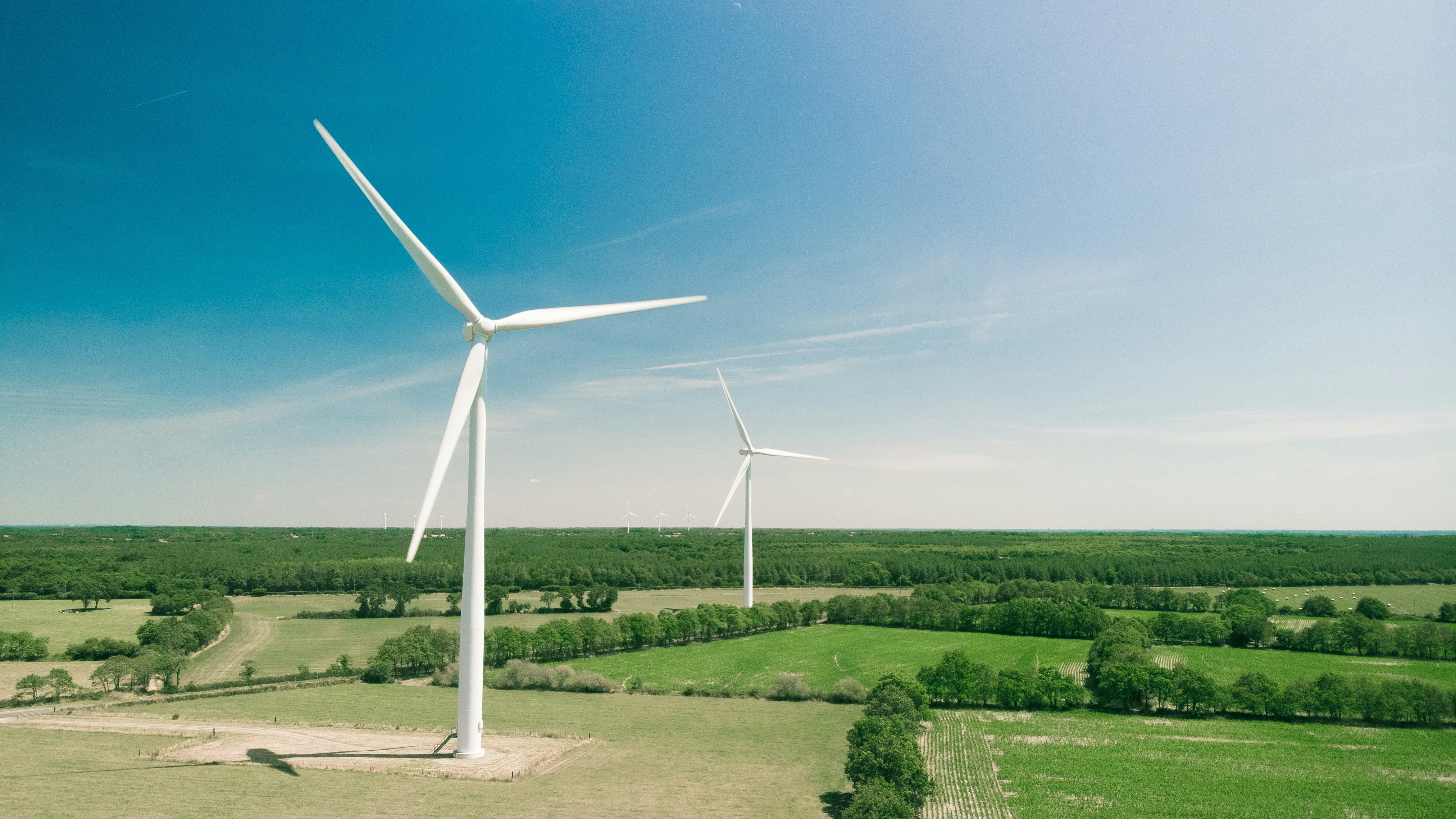
Reliable Logistics for the Energy Industry
Energy companies do not simply need freight moved. They need a logistics partner that understands critical delivery schedules, high-value equipment, infrastructure development, and the operational cost of delays. Exodus supports energy logistics with that execution standard in mind.
Modern energy supply chains rely on resilient transportation networks, real-time visibility, and dependable coordination across suppliers, ports, project sites, and industrial operations. That is why we align energy freight strategies with full truckload, intermodal transportation, and specialized project freight planning rather than treating energy freight as generic freight.
We support oil and gas operations, utilities, renewable energy developments, power generation sites, and industrial infrastructure work with responsive coordination across West Coast and nationwide freight networks. That includes adjacent execution needs tied to manufacturing logistics, oversized transportation, and complex site delivery schedules.
Energy Logistics Challenges
Energy supply chains have become more complex as projects stretch across ports, remote sites, utilities, and industrial partners. These are the pressure points that shape energy transportation decisions.
Critical Delivery Timelines
Energy projects and maintenance schedules cannot absorb preventable freight delays. Missed deliveries can affect outages, commissioning windows, and infrastructure timelines.
Remote Project Locations
Wind farms, solar developments, pipeline work, and utility infrastructure often sit far from major freight hubs, which raises planning and execution complexity.
Heavy & Oversized Equipment
Transformers, generators, turbines, compressors, and industrial machinery require experienced handling and the right transportation strategy.
Regulatory Compliance
Project teams need transportation partners who respect equipment requirements, routing constraints, site expectations, and documentation discipline.
Supply Chain Disruptions
Port delays, capacity shifts, weather events, and upstream supplier issues can threaten energy schedules unless freight plans stay flexible.
Project Cost Control
Energy logistics has to balance service urgency with budget discipline. The wrong mode choice or weak coordination can drive avoidable project costs.
How Exodus Supports Energy Companies
Coverage across the core freight flows that keep energy infrastructure projects, utility operations, and maintenance programs moving.
Oil & Gas Transportation
Freight support for equipment, industrial components, maintenance materials, and project cargo tied to field operations, refineries, and infrastructure work.
Renewable Energy Projects
Transportation planning for wind, solar, battery storage, and clean energy freight moving from ports, suppliers, and staging yards to project sites.
Utility Infrastructure Logistics
Support for substations, grid upgrades, utility equipment, and infrastructure expansion projects with dependable scheduling and communication.
Power Generation Equipment
Reliable movement of generation-related equipment and replacement components where outage schedules and uptime requirements matter.
Industrial Equipment Transportation
Transportation for heavy industrial machinery and project-support equipment used across energy, manufacturing, and infrastructure environments.
Emergency Freight Support
Responsive transportation coordination when breakdowns, outages, or project disruptions create urgent equipment and materials needs.
Transportation Services for the Energy Industry
Energy logistics rarely fits one static transportation model. We match service levels to cargo type, project timing, handling requirements, and infrastructure risk across field, plant, and utility environments.
When project timelines are tight, we prioritize the mode strategy that best protects delivery performance, whether that means dedicated capacity, inland rail coordination, or freight plans built around site-readiness and unloading windows.
Mode Strategy for Energy Freight
Oil & Gas Logistics
Oil and gas logistics depends on reliable transportation for industrial components, site equipment, maintenance support, and project freight tied to operating schedules. Delays can affect field activity, refinery support, and broader infrastructure timelines.
Exodus supports oil and gas transportation with freight planning that can include dry van transportation, dedicated truckload, and heavier project support aligned with oversized transportation. We also support maintenance shutdown logistics where timing, site readiness, and communication all matter.
Learn more about our manufacturing logisticsOil & Gas Support Areas
Renewable Energy Logistics
Renewable energy freight needs specialized planning
Renewable energy supply chains increasingly rely on specialized transportation, project coordination, and end-to-end visibility. Components may arrive through ports, move into staging yards, and then ship to distributed project sites that require disciplined sequencing.
We support renewable energy transportation with a mix of intermodal transportation, oversized freight coordination, and project cargo planning tied to wind, solar, and battery storage programs.
Explore oversized transportationHeavy Equipment & Project Cargo
Many energy projects depend on freight that does not fit standard handling assumptions. The transportation plan has to account for cargo profile, route demands, site conditions, and project timing.
Common Cargo Types
- Transformers
- Generators
- Turbines
- Compressors
- Industrial machinery
- Oversized equipment
Planning Priorities
- Mode selection based on cargo profile
- Coordination around site-readiness and unloading windows
- Visibility across multi-stop and multi-party project schedules
- Flexible inland routing from ports and staging facilities
Our oversized transportation services help project teams align heavy equipment freight with practical execution planning rather than generic capacity sourcing.
West Coast Energy Logistics Advantage
With established carrier relationships across California and major West Coast ports, Exodus helps move critical energy equipment efficiently from port terminals to project sites, distribution facilities, and industrial operations.
California Energy Corridor
Support for freight moving through California’s industrial and infrastructure corridors where utilities, construction, and clean energy projects intersect.
Port of Oakland
Coordination for imported energy equipment, drayage-linked freight, and inland distribution moving from Northern California port facilities.
Port of Long Beach
Critical support for heavy equipment imports, containerized components, and project freight entering through Southern California.
Inland Project Sites
Reliable movement from coastal gateways into inland project locations, utility sites, industrial operations, and construction zones.
Intermodal Connections
Rail and truck coordination when longer-haul energy freight needs cost-efficient inland movement with visibility across handoffs.
Mountain West Reach
West Coast-connected transportation into Arizona, Nevada, and surrounding markets where infrastructure and renewable energy investment continues to grow.
This regional depth matters for heavy equipment imports, container drayage, inland project freight, and infrastructure timelines. It also connects closely with our intermodal transportation, oversized transportation, and project-critical infrastructure freight.
Energy Sectors We Support
Transportation support aligned to the different operating realities across the energy sector.
Why Energy Companies Choose Exodus
Energy Logistics Use Cases
Common scenarios where reliable execution matters more than generic freight capacity.
Wind Farm Equipment Delivery
Coordinating freight for components, support materials, and project schedules tied to wind energy site development.
Solar Project Transportation
Managing transportation for solar equipment, staging deliveries, and project freight flows into active installation sites.
Power Plant Maintenance
Supporting outage and maintenance windows with time-sensitive replacement components and dependable transportation planning.
Pipeline Equipment Transportation
Moving industrial components and field-support freight for oil and gas infrastructure and related development work.
Utility Infrastructure Expansion
Transportation for substation equipment, grid upgrades, and utility construction programs with tight delivery coordination.
Emergency Equipment Deliveries
Responding to urgent project and maintenance disruptions when equipment availability directly affects operations.
Frequently Asked Questions
Common questions from energy project teams, utilities, manufacturers, and infrastructure planners.
What is energy logistics?
Energy logistics is the planning and transportation of equipment, materials, and project freight for oil and gas operations, renewable energy projects, utilities, power generation sites, and related infrastructure. It often involves time-sensitive delivery schedules, oversized cargo, compliance requirements, and project coordination across multiple locations.
What types of energy projects does Exodus support?
Exodus supports oil and gas transportation, renewable energy logistics, utility infrastructure projects, power generation equipment moves, battery storage deployments, industrial equipment freight, and emergency transportation for maintenance and outage support.
Do you transport heavy energy equipment?
Yes. We coordinate transportation for heavy energy equipment including transformers, generators, turbines, compressors, and other oversized or project cargo that requires route planning, specialized handling, and reliable execution.
Can you support renewable energy projects?
Yes. Exodus supports renewable energy transportation for wind, solar, battery storage, and utility infrastructure projects with mode selection, timeline coordination, and shipment visibility across project stages.
Do you provide logistics for oil and gas companies?
Yes. We support oil and gas logistics for equipment transportation, industrial components, pipeline-related freight, refinery support, and maintenance shutdown logistics where timing and coordination are critical.
Can you coordinate oversized freight for energy infrastructure?
Yes. We support oversized freight coordination for energy infrastructure projects through transportation planning, carrier matching, route considerations, and execution support tied to project schedules.
Do you provide nationwide energy transportation?
Yes. Exodus provides nationwide energy transportation with strong West Coast execution, helping project teams move freight between ports, distribution facilities, industrial operations, and project sites across North America.
Why choose Exodus for energy logistics?
Energy companies choose Exodus for responsive project coordination, strong West Coast logistics capabilities, flexible transportation solutions, real-time communication, and reliable execution for time-sensitive and complex freight.