
Trailer Pool vs. Drop Trailer Program: Key Differences
Quick Answer
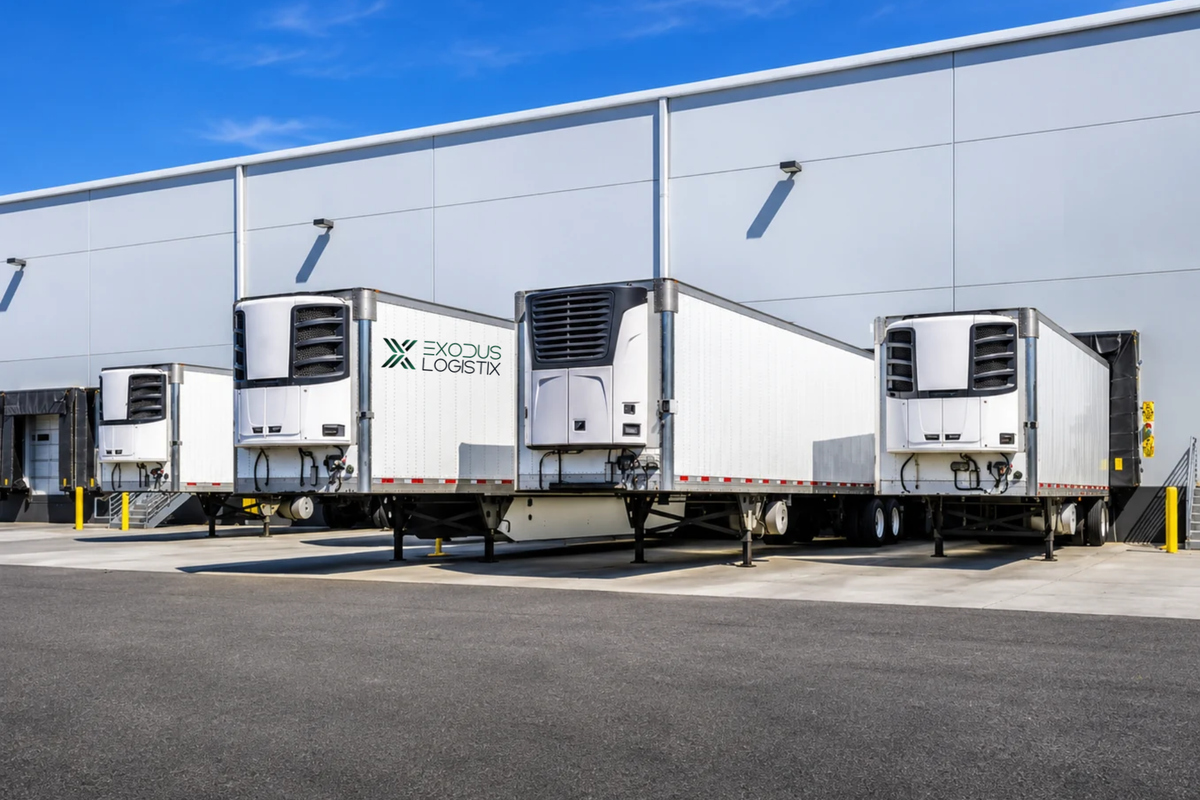
A trailer pool is a planned group of trailers positioned or allocated to support a shipper’s recurring loading and transportation needs. A drop trailer is an operating method: a trailer is left at a facility for loading or unloading and collected later. A trailer pool is the broader arrangement that plans trailer availability across repeat shipments, and drop-and-hook trucking can be one part of it.
Many shippers use the two terms interchangeably.
A trailer gets dropped. A trailer gets picked up. Same thing, right?
Not quite.
The challenge isn’t which term is correct.
The challenge is knowing whether the freight needs a single operating method or a managed arrangement behind it.
In many situations, a trailer pool is worth evaluating when freight repeats on established lanes, loading takes time, and the facility has space to stage trailers.
What Are Trailer Pool Services?
Trailer pool services plan trailer availability around recurring freight.
Instead of sourcing a trailer separately for each shipment, a trailer pool program establishes how empty trailers become available, when loaded trailers are ready, and how carriers collect them.
Your team may load or unload trailers within agreed facility windows while carrier pickups follow the transportation schedule. Trailer placement and freight movement are planned together.
At Exodus Logistix, we assess staged trailer capacity, loading schedules, and carrier pickups together, so the transportation plan reflects how your facility operates.
For the loading and pickup mechanics, see our Drop Trailer Programs.
Trailer Pool Vs. Drop Trailer Program: Side By Side
Planning question
Drop-trailer move
Trailer pool program
What is being arranged?
A trailer left for later loading or pickup
A group of trailers allocated across an ongoing freight cycle
What drives the plan?
The loading and pickup needs of a shipment
Recurring volume, facility fit, trailer turns, and carrier availability
What needs coordination?
Placement, loading readiness, and collection
Pool size, replenishment, pickup cadence, and changing demand
The two aren’t competing options. A pool is what supports the drop-trailer method across repeat shipments.
How Does A Trailer Pool Program Work?
A trailer pool program follows five steps:
- Review your freight pattern: shipment volume, frequency, commodities, destinations, recurring lanes, and expected peaks
- Assess facility readiness: yard capacity, dock access, loading hours, safe trailer movement, and site restrictions
- Size the pool and confirm equipment: the number and type of trailers needed, based on loading duration, pickup cadence, and trailer turnaround requirements
- Coordinate positioning and pickups: trailer placement, loading-ready notifications, pickup windows, and carrier capacity, agreed before deployment
- Review program execution: measures such as trailer turns and pickup compliance, with adjustments as shipping patterns change
When a pool is designed around the facility’s actual loading cycle, it may support:
- More loading flexibility within agreed dwell and pickup windows
- A potential reduction in driver waiting and detention exposure
- Better coordination between dock activity and carrier arrivals
- More predictable trailer availability on recurring lanes
- Earlier planning for production surges and seasonal demand
- A clearer view of trailer status where tracking is available
Results depend on execution, site conditions, and the terms agreed with carriers.
To see how performance is tracked once a program is running, see how to measure drop trailer program performance.
How Many Trailers Does A Pool Need?
There’s no universal trailer-to-load ratio.
Pool size depends on how many trailers are loading, waiting for pickup, in transit, or being repositioned during the shipping cycle.
The factors that matter most are:
- Loading time
- Collection frequency
- Volume variability
A facility loading through multiple shifts may need a different pool from a shipper with the same weekly volume and shorter loading windows.
Seasonal changes can be reviewed in advance, using expected volumes and dates to assess additional or reduced trailer needs, subject to equipment availability, carrier capacity, and agreed program terms.
Who Should Consider A Trailer Pool Program?
A trailer pool is worth evaluating when freight repeats on established lanes, loading takes time, and the facility has suitable staging space.
There’s no single minimum load count. Frequency, loading constraints, and trailer utilization have to be considered together.
Fit looks different by operation:
- Manufacturing operations may need trailers aligned with finished-goods release and shift changes
- Retail distribution and CPG shippers may need a repeatable outbound cycle tied to replenishment schedules and distribution center appointments
- Warehouses and 3PLs may need to coordinate several customers or outbound lanes within the same yard
- Food and beverage shipments need a separate check of equipment suitability, cleanliness, handling, and any temperature requirements
The objective isn’t building the largest pool.
The objective is building the one the facility and the freight can actually support.
The Best Trailer Pools Are Planned Before The First Trailer Is Placed
An empty trailer is there when the team is ready.
The loaded trailer is collected in its window.
Nobody sees the sizing, positioning, and pickup coordination behind it.
The most effective pools are designed around the facility’s actual loading cycle.
Success isn’t always measured by how many trailers are in the yard.
Often, it’s measured by how rarely anyone has to wait on one.
Dedicated Trailer Pools And 53-Foot Dry Van Freight
A dedicated trailer pool can be evaluated for recurring 53-foot dry van freight when the cargo, dock configuration, and lane requirements are suitable.
Planning considers trailer specifications, loading access, freight weight, trailer turn time, and the carrier’s equipment arrangements.
For repeat lanes, we assess the trailer cycle alongside full truckload capacity, including where the next empty trailer comes from and how it fits the next planned load.
To evaluate a pool, it helps to share:
- Shipping locations
- Outbound destinations and lanes
- Approximate weekly volume and frequency
- Freight type and equipment requirements
- Loading hours and preferred pickup schedule
- Yard space and site restrictions
Trailer allocation and pickup arrangements are confirmed after reviewing your facility, lanes, and equipment availability. A feasible arrangement at one site doesn’t establish availability at another, so placement, timing, and equipment are reviewed for each proposed program.
Why Businesses Work With Exodus Logistix
A trailer pool needs a transportation plan behind it.
At Exodus Logistix, trailer pool logistics bring the facility discussion, trailer requirements, and carrier coordination into one assessment, so trailer placement supports the freight you actually need to move.
We provide:
- Freight planning based on recurring volume and actual destinations
- Trailer allocation considered alongside carrier pickup capacity
- Agreed loading-ready updates, pickup windows, and communication responsibilities
- Trailer pool management reviews that account for changing lanes, loading times, and demand
Our planning also connects to LTL and partial truckload options for freight that fits them. For Southern California facilities, see Los Angeles drop trailer programs.
Our objective is simple:
Help high-volume shippers plan trailer availability around how their facility actually loads and ships.
Frequently Asked Questions
What is a trailer pool?
A trailer pool is a planned group of trailers positioned or allocated to support a shipper’s recurring loading and transportation needs. It coordinates availability, loading windows, pickups, and replenishment instead of arranging each trailer independently.
What is the difference between a trailer pool and a drop trailer program?
Dropping a trailer is the operating method of leaving it for later loading or collection. A trailer pool is the capacity arrangement that manages several trailers across repeat shipments. A drop trailer program may use a pool when the freight pattern supports it.
How many trailers does a shipper need in a trailer pool?
Pool size depends on how many trailers are loading, awaiting pickup, in transit, or being repositioned during the shipping cycle. Loading time, collection frequency, and volume variability matter more than a fixed trailer-to-load formula.
Can a trailer pool support recurring 53-foot dry van freight?
It can be evaluated for suitable dry van shipments. Trailer specifications, cargo requirements, facility access, and equipment availability must be confirmed for the proposed lanes before capacity is agreed.
Final Thoughts
The question is not whether to call it a drop trailer or a trailer pool.
The question is whether the freight needs a managed arrangement behind the method.
As volume repeats, loading takes time, and yard space becomes part of the plan, trailer decisions become less about a single trailer and more about the cycle around it.
Trailer pools exist because recurring freight needs trailers planned across the cycle, not arranged one shipment at a time.
At Exodus Logistix, we believe the best trailer programs begin by understanding how the facility actually loads and ships, because when the pool fits the operation, more predictable trailer availability tends to follow.
Need Help Evaluating A Trailer Pool?
Share your shipping locations, approximate weekly volume, freight type, loading schedule, and yard requirements. Exodus Logistix will review your recurring lanes and assess the trailer capacity and pickup structure your operation needs.
Learn more:
Tags

About the Author
exodus logistix
Exodus Logistix provides freight and logistics solutions built on disciplined planning, clear coordination, and operational accountability. With experience supporting complex shipments across multiple industries, the team focuses on reducing disruption, improving reliability, and helping businesses move freight with confidence.