
Reverse Logistics in Supply Chain: Structuring Returns, Recovery, and Continuous Flow
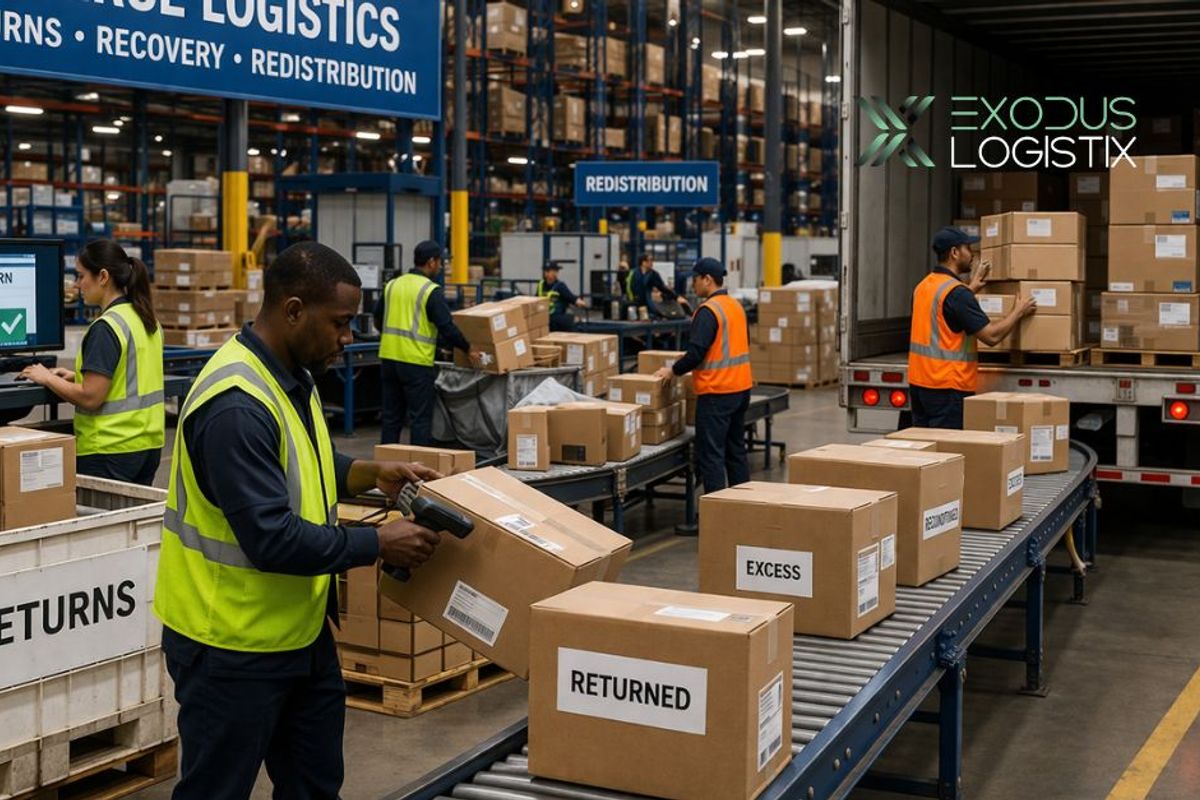
Reverse logistics is no longer a secondary function. It is a critical part of how modern supply chains operate.
Products don’t stop moving after delivery. They return. They shift. They get redistributed.
Reverse logistics ensures that this movement is structured — not disruptive.
When built correctly, reverse logistics supports inventory balance, operational efficiency, and continuous supply chain flow.
What Is Reverse Logistics?
Reverse logistics refers to the process of moving goods from their final destination back through the supply chain for return, redistribution, or recovery.
This includes:
- customer returns
- excess inventory movement
- product redistribution
- recovery and re-entry into inventory
Instead of allowing goods to remain idle, reverse logistics ensures they continue moving through the system.
Why Reverse Logistics Matters in the Supply Chain
In today’s supply chain, reverse logistics plays a direct role in performance.
Demand shifts across locations. E-commerce increases return volumes. Inventory becomes unevenly distributed.
Without structured reverse logistics:
- products remain in low-demand locations
- warehouses become congested
- inventory availability declines
- operational costs increase
With structured reverse logistics, supply chains remain balanced and efficient.
The Reverse Logistics Process Explained
Reverse logistics is not a single action. It is a coordinated process that supports continuous movement.
Returns Management
Products are collected, processed, and routed efficiently back into the system.
Inventory Reallocation
Goods are moved from low-demand to high-demand locations.
Excess Inventory Handling
Slow-moving or obsolete stock is redirected to secondary channels.
Recovery and Reintegration
Sellable products are returned to active inventory.
Each step ensures that inventory does not remain stagnant.
Common Reverse Logistics Challenges
When reverse logistics is not structured, issues develop across operations.
These include:
- delayed return processing
- lack of coordination between facilities and transportation
- inventory sitting idle in the wrong location
- warehouse congestion
- disconnected forward and reverse flows
These challenges reduce efficiency and impact overall supply chain performance.
The Role of Transportation in Reverse Logistics
Transportation is what enables reverse logistics execution.
It connects every stage — from pickup to redistribution.
Without coordinated transportation:
- returns accumulate
- inventory remains stagnant
- facilities lose capacity
With structured transportation:
- reverse freight moves efficiently
- inventory re-enters circulation faster
- operations remain balanced
Transportation ensures that reverse logistics functions as part of the overall system.
Benefits of Reverse Logistics for Supply Chain Performance
When reverse logistics is structured correctly, businesses gain measurable advantages:
Improved Inventory Availability
Products are positioned where demand exists.
Faster Inventory Movement
Returns and excess goods re-enter circulation quickly.
Reduced Warehouse Congestion
Idle inventory is removed from active storage.
Lower Operational Costs
Efficient routing and consolidation reduce expenses.
Stronger Supply Chain Efficiency
Forward and reverse flows operate as one system.
Reverse Logistics as a Continuous Flow System
Effective reverse logistics is not reactive. It is designed as a continuous flow.
This includes:
- coordinated returns processing
- integration with transportation planning
- alignment with warehouse operations
- ongoing inventory rebalancing
When reverse logistics is structured this way, it prevents disruption instead of responding to it.
Supporting Multi-Location Supply Chains
For businesses operating across multiple warehouses and distribution centers, reverse logistics must scale.
This requires:
- visibility across inventory movement
- coordination between facilities
- alignment with transportation schedules
- integration into overall supply chain planning
Without structure, reverse logistics becomes fragmented. With structure, it supports consistency across the network.
Connecting Forward and Reverse Logistics
The most efficient supply chains connect forward and reverse movement.
Reverse logistics ensures that:
- returns do not disrupt operations
- excess inventory does not slow performance
- products continue moving across the network
It keeps the system aligned from start to finish.
Why Reverse Logistics Is Critical for Modern Operations
Reverse logistics is no longer optional.
It is essential for:
- managing returns at scale
- maintaining inventory balance
- improving operational efficiency
- supporting consistent supply chain performance
As supply chains become more complex, reverse logistics becomes more important.
Keeping Inventory Moving Across the Supply Chain
Logistics does not end at delivery. Movement continues in both directions.
Reverse logistics ensures that nothing remains idle, and every product continues through the system.
At Exodus Logistix, reverse logistics solutions are designed to support returns, excess inventory movement, and continuous supply chain flow — ensuring efficiency across every stage of the operation.
Learn more about structured reverse logistics solutions:
Tags

About the Author
exodus logistix
Exodus Logistix provides freight and logistics solutions built on disciplined planning, clear coordination, and operational accountability. With experience supporting complex shipments across multiple industries, the team focuses on reducing disruption, improving reliability, and helping businesses move freight with confidence.