
Drop Trailer Programs as a System: Building Consistent Outbound Freight Flow at Scale
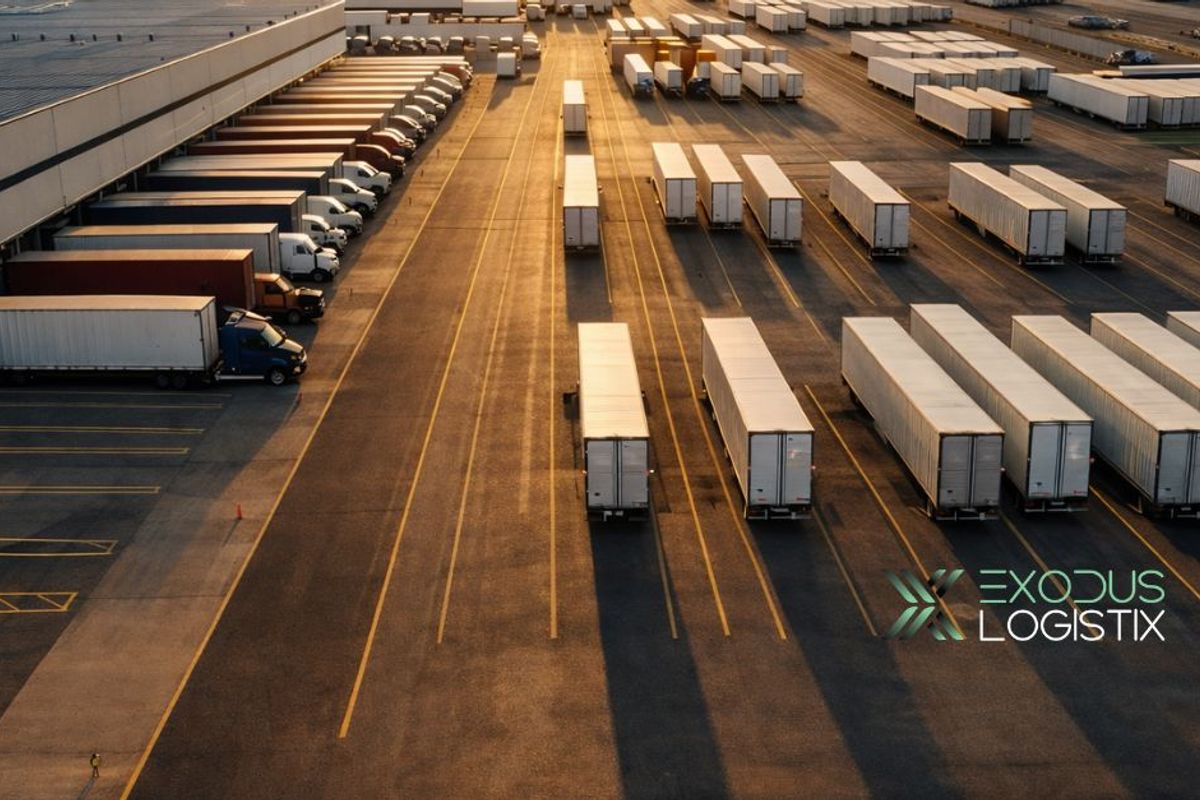
Drop trailer programs are transforming how high-volume logistics operations manage freight movement.
Instead of relying on live loading and real-time coordination, businesses are shifting toward structured systems that improve efficiency, reduce delays, and create consistent outbound flow.
By using drop trailer programs, companies can align warehouse operations with transportation schedules — ensuring that freight moves without disruption.
What Are Drop Trailer Programs?
Drop trailer programs are a logistics solution where trailers are dropped at a facility in advance, allowing freight to be loaded independently of driver arrival times.
This approach provides:
- dedicated trailer capacity
- reduced loading pressure on warehouse teams
- improved coordination between operations and transportation
Instead of waiting for trucks to arrive, facilities operate on their own schedule — creating a more controlled and efficient workflow.
How Drop Trailer Programs Improve Freight Flow
One of the biggest advantages of drop trailer programs is their ability to create continuous freight flow.
Traditional live loading creates bottlenecks when:
- drivers arrive before freight is ready
- docks are occupied
- schedules become misaligned
With drop trailer logistics:
- trailers are pre-positioned
- loading happens when capacity allows
- pickups occur on structured schedules
This removes friction and ensures that freight moves consistently.
Reducing Delays and Operational Bottlenecks
Delays in logistics are often caused by timing mismatches between warehouse operations and transportation.
Drop trailer programs solve this by separating these processes.
Benefits include:
- reduced driver wait times
- fewer detention charges
- improved dock efficiency
- smoother scheduling across operations
By eliminating the need for real-time coordination, businesses can operate more predictably.
Dedicated Trailer Capacity and Operational Control
A key advantage of drop trailer programs is dedicated trailer capacity.
This means:
- trailers are available when needed
- freight can be staged in advance
- operations are not dependent on truck arrival timing
This level of control allows businesses to better manage:
- outbound freight volume
- warehouse capacity
- transportation planning
Dedicated capacity creates a more stable and scalable logistics system.
Drop Trailer Programs vs. Live Loading
Understanding the difference between drop trailer programs and live loading is critical.
Drop Trailer Programs:
- trailers are staged in advance
- flexible loading schedules
- reduced wait times
- consistent outbound flow
Live Loading:
- dependent on driver arrival
- time-sensitive loading
- higher risk of delays
- limited flexibility
For high-volume operations, drop trailer programs offer a more efficient and scalable solution.
The Role of Transportation in Drop Trailer Logistics
Even with pre-positioned trailers, transportation coordination remains essential.
Effective drop trailer programs ensure:
- trailers are placed based on demand
- pickup schedules align with loading completion
- routes are optimized for efficiency
This coordination transforms trailers from static equipment into active components of freight movement.
When to Use Drop Trailer Programs
Drop trailer programs are most effective for businesses that:
- manage high shipment volumes
- operate across multiple locations
- experience dock congestion
- require predictable outbound schedules
In these environments, structured trailer staging improves both efficiency and performance.
Scaling Logistics Operations with Drop Trailer Programs
As logistics operations grow, complexity increases.
More shipments and coordination points often lead to inefficiencies.
Drop trailer programs support scalability by:
- maintaining consistent freight flow
- reducing operational bottlenecks
- aligning warehouse and transportation processes
This allows businesses to grow without compromising performance.
Conclusion: Structuring Freight Movement for Consistency
Logistics performance is not just about moving freight — it’s about how movement is structured.
Drop trailer programs provide the foundation for:
- predictable scheduling
- efficient warehouse operations
- consistent transportation execution
By implementing structured drop trailer logistics, businesses can reduce delays, improve efficiency, and maintain control across their supply chain.
Learn more about how structured drop trailer programs improve freight flow and operational efficiency:
Tags

About the Author
exodus logistix
Exodus Logistix provides freight and logistics solutions built on disciplined planning, clear coordination, and operational accountability. With experience supporting complex shipments across multiple industries, the team focuses on reducing disruption, improving reliability, and helping businesses move freight with confidence.