
What Is a Superload? How to Ship Freight That Exceeds Standard aOversized Limits
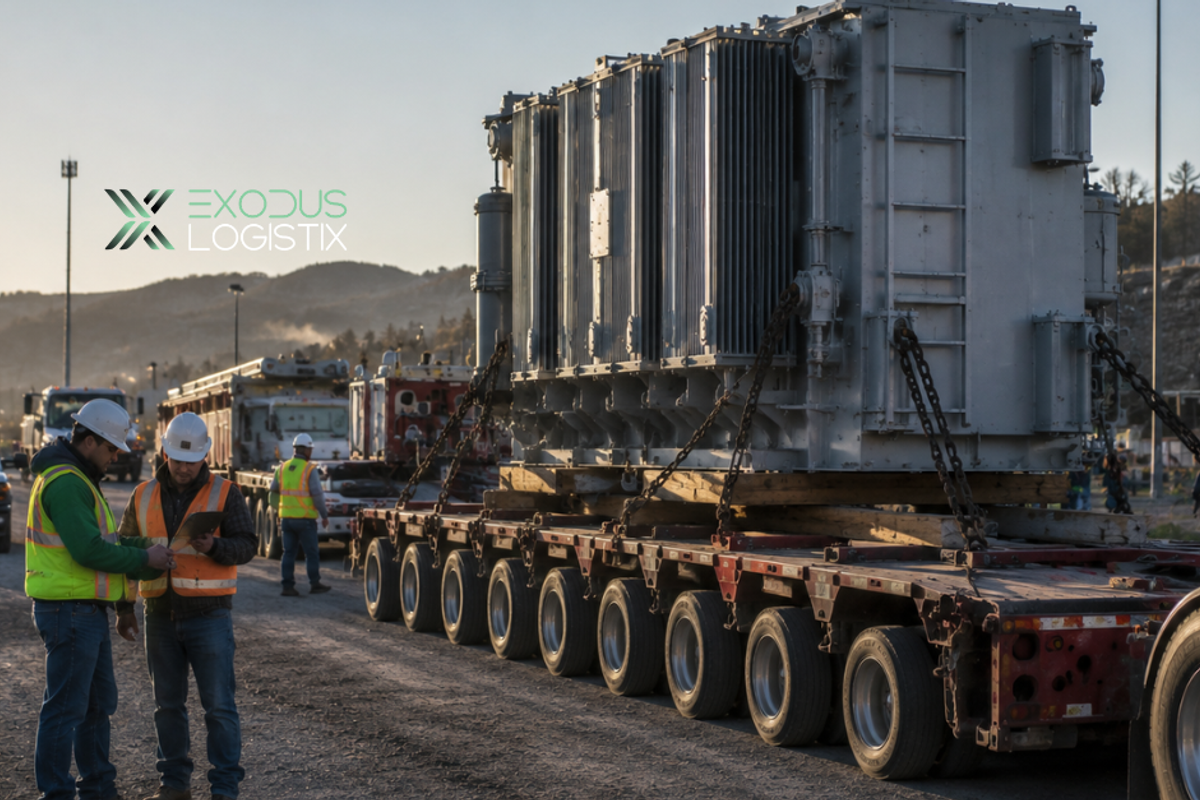
Moving oversized freight requires more than transportation.
It requires planning, permitting, route analysis, and coordination across multiple stakeholders.
While many oversized shipments can move using standard oversize permits, some loads exceed thresholds that require a higher level of review and transportation planning. These shipments are commonly referred to as superloads.
Understanding what qualifies as a superload and how transportation requirements change can help businesses avoid delays, permitting issues, and costly disruptions.
What Is a Superload Freight Shipment?
A superload is an exceptionally large or heavy shipment that exceeds standard oversized freight limits established by state transportation agencies.
While exact thresholds vary by state, superloads typically exceed dimensions or weights that can no longer be approved through routine oversize permitting processes.
A shipment may be classified as a superload based on:
- overall weight
- width
- height
- length
- axle configuration
- route impact
Because these shipments place greater demands on transportation infrastructure, they often require extensive review before movement can be approved.
Oversized Load vs. Superload: What Is the Difference?
Not every oversized shipment is considered a superload.
Many oversized loads can move using standard permits and established transportation procedures.
Examples of typical oversized freight may include:
- construction equipment
- agricultural machinery
- prefabricated structures
- industrial equipment
Superloads exceed those standard thresholds and typically require additional engineering review, route analysis, and transportation coordination.
The larger and heavier the shipment becomes, the more complex the planning process becomes.
Why Superloads Require Special Permitting
Standard oversize permits are often issued through established state permitting systems.
Superloads typically require a more detailed approval process.
Transportation agencies may evaluate:
- bridge capacities
- roadway restrictions
- utility clearances
- construction zones
- traffic impacts
- turning radiuses
- route feasibility
In some cases, transportation authorities may require route surveys, engineering studies, or infrastructure assessments before approval is granted.
This review process helps ensure that the shipment can move safely without damaging public infrastructure or disrupting traffic flow.
Common Examples of Superloads
Superloads are most commonly associated with large-scale industrial and infrastructure projects.
Examples include:
Power Generation Equipment
Large transformers, turbines, and generator components often exceed standard oversized dimensions and weights.
Energy Industry Components
Wind turbine sections, nacelles, and specialized oil and gas equipment frequently require superload transportation planning.
Industrial Manufacturing Equipment
Heavy production machinery, processing equipment, and plant infrastructure components may qualify as superloads depending on size and weight.
Infrastructure Projects
Bridge components, large structural sections, and transportation infrastructure materials often require specialized transportation coordination.
Large Modular Structures
Certain prefabricated buildings, modules, and industrial assemblies may exceed standard oversize transportation limits.
Key Planning Considerations for Superload Transportation
Successful superload transportation begins long before the shipment moves.
Route Analysis
Potential routes must be evaluated for infrastructure limitations, roadway restrictions, and clearance requirements.
Permit Coordination
Permit approval timelines are often longer than standard oversize loads and should be incorporated into project planning.
Escort Requirements
Many superloads require pilot vehicles, law enforcement escorts, or traffic control coordination.
Utility Coordination
Temporary adjustments to utility lines, traffic signals, or other infrastructure may be necessary along the route.
Scheduling and Communication
Because multiple stakeholders are involved, transportation schedules must be coordinated carefully to avoid delays.
Why Early Planning Matters
Superloads are among the most complex freight movements in transportation.
Delays often occur when permitting, route reviews, or infrastructure considerations are addressed too late in the planning process.
Early coordination allows project teams to:
- identify route constraints
- secure required permits
- coordinate escorts
- manage stakeholder communication
- maintain project schedules
When transportation planning begins early, businesses can reduce risk and improve execution.
Supporting Complex Freight Projects
Superload transportation requires more than moving freight from one location to another.
It requires structured planning, route coordination, permitting expertise, and ongoing communication throughout the project.
At Exodus Logistix, transportation solutions are built around execution, visibility, and operational coordination—helping businesses manage complex freight movements with greater confidence and control.
Final Thoughts
Superloads represent a unique category of oversized freight that exceeds standard transportation limits.
Because these shipments often involve specialized permitting, route analysis, and infrastructure coordination, successful execution depends on detailed planning from the beginning.
Understanding what qualifies as a superload and how transportation requirements differ can help businesses prepare for complex freight projects while minimizing risk and operational disruption.
To learn more about transportation solutions for specialized and oversized freight, visit:
Tags

About the Author
exodus logistix
Exodus Logistix provides freight and logistics solutions built on disciplined planning, clear coordination, and operational accountability. With experience supporting complex shipments across multiple industries, the team focuses on reducing disruption, improving reliability, and helping businesses move freight with confidence.