
What Is a Freight Broker and What Do They Actually Do?
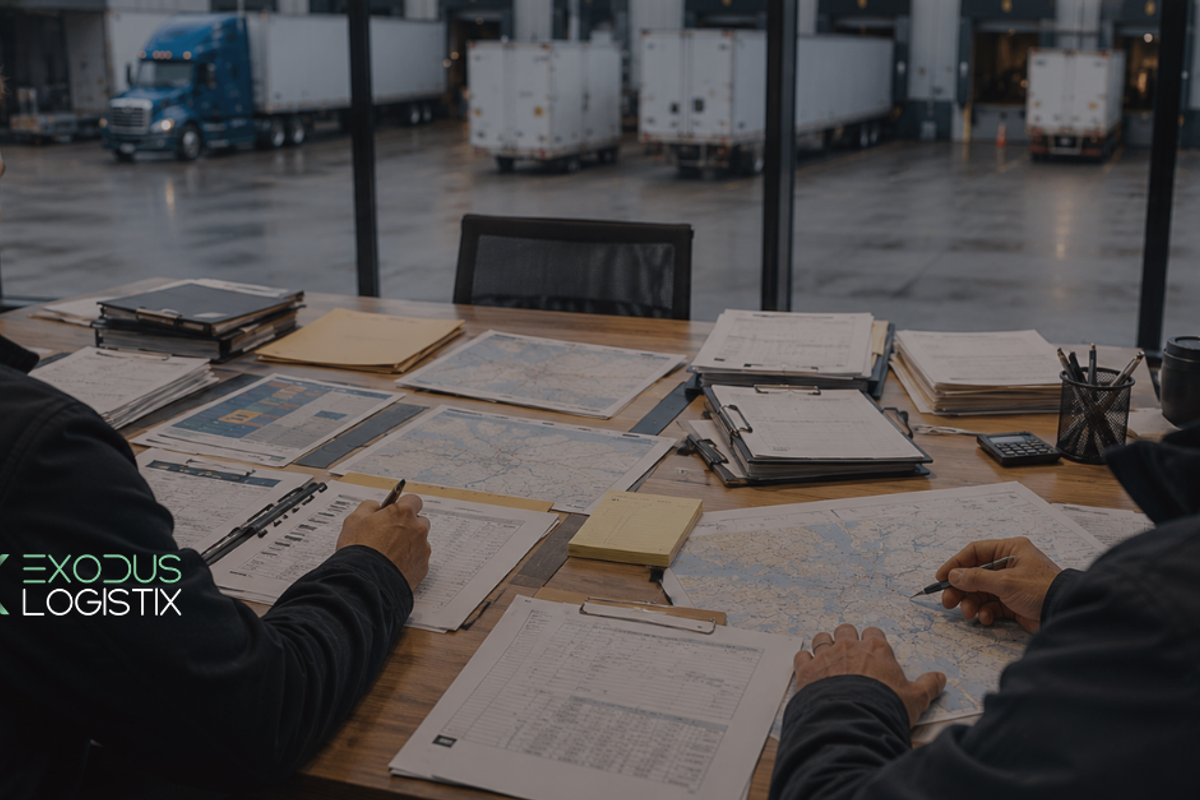
What Is a Freight Broker and What Do They Actually Do?
Quick Answer
A freight broker is a transportation professional who connects shippers with qualified carriers to move freight efficiently and reliably.
Freight brokers coordinate transportation, secure capacity, manage communication, monitor shipments, and help businesses navigate the complexities of modern logistics.
Rather than operating as the carrier, a freight broker serves as the link between businesses that need freight moved and the transportation providers that move it.
Why Do Companies Use Freight Brokers?
Many businesses do not have the time, resources, or transportation network needed to manage freight internally.
Finding available trucks is only one part of the process.
Businesses must also manage:
- carrier sourcing
- rate negotiations
- shipment tracking
- appointment scheduling
- exception management
- communication between multiple parties
A freight broker helps coordinate these moving parts while allowing businesses to focus on their core operations.
For many shippers, a freight broker becomes an extension of their transportation department.
What Does a Freight Broker Actually Do?
Many people assume freight brokers simply find trucks.
In reality, transportation coordination involves much more.
A freight broker helps manage the entire shipment lifecycle from pickup through delivery.
Capacity Procurement
The first responsibility is securing transportation capacity.
Freight brokers maintain relationships with carrier networks across multiple equipment types, including:
- Full Truckload (FTL)
- Less Than Truckload (LTL)
- Refrigerated Freight
- Flatbed Transportation
- Intermodal Freight
- Specialized and Oversized Loads
Access to a broad carrier network allows brokers to identify transportation solutions that align with shipment requirements.
Carrier Qualification
Not every carrier is suitable for every shipment.
Freight brokers evaluate carriers based on:
- operating authority
- insurance requirements
- safety records
- equipment availability
- service history
This helps reduce transportation risk and improve shipment reliability.
Shipment Coordination
Once capacity is secured, transportation planning begins.
This may include:
- pickup scheduling
- appointment coordination
- documentation management
- routing support
- customer communication
Successful transportation depends on coordination long before the truck arrives.
Freight Visibility
One of the most important responsibilities of a freight broker is maintaining shipment visibility.
Visibility may include:
- shipment tracking
- status updates
- estimated arrival monitoring
- proactive communication
- delay notifications
Strong visibility helps businesses make informed operational decisions throughout the transportation process.
Exception Management
Transportation does not always go according to plan.
Weather conditions, traffic disruptions, equipment issues, and facility delays can impact shipments.
When issues arise, freight brokers help coordinate solutions and communicate updates to stakeholders.
This level of oversight can help reduce disruption and improve transportation outcomes.
How Does the Freight Brokerage Process Work?
The freight brokerage process typically follows several stages.
Step 1: Shipment Information Is Collected
The shipper provides transportation details, including:
- pickup location
- delivery location
- freight dimensions
- shipment weight
- equipment requirements
- delivery deadlines
This information helps determine the appropriate transportation solution.
Step 2: Capacity Is Secured
The broker identifies qualified carriers capable of handling the shipment.
Carrier selection is based on availability, service requirements, transit expectations, and shipment complexity.
Step 3: Transportation Is Coordinated
Pickup appointments are confirmed and transportation plans are finalized.
Communication remains active between the shipper, carrier, and broker.
Step 4: Shipment Monitoring Begins
The freight broker tracks shipment progress throughout transit.
Updates are provided as needed to maintain visibility and operational awareness.
Step 5: Delivery Is Completed
Once freight is delivered, documentation is finalized and shipment records are completed.
The process concludes only after delivery confirmation has been received.
Freight Broker vs Freight Carrier
A common source of confusion is the difference between a freight broker and a freight carrier.
Freight Carrier
A carrier owns or operates trucks and physically transports freight.
Their primary responsibility is moving cargo from origin to destination.
Freight Broker
A broker coordinates transportation and manages the logistics process.
They leverage transportation networks, carrier relationships, communication systems, and operational expertise to help ensure successful execution.
Both play important roles within the supply chain.
Common Misconceptions About Freight Brokers
"Freight Brokers Only Find Trucks"
Transportation coordination involves far more than sourcing capacity.
Planning, visibility, communication, and exception management often determine shipment success.
"Using a Broker Costs More"
Many businesses discover that transportation expertise, market access, and reduced administrative burden often create operational value that extends beyond freight rates alone.
"Technology Replaces Freight Brokers"
Technology improves visibility and efficiency, but transportation still requires human decision-making, communication, and problem-solving.
When disruptions occur, experience and execution remain critical.
Why Communication Matters in Logistics
Many transportation issues occur because information does not move as efficiently as freight.
A missed update can create:
- scheduling conflicts
- facility disruptions
- labor challenges
- customer service issues
Effective communication helps reduce uncertainty and improve operational control throughout the supply chain.
This is why many organizations evaluate logistics providers based on responsiveness and execution, not simply transportation cost.
Supporting Complex Transportation Needs
At Exodus Logistix, transportation solutions are built around visibility, communication, and execution.
Our team supports a range of industries including manufacturing, healthcare, food and beverage, retail, modular construction, oversized freight, and project logistics.
From Full Truckload and Less Than Truckload transportation to intermodal and specialized freight, every shipment is managed with a focus on coordination, operational awareness, and service reliability.
Final Thoughts
A freight broker does much more than connect freight with available trucks.
They help businesses manage transportation complexity through planning, communication, visibility, and execution.
As supply chains become increasingly dynamic, the role of the freight broker continues to evolve from transportation coordinator to strategic logistics partner.
Businesses that understand the value of transportation coordination are often better positioned to improve service levels, reduce disruption, and support long-term supply chain performance.
To learn more about transportation solutions built around visibility and execution, visit:
Tags

About the Author
exodus logistix
Exodus Logistix provides freight and logistics solutions built on disciplined planning, clear coordination, and operational accountability. With experience supporting complex shipments across multiple industries, the team focuses on reducing disruption, improving reliability, and helping businesses move freight with confidence.