
What Is a Bill of Lading (BOL)? Understanding One of the Most Important Shipping Documents
Quick Answer
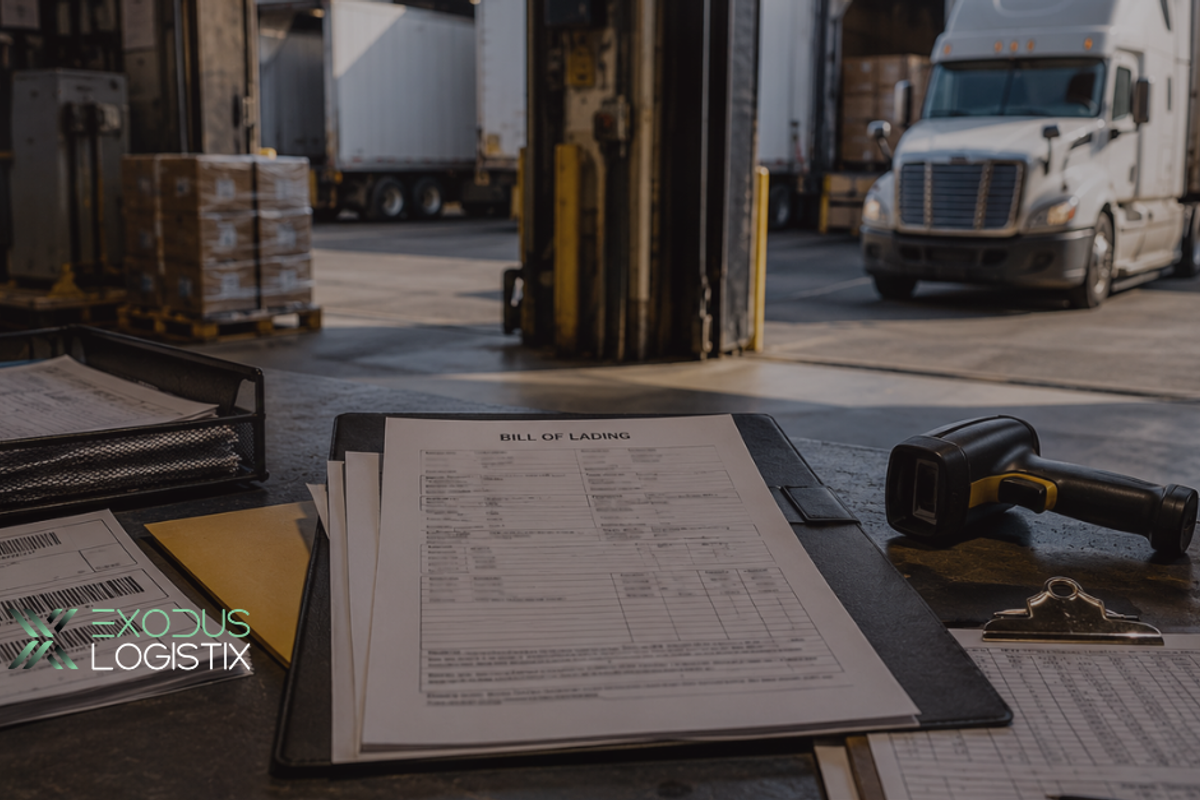
A Bill of Lading (BOL) is one of the most important documents used in freight transportation.
It serves as a shipping document that outlines key details about a shipment, including the freight being transported, the shipper, the carrier, and the delivery destination.
A properly completed Bill of Lading helps ensure everyone involved in the transportation process is working from the same shipment information, supporting more accurate coordination and freight movement.
Why the Bill of Lading Matters
Every freight shipment relies on accurate information.
Without clear shipping documentation, transportation providers, warehouse teams, and receivers may experience unnecessary delays or confusion.
A Bill of Lading helps support:
- shipment accuracy
- transportation coordination
- freight identification
- delivery verification
- communication between all parties
For many businesses, it is one of the first documents created before freight begins moving.
What Is a Bill of Lading?
A Bill of Lading is a transportation document that accompanies a freight shipment from pickup through delivery.
It provides important shipment information used by shippers, carriers, and receivers throughout the transportation process.
Although formats may vary, a Bill of Lading is commonly used to document the details needed to move freight accurately and efficiently.
What Information Does a Bill of Lading Include?
A typical Bill of Lading may contain:
- shipper information
- consignee information
- pickup location
- delivery location
- shipment description
- freight quantity
- shipment weight
- dimensions
- freight classification (when applicable)
- special handling instructions
- carrier information
Providing complete and accurate information helps support efficient transportation planning.
Who Uses a Bill of Lading?
Several parties rely on the Bill of Lading throughout the shipment lifecycle.
Shippers
Businesses preparing freight use the document to communicate shipment details.
Transportation Providers
Carriers use the Bill of Lading to verify freight information during pickup and delivery.
Receiving Facilities
Receivers compare incoming freight against the shipment information provided on the document.
Logistics Partners
Transportation coordinators may reference the Bill of Lading when managing shipment visibility and communication.
Why Accuracy Is Important
Accurate shipping documentation helps reduce avoidable transportation issues.
Incomplete or incorrect information may contribute to:
- shipment delays
- delivery confusion
- scheduling adjustments
- freight discrepancies
- communication challenges
Reviewing shipment information before pickup helps improve transportation efficiency.
Electronic Bills of Lading (eBOL)
Many businesses now utilize electronic Bills of Lading.
Electronic documentation may help improve:
- document accessibility
- shipment visibility
- communication
- record management
- operational efficiency
Digital shipping documents continue to become more common throughout modern supply chains.
Common Mistakes to Avoid
Several simple mistakes can create unnecessary transportation challenges.
Incomplete Shipment Information
Missing shipment details can delay transportation planning.
Incorrect Freight Descriptions
Accurate freight descriptions help transportation providers prepare the appropriate equipment.
Outdated Contact Information
Current shipper and receiver information supports better communication.
Missing Special Instructions
Delivery appointments, handling requirements, or site restrictions should be communicated before transportation begins.
How Businesses Can Improve Shipping Documentation
Several best practices help support smoother freight movement.
Verify Shipment Details
Review pickup and delivery information before creating shipping documents.
Confirm Freight Specifications
Ensure weights, dimensions, and shipment descriptions are accurate.
Communicate Special Requirements
Share handling instructions or appointment requirements before pickup.
Maintain Organized Records
Keeping accurate transportation documentation supports future shipment management.
Common Questions About Bills of Lading
What does BOL stand for?
BOL stands for Bill of Lading.
Is a Bill of Lading required for freight shipments?
Most commercial freight shipments use a Bill of Lading or similar transportation documentation.
Who prepares the Bill of Lading?
The shipper typically prepares or provides the shipment information used to create the document.
Can a Bill of Lading be electronic?
Yes.
Many businesses now use electronic Bills of Lading to improve transportation documentation and communication.
Why is the Bill of Lading important?
It provides the shipment information needed to support transportation coordination, freight identification, and delivery verification.
Building Better Transportation Processes
Reliable transportation depends on more than trucks and trailers.
Accurate documentation, communication, planning, and visibility all contribute to successful freight movement.
Understanding how shipping documents such as the Bill of Lading support transportation operations helps businesses build stronger and more efficient supply chains.
Final Thoughts
A Bill of Lading is one of the most important documents in freight transportation.
It helps communicate shipment information, supports coordination between transportation partners, and improves the accuracy of freight movement from pickup through delivery.
Whether shipping occasionally or managing ongoing transportation operations, understanding the purpose of a Bill of Lading is an important part of building a more reliable transportation strategy.
To learn more about transportation solutions designed around visibility, planning, and execution, visit:
Tags

About the Author
exodus logistix
Exodus Logistix provides freight and logistics solutions built on disciplined planning, clear coordination, and operational accountability. With experience supporting complex shipments across multiple industries, the team focuses on reducing disruption, improving reliability, and helping businesses move freight with confidence.