
Shared Truckload (STL): A Cost-Efficient Bridge Between LTL and FTL
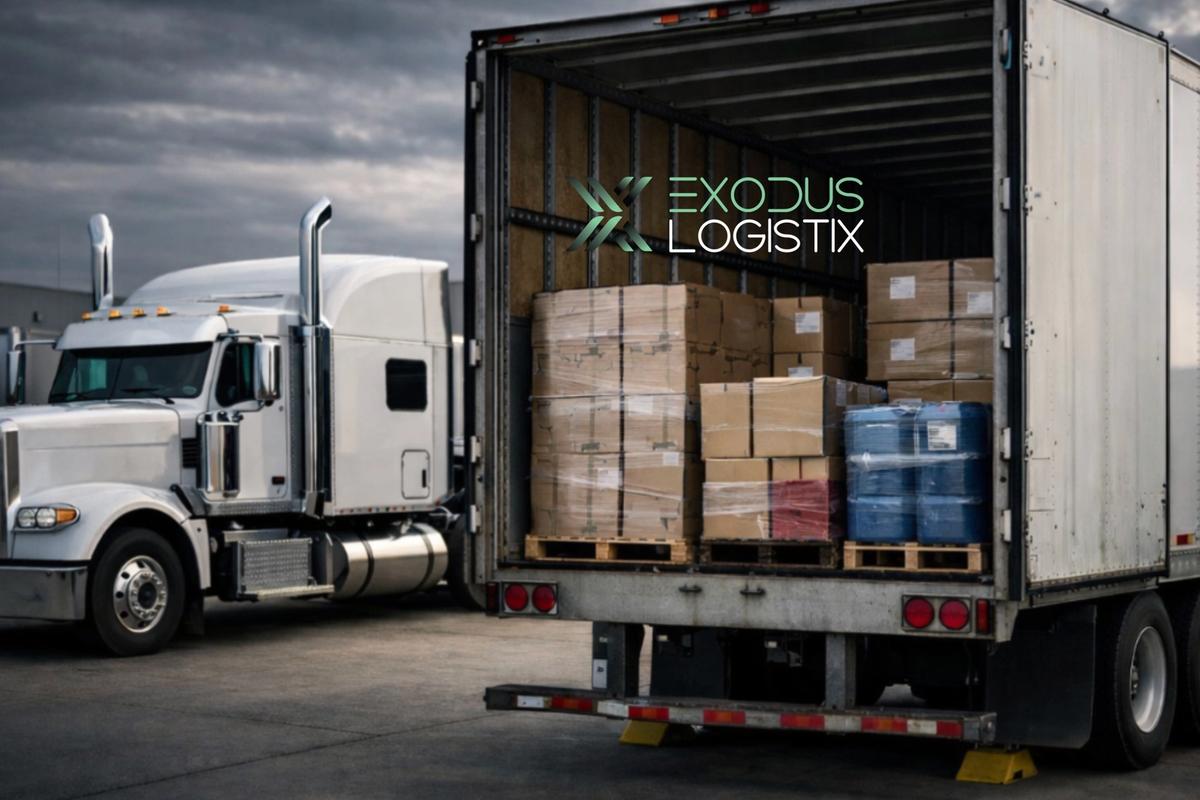
Not every shipment fits cleanly into a full truckload (FTL) or less-than-truckload (LTL) model.
Many shippers move freight that is too large for traditional LTL but doesn’t justify paying for an entire dedicated trailer. In these scenarios, shared truckload (STL) offers a practical, cost-efficient alternative.
Shared truckload bridges the gap between LTL and FTL by combining compatible shipments on the same truck — without the terminal-heavy handling typically associated with LTL networks.
At Exodus Logistix, shared truckload programs are structured around coordinated planning, controlled execution, and reduced handling exposure — helping shippers balance cost efficiency with operational reliability.
What Is Shared Truckload (STL)?
Shared truckload (STL) is a freight solution where multiple shipments from different shippers move together on one truck along compatible routes.
Unlike traditional LTL:
- Freight does not move through multiple cross-dock terminals
- Shipments typically stay on the same trailer from pickup to delivery
- Handling events are reduced
Unlike full truckload:
- Shippers only pay for the portion of space they use
- Trailer capacity is shared efficiently across compatible freight
This hybrid structure offers a middle ground — more efficiency than LTL and more cost flexibility than FTL.
How Shared Truckload Works
A shared truckload program begins with route alignment and freight compatibility planning.
Key elements include:
- Lane matching based on origin, destination, and delivery windows
- Compatible freight profiles to minimize handling risk
- Coordinated scheduling to maintain predictable transit
- Structured dispatch oversight
Instead of moving freight through terminal networks, shipments are strategically consolidated and loaded in sequence — reducing touchpoints and improving control.
When executed properly, shared truckload delivers predictable transit performance with fewer operational disruptions.
Shared Truckload vs LTL: What’s the Difference?
LTL freight moves through hub-and-spoke terminal networks, often involving multiple transfers between trailers.
Shared truckload reduces these transfers.
LTL Characteristics:
- Multiple handling events
- Terminal sorting and cross-docking
- Higher risk of delays from network congestion
- Cost efficiency for small palletized freight
Shared Truckload Characteristics:
- Fewer touchpoints
- Direct routing with coordinated consolidation
- Improved transit predictability
- Stronger fit for mid-size shipments
For shippers concerned about handling risk or transit variability, STL often offers a more stable solution than traditional LTL.
Shared Truckload vs Full Truckload (FTL)
Full truckload dedicates the entire trailer to one shipment.
Shared truckload distributes trailer capacity across compatible freight.
FTL is best when:
- Freight fills most or all of a trailer
- Delivery windows are highly time-sensitive
- Dedicated capacity is required
Shared truckload is ideal when:
- Freight occupies partial trailer space
- Cost control is a priority
- Delivery timing allows coordinated routing
STL offers many of the execution benefits of FTL — without the full-trailer cost commitment.
When Should You Use Shared Truckload?
Shared truckload is particularly effective when:
- Freight is too large for LTL but underutilizes FTL
- Transit consistency is important
- Handling risk must be reduced
- Multiple shipments move along similar lanes
- Cost stabilization is a strategic priority
Industries such as manufacturing, food & beverage, retail distribution, and consumer goods frequently benefit from structured STL programs.
Operational Advantages of Shared Truckload
When managed correctly, shared truckload provides measurable operational benefits:
Reduced Handling Risk
Fewer transfers mean less exposure to damage or misrouting.
Improved Transit Predictability
Direct routing reduces network variability.
Cost Efficiency
Trailer capacity is optimized without paying for unused space.
Controlled Execution
Coordinated dispatch and oversight improve shipment visibility.
Scalable Freight Programs
Shared truckload can be integrated into broader freight strategies, including dry van, refrigerated, and industry-specific logistics programs.
The Role of Planning in Shared Truckload Success
Shared truckload only works when it is structured — not improvised.
Effective STL programs require:
- Strategic lane planning
- Compatible freight matching
- Coordinated pickup and delivery sequencing
- Carrier alignment and communication protocols
- Defined escalation procedures
Without this framework, shared capacity can create complexity instead of efficiency.
At Exodus Logistix, shared truckload is built on disciplined planning and execution oversight — ensuring that consolidation strengthens performance rather than introduces risk.
Is Shared Truckload Cheaper Than LTL?
In many cases, yes.
For mid-size freight, shared truckload often reduces cost per shipment compared to LTL — especially when:
- Freight spans long distances
- Multiple pallets ship together
- Handling exposure is a concern
Because STL avoids repeated terminal processing, it can reduce hidden costs tied to delays, damage claims, and transit variability.
Final Perspective: Structured Capacity Creates Stability
Freight does not have to be forced into rigid categories.
Between LTL and FTL lies a strategic opportunity.
Shared truckload provides a disciplined, cost-efficient freight solution for shippers seeking balance — combining optimized capacity utilization with improved execution control.
When freight programs are structured around compatibility, coordination, and accountability, performance improves and variability decreases.
Learn more about how Exodus Logistix supports shared truckload programs: 👉 https://exoduslogistix.com/services/shared-truckload
Tags

About the Author
exodus logistix
Exodus Logistix provides freight and logistics solutions built on disciplined planning, clear coordination, and operational accountability. With experience supporting complex shipments across multiple industries, the team focuses on reducing disruption, improving reliability, and helping businesses move freight with confidence.