
Reverse Logistics for Retail: Balancing Inventory Across Stores and Distribution Centers
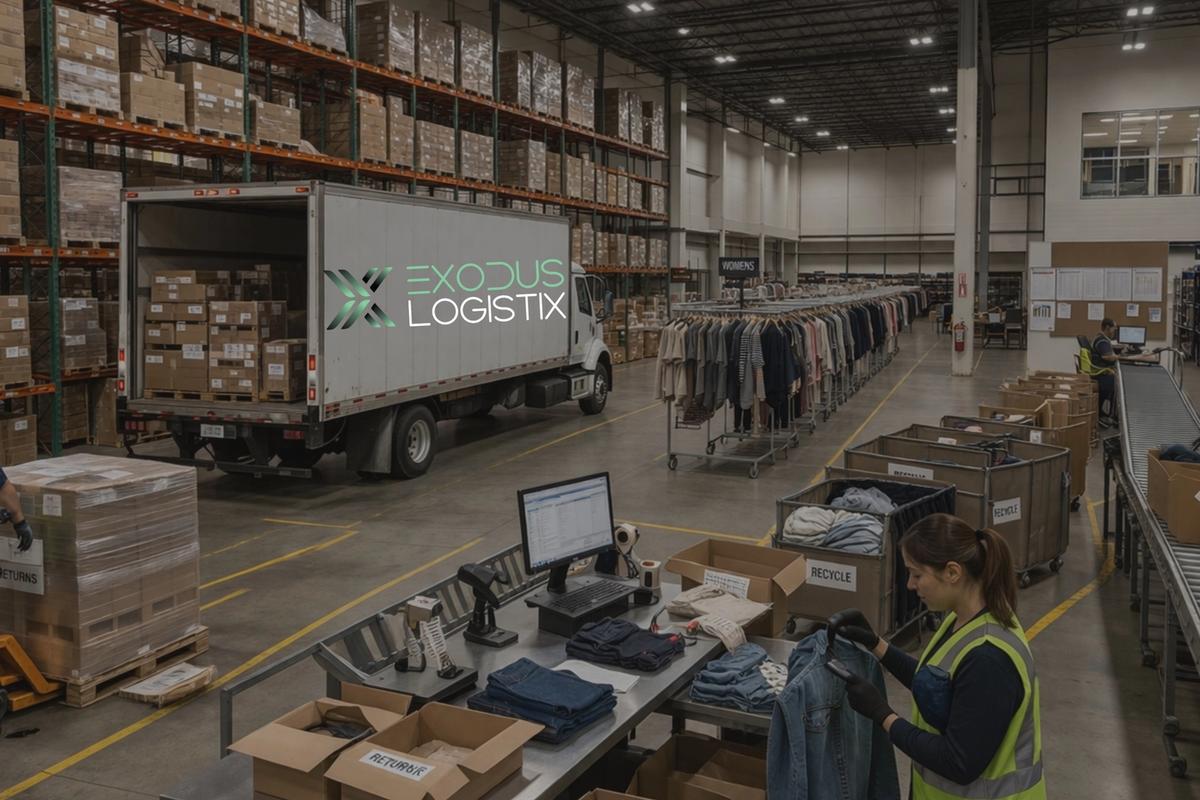
Retail supply chains are built on balance.
Products must be in the right place, at the right time, to meet customer demand across stores, fulfillment centers, and distribution hubs.
But demand rarely stays consistent.
Returns, excess inventory, and shifting sales patterns create imbalances that disrupt how inventory flows through the system.
Reverse logistics for retail plays a critical role in restoring that balance — ensuring products move efficiently between locations instead of remaining idle.
Why Inventory Imbalance Happens in Retail
Retail operations are dynamic.
Customer demand shifts across regions, channels, and seasons. E-commerce adds another layer of complexity, increasing return volumes and redistributing inventory across the network.
Common causes of imbalance include:
- uneven demand across store locations
- high return volumes from e-commerce
- seasonal inventory shifts
- overstocking in specific regions
- product lifecycle changes
When inventory becomes concentrated in the wrong locations, it limits availability elsewhere — affecting both sales and operational efficiency.
The Role of Reverse Logistics in Inventory Rebalancing
Reverse logistics is not just about handling returns.
In retail, it is a structured process used to reposition inventory across the supply chain.
This includes:
- moving excess stock from low-demand locations
- redistributing products to higher-demand regions
- transferring inventory between stores and distribution centers
- routing returned goods back into active inventory
Instead of allowing products to remain where demand has declined, reverse logistics ensures they continue moving where they are needed.
How Retailers Use Reverse Logistics to Maintain Flow
Effective reverse logistics strategies focus on continuous movement.
Inventory Reallocation
Products are transferred between locations to match real-time demand patterns.
Return Reintegration
Returned items are quickly processed and redirected into sellable inventory.
Cross-Network Distribution
Inventory moves across multiple facilities to maintain consistent availability.
Coordinated Transportation
Freight is aligned with existing routes to reduce cost and improve efficiency.
This structured approach allows retailers to maintain flow without disrupting outbound operations.
Transportation as the Driver of Retail Reverse Logistics
Reverse logistics depends on execution.
Transportation ensures that inventory moves efficiently across the network, supporting rebalancing efforts in real time.
Without coordinated transportation:
- inventory remains stuck in low-demand locations
- distribution centers become congested
- stores experience stock shortages
With structured transportation:
- inventory flows remain balanced
- movement aligns with demand
- operations remain consistent
This makes transportation a critical component of reverse logistics in retail.
Benefits of Reverse Logistics for Retail Operations
When reverse logistics is structured effectively, retailers gain:
Improved Inventory Availability
Products are positioned where demand exists.
Faster Inventory Movement
Returned and excess goods re-enter circulation quickly.
Reduced Stock Imbalances
Inventory is distributed more evenly across locations.
Lower Operational Costs
Efficient movement reduces unnecessary storage and handling.
Stronger Supply Chain Efficiency
Balanced inventory supports smoother operations across the network.
Supporting Multi-Location Retail Networks
Retailers operating across multiple stores and distribution centers require scalable reverse logistics strategies.
This includes:
- coordinating transportation across multiple locations
- maintaining visibility across inventory movement
- aligning freight schedules with operational demand
- integrating reverse logistics into overall supply chain planning
These capabilities ensure that inventory remains balanced, even as demand shifts.
Keeping Retail Supply Chains Aligned
Retail supply chains rely on continuous alignment between inventory and demand.
When that alignment breaks, performance declines.
Reverse logistics for retail restores that alignment by ensuring inventory moves where it is needed — not where it was originally shipped.
At Exodus Logistix, transportation programs are structured to support retail inventory movement across both forward and reverse flows — maintaining consistency across the entire supply chain.
To learn more about how structured logistics solutions support retail operations, visit:👉 https://exoduslogistix.com/industries/retail
Tags

About the Author
exodus logistix
Exodus Logistix provides freight and logistics solutions built on disciplined planning, clear coordination, and operational accountability. With experience supporting complex shipments across multiple industries, the team focuses on reducing disruption, improving reliability, and helping businesses move freight with confidence.