
How the War in Iran Is Affecting Trucking in the United States
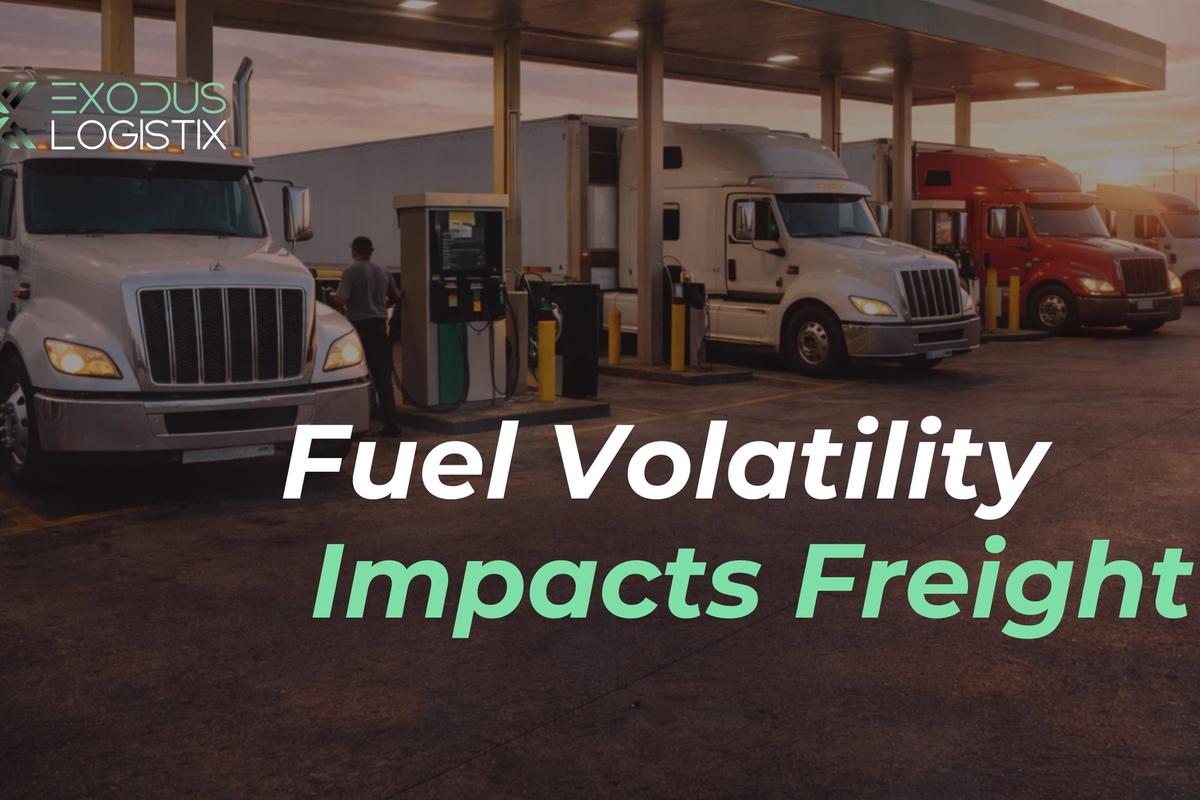
In global supply chains, events thousands of miles away can quickly influence transportation costs at home.
The recent conflict involving Iran has created significant disruption across global energy markets. While the fighting is occurring far from U.S. highways, the ripple effects are already being felt across American trucking operations — primarily through rising diesel prices.
For freight transportation companies and shippers, fuel is one of the largest operating costs. When diesel prices rise rapidly, freight pricing often follows.
Understanding why this happens requires looking at how global energy markets influence domestic transportation.
Why Global Conflicts Impact U.S. Diesel Prices
Oil is traded in a global market. Even when fuel is refined and consumed domestically, its price is still influenced by global supply and demand.
The current conflict has raised concerns about disruptions to oil shipments moving through the Strait of Hormuz, one of the world’s most critical energy shipping routes. Roughly 20% of global oil supply passes through this narrow waterway each day.
When instability threatens that flow, energy markets react quickly.
Crude oil prices rise as traders anticipate potential shortages, and refined fuels like diesel often increase alongside them.
Recent reports show U.S. diesel prices climbing above $4 per gallon, the highest level in nearly two years, as tensions in the Middle East escalate.
Why Diesel Matters More Than Gasoline for Freight
While gasoline prices affect consumers directly, diesel prices are far more important for the freight economy.
Diesel fuels:
- Long-haul trucking fleets
- Delivery vehicles
- Construction equipment
- Agricultural machinery
- Rail and marine transport
Because nearly every product in the United States moves by truck at some point in the supply chain, diesel prices influence the cost of transporting goods across the country.
When diesel prices increase, transportation costs rise across multiple sectors.
How Rising Diesel Prices Affect Trucking Rates
Fuel typically represents one of the largest variable costs in trucking operations.
When diesel prices spike, carriers often face immediate increases in operating expenses. This can lead to several changes in the freight market.
Fuel Surcharges Increase
Many carriers adjust fuel surcharge programs to account for higher diesel costs.
Contract Rates Adjust Over Time
Longer-term transportation agreements may be renegotiated as fuel costs remain elevated.
Spot Market Pricing Becomes More Volatile
When fuel prices rise quickly, short-term freight rates often fluctuate more dramatically.
Smaller Carriers Face Financial Pressure
Independent operators and smaller fleets are especially vulnerable to sudden fuel price increases.
These shifts can influence shipping budgets for manufacturers, retailers, and distributors nationwide.
Supply Chain Costs Extend Beyond Fuel
The impact of global energy disruptions is rarely limited to fuel alone.
Higher oil prices can also affect:
- Manufacturing costs
- Agricultural operations
- Packaging materials
- Equipment production
- Distribution network expenses
Economists note that oil price increases can push inflation higher because energy costs affect nearly every stage of production and transportation.
In freight-heavy industries, transportation is often one of the first places these pressures appear.
Why Structured Freight Planning Matters During Volatility
Periods of energy volatility highlight the importance of disciplined transportation planning.
When fuel prices fluctuate rapidly, supply chains that rely on reactive freight booking often experience the greatest cost instability.
Structured freight programs help mitigate this risk by:
- Aligning carrier capacity in advance
- Optimizing routing efficiency
- Reducing unnecessary empty miles
- Maintaining consistent carrier partnerships
- Improving visibility into transportation costs
While global events cannot be controlled, operational discipline can reduce their impact on freight execution.
The Bottom Line
Global energy markets are tightly connected to the transportation industry.
When geopolitical events disrupt oil supply routes or create uncertainty around energy production, diesel prices often rise quickly. For the trucking industry, this translates directly into higher operating costs and increased freight pricing.
For shippers and logistics leaders, understanding these connections is essential.
In transportation, pricing volatility rarely begins at the dock.
Often, it begins in global energy markets.
Learn more about structured transportation strategies: 👉 https://exoduslogistix.com/services/
Tags

About the Author
exodus logistix
Exodus Logistix provides freight and logistics solutions built on disciplined planning, clear coordination, and operational accountability. With experience supporting complex shipments across multiple industries, the team focuses on reducing disruption, improving reliability, and helping businesses move freight with confidence.