
Full Truckload (FTL) Shipping: Dedicated Capacity for Reliable Freight Movement
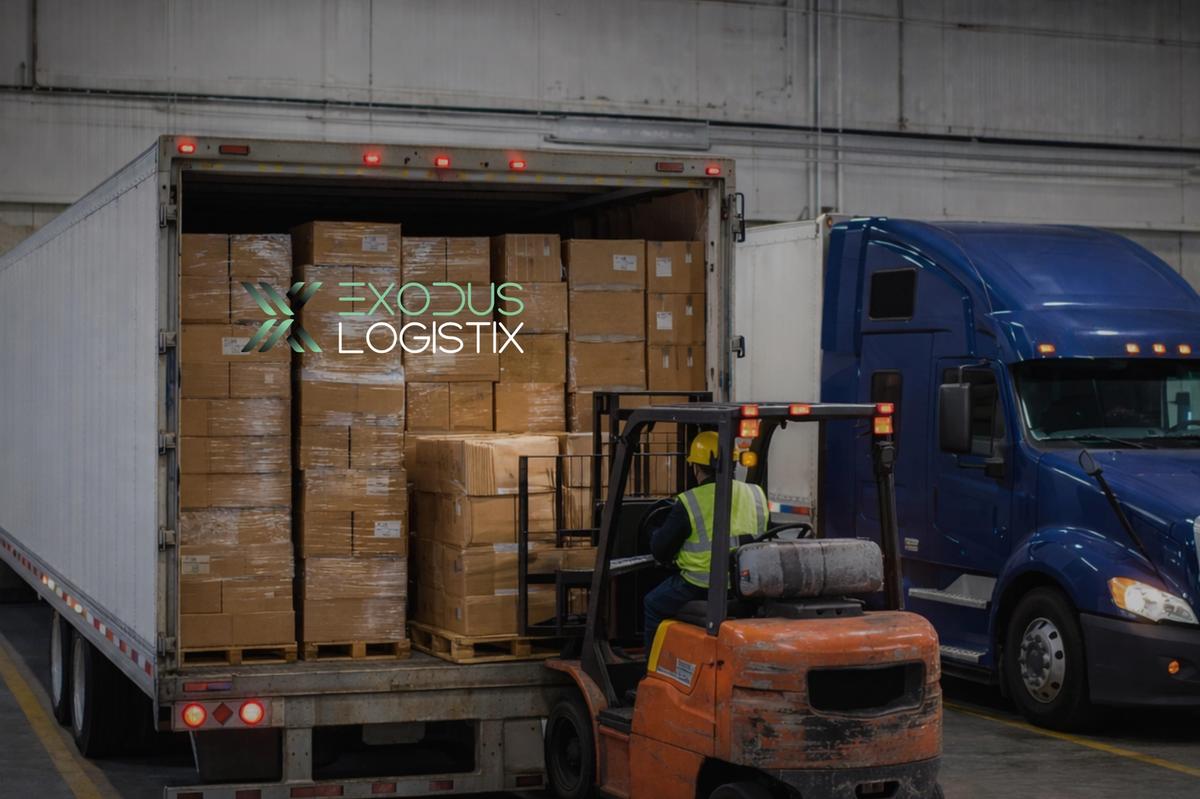
Full truckload shipping is built for one purpose: move freight without interruption.
No shared space. No unnecessary stops. No transfers between shipments.
Just direct, continuous movement from origin to destination.
For high-volume freight, full truckload (FTL) provides the structure needed to ensure speed, control, and consistency across the supply chain.
What Is Full Truckload (FTL) Shipping?
Full truckload (FTL) is a shipping method where a single shipment occupies an entire trailer.
This means:
- dedicated truck capacity
- direct point-to-point delivery
- minimal handling of goods
FTL is typically used for large shipments or freight that requires exclusive use of a trailer. By eliminating the need to share space, it simplifies execution and reduces operational complexity.
When to Use Full Truckload Shipping
FTL is most effective when shipments require:
- high volume movement
- time-sensitive delivery
- minimal handling
- increased security and control
- direct routing between locations
Because the trailer is dedicated to one shipment, FTL allows for tighter scheduling and more predictable delivery timelines.
How Full Truckload Improves Supply Chain Performance
Full truckload shipping is not just about moving more freight — it’s about moving it more efficiently.
When shipments move without interruption:
Transit Time Becomes More Predictable
Direct routes reduce delays caused by multiple stops or transfers.
Handling Is Minimized
Fewer touchpoints reduce the risk of damage or misplacement.
Scheduling Becomes More Accurate
Pickup and delivery windows are easier to coordinate.
Execution Becomes More Reliable
Fewer variables lead to more consistent performance.
This makes FTL a key solution for maintaining stability across supply chain operations.
Dedicated Capacity and Control
One of the defining advantages of full truckload shipping is dedicated capacity.
With FTL:
- the truck is assigned to a single shipment
- routes are planned around delivery requirements
- movement is not dependent on other freight
This level of control allows businesses to align transportation directly with operational needs.
Types of Equipment Used in Full Truckload Shipping
Full truckload services support a range of equipment types based on freight requirements:
- Dry Van – for general freight and packaged goods
- Refrigerated (Reefer) – for temperature-sensitive products
- Flatbed – for oversized or irregular cargo
This flexibility allows FTL to support multiple industries and shipment types while maintaining efficiency.
Full Truckload vs. Less Than Truckload (LTL)
Choosing between FTL and LTL depends on shipment size and requirements.
Full Truckload (FTL):
- exclusive trailer use
- direct delivery
- faster transit times
- greater control
Less Than Truckload (LTL):
- shared trailer space
- multiple stops
- longer transit times
- cost-efficient for smaller shipments
FTL is designed for performance and reliability, while LTL is designed for cost efficiency when shipping smaller loads.
The Role of Transportation in FTL Execution
Even with dedicated capacity, execution depends on coordination.
Transportation ensures that:
- routes are optimized for efficiency
- pickup and delivery schedules are met
- drivers and facilities remain aligned
- freight moves without disruption
This coordination is what allows full truckload shipping to perform consistently across different routes and conditions.
Benefits of Full Truckload Shipping
When structured effectively, FTL delivers measurable advantages:
Faster Transit Times
Direct routes reduce delays and improve delivery speed.
Reduced Risk of Damage
Minimal handling protects freight throughout the journey.
Improved Delivery Reliability
Fewer variables lead to consistent performance.
Greater Shipment Control
Dedicated capacity allows for better planning and execution.
Efficient High-Volume Movement
Large shipments move in a single load, reducing complexity.
Supporting High-Volume and Time-Sensitive Operations
Full truckload shipping plays a critical role in industries that depend on consistent movement, including:
- manufacturing
- retail distribution
- food and beverage
- industrial supply chains
These operations rely on predictable delivery timelines and efficient freight movement — both of which FTL is designed to support.
Keeping Freight Moving Without Interruption
Supply chain performance depends on how efficiently freight moves.
Full truckload shipping removes friction by providing:
- dedicated space
- direct routing
- controlled scheduling
It simplifies logistics by reducing variables and improving execution.
At Exodus Logistix, full truckload services are structured to provide reliable, efficient transportation for high-volume freight — ensuring consistent movement from pickup to delivery.
Learn more about Full Truckload services:
Tags

About the Author
exodus logistix
Exodus Logistix provides freight and logistics solutions built on disciplined planning, clear coordination, and operational accountability. With experience supporting complex shipments across multiple industries, the team focuses on reducing disruption, improving reliability, and helping businesses move freight with confidence.