
FTL vs LTL Shipping: How to Choose the Right Freight Mode for Your Operation
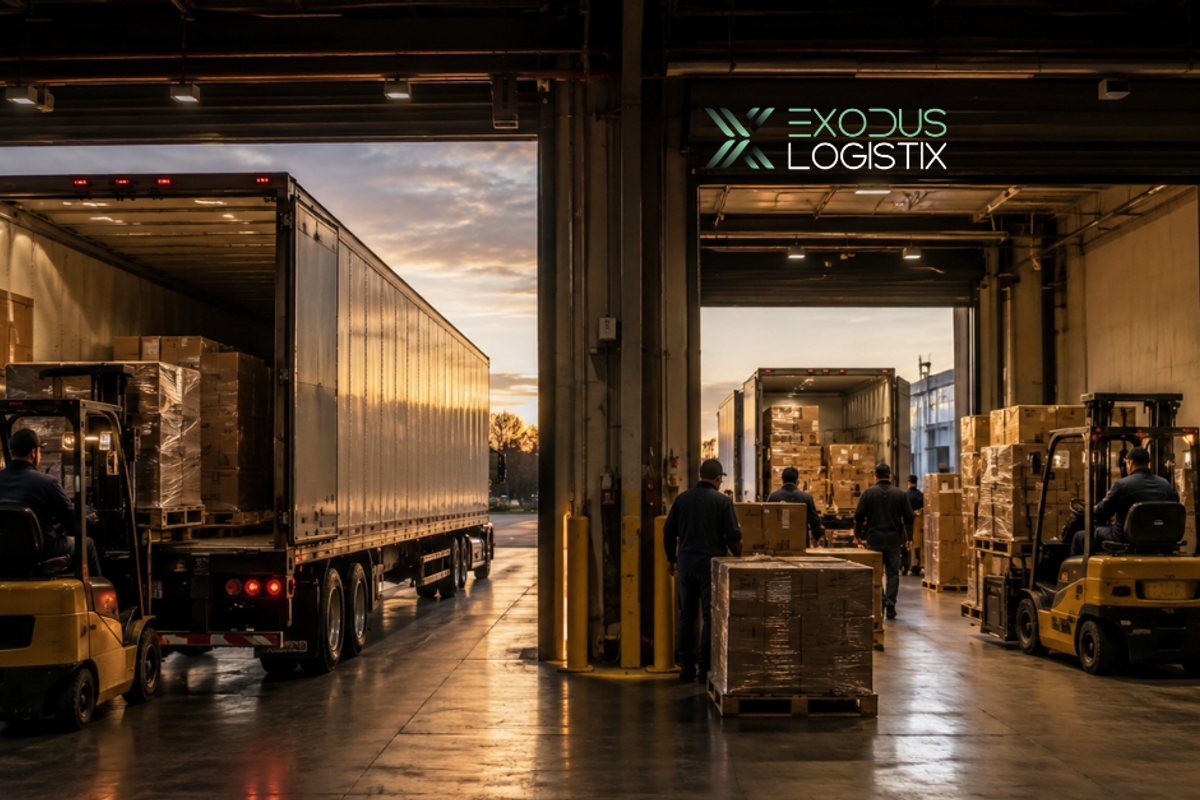
Most freight decisions are not just transportation decisions.
They are operational decisions.
The freight mode you choose affects:
- delivery timing
- handling exposure
- shipment flexibility
- transportation costs
- warehouse coordination
- overall supply chain flow
That’s why understanding the difference between FTL and LTL matters beyond pricing alone.
Both shipping models solve different operational problems.
The key is knowing which structure fits your freight movement best.
What Is FTL Shipping?
FTL stands for Full Truckload.
In FTL shipping, one shipment occupies most or all of a trailer’s available capacity.
The truck typically moves:
- directly from pickup to delivery
- with fewer stops
- minimal freight handling
- dedicated trailer space
FTL is commonly used for:
- high-volume shipments
- time-sensitive freight
- fragile or high-value products
- long-distance transportation
Because the trailer is dedicated to one shipment, transit is often more predictable.
What Is LTL Shipping?
LTL stands for Less-Than-Truckload.
LTL combines freight from multiple shippers onto the same trailer.
Instead of paying for an entire truck, shippers only pay for:
- the space their freight occupies
- the weight moved
- the shipment classification
LTL freight typically moves through:
- terminal networks
- cross-dock facilities
- consolidated routing systems
This structure helps reduce transportation costs for smaller shipments.
FTL vs LTL: The Core Operational Difference
The biggest difference between FTL and LTL is not trailer size.
It is how freight moves through the network.
FTL prioritizes:
- direct movement
- dedicated capacity
- reduced handling
- predictable transit
LTL prioritizes:
- shared transportation efficiency
- cost optimization for smaller freight
- consolidated routing
Each structure creates different operational advantages.
When FTL Shipping Makes More Sense
FTL is often the better option when:
- freight fills most of a trailer
- delivery timing is critical
- handling exposure must be minimized
- freight is oversized or high-value
- shipments move long distances consistently
FTL reduces:
- transfer points
- terminal handling
- scheduling variability
This creates stronger shipment control and more stable transit performance.
When LTL Shipping Is the Better Fit
LTL works well when:
- shipments are smaller
- freight moves less frequently
- cost efficiency is a higher priority than transit speed
- delivery windows are more flexible
For many businesses, LTL provides a cost-effective solution without requiring full trailer utilization.
Why Handling Matters in LTL Freight
One of the biggest operational differences in LTL shipping is freight handling.
LTL shipments often move through:
- multiple terminals
- cross-dock transfers
- trailer consolidations
Each touchpoint increases:
- transit variability
- delay potential
- handling exposure
This does not make LTL unreliable.
But it does mean shipment structure becomes more important depending on the freight type.
Cost Is Not the Only Decision Factor
Many businesses compare FTL and LTL based only on freight rates.
But operational cost matters just as much as transportation cost.
A lower upfront rate can create higher downstream costs through:
- delays
- damaged freight
- missed appointments
- inventory disruption
- reduced warehouse efficiency
The right freight mode depends on the total operational impact — not just the quote.
How Freight Volume Impacts the Decision
Freight volume is often the clearest deciding factor.
FTL is generally stronger when:
- shipments use large trailer space
- outbound flow is consistent
- delivery schedules are tighter
LTL is stronger when:
- shipments are smaller
- freight moves intermittently
- flexibility matters more than dedicated capacity
As shipping volume changes, businesses often shift between both models depending on operational needs.
Why Some Businesses Use Both FTL and LTL
Many supply chains rely on both freight structures simultaneously.
For example:
- FTL may support primary distribution lanes
- LTL may handle replenishment shipments or smaller orders
This creates a more flexible transportation network capable of adapting to:
- seasonal demand
- inventory shifts
- changing customer requirements
The goal is not choosing one permanently.
It is using the right transportation structure for the shipment.
What Strong Freight Coordination Looks Like
Whether freight moves FTL or LTL, execution still depends on:
- carrier coordination
- scheduling alignment
- shipment visibility
- communication
- operational planning
Transportation performance is rarely determined by the mode alone.
It is determined by how well the movement is coordinated around the shipment.
Conclusion: Freight Structure Should Match Operational Needs
FTL and LTL are not competing solutions.
They solve different transportation challenges.
The best freight strategy aligns:
- shipment size
- delivery expectations
- handling requirements
- operational priorities
- transportation flexibility
At Exodus Logistix, freight solutions are structured around operational fit — helping businesses choose the right transportation model based on how freight actually moves through their supply chain.
Learn More
Learn how Exodus Logistix supports reliable Full Truckload transportation solutions built around operational consistency and scalable freight movement:
Tags

About the Author
exodus logistix
Exodus Logistix provides freight and logistics solutions built on disciplined planning, clear coordination, and operational accountability. With experience supporting complex shipments across multiple industries, the team focuses on reducing disruption, improving reliability, and helping businesses move freight with confidence.