
Freight Routing & Dock Scheduling: Coordinating Arrivals to Prevent Delays
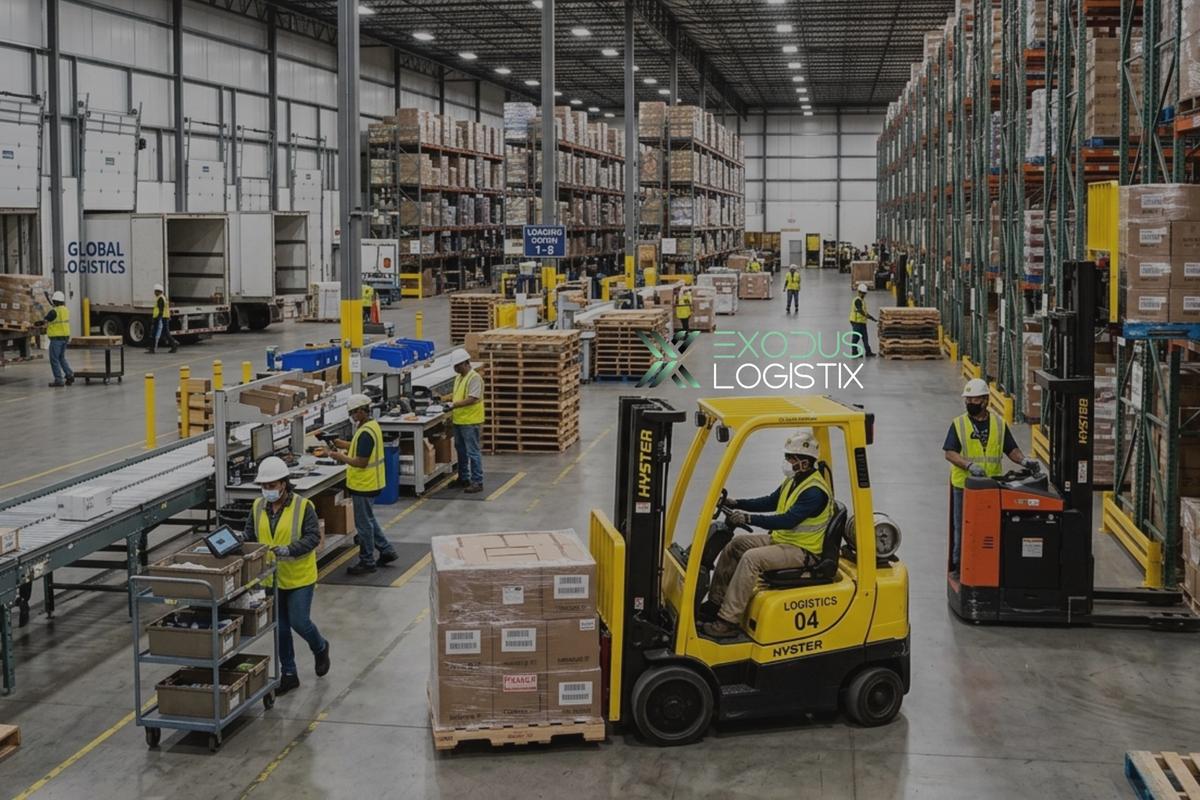
Freight doesn’t fail in transit. It fails before it moves.
Pickup times. Dock availability. Carrier arrival windows.
When these elements are not aligned, delays begin before a shipment even leaves the facility.
Freight routing and dock scheduling work together to ensure that shipments move on time — not just on paper, but in execution.
Why Delays Start at the Dock
Warehouses and distribution centers operate on structured schedules.
But when inbound and outbound shipments are not properly coordinated, congestion builds quickly.
Common issues include:
- trucks arriving without assigned dock windows
- overlapping pickup and delivery schedules
- delays in loading or unloading
- limited dock availability during peak hours
- misalignment between carriers and facility operations
These breakdowns create bottlenecks that impact the entire supply chain.
The Connection Between Routing and Dock Scheduling
Routing determines how freight moves. Dock scheduling determines when it can move.
When these two are disconnected, inefficiencies follow.
When aligned, they create:
- smoother loading and unloading processes
- reduced wait times for carriers
- more predictable departure and arrival times
- improved facility throughput
This alignment ensures that movement is not just planned — it is executable.
How Structured Scheduling Improves Freight Flow
Effective logistics operations treat dock scheduling as part of the routing strategy, not a separate process.
Coordinated Arrival Windows
Shipments are scheduled to arrive within specific timeframes that match dock availability.
Load Prioritization
Freight is staged and loaded based on urgency, routing, and delivery timelines.
Carrier Alignment
Drivers and carriers are given clear schedules to reduce idle time and confusion.
Continuous Flow Management
Inbound and outbound shipments are structured to prevent congestion and maintain steady movement.
This approach reduces delays before they occur.
The Impact of Poor Coordination
When routing and scheduling are not aligned, the effects extend beyond a single shipment.
- trucks wait longer at facilities
- delivery timelines become inconsistent
- warehouse operations slow down
- carrier efficiency decreases
These inefficiencies compound across multiple shipments, increasing costs and reducing reliability.
Transportation as the Execution Layer
Planning is only effective when it can be executed.
Transportation plays a key role in ensuring that routing and scheduling align in real time.
This includes:
- adjusting routes based on facility availability
- coordinating with warehouse teams
- ensuring carriers meet scheduled windows
- maintaining flexibility when disruptions occur
This level of coordination ensures that freight moves as planned.
Benefits of Routing and Scheduling Alignment
When routing and dock scheduling are structured together, businesses gain:
Reduced Dwell Time
Trucks spend less time waiting at facilities.
Improved On-Time Performance
Shipments depart and arrive according to schedule.
Better Facility Efficiency
Warehouses operate with less congestion.
Stronger Carrier Relationships
Predictable schedules improve driver experience and reliability.
Lower Operational Costs
Fewer delays reduce unnecessary expenses.
Supporting High-Volume Operations
For businesses managing multiple shipments daily, coordination is critical.
Routing and scheduling must scale across:
- multiple distribution centers
- varying shipment volumes
- different carrier networks
- changing demand patterns
This requires structured systems that ensure alignment across all moving parts.
Structuring Movement Before It Starts
Freight performance is determined before a truck leaves the dock.
When routing and scheduling are aligned, shipments move without unnecessary delays, and operations remain consistent.
At Exodus Logistix, transportation programs are structured to align routing with execution — ensuring that every shipment moves according to plan.
To learn more about how structured transportation solutions support efficient freight movement, visit: 👉 https://exoduslogistix.com/services/
Tags

About the Author
exodus logistix
Exodus Logistix provides freight and logistics solutions built on disciplined planning, clear coordination, and operational accountability. With experience supporting complex shipments across multiple industries, the team focuses on reducing disruption, improving reliability, and helping businesses move freight with confidence.