
How Does Equipment Availability Impact Freight Transportation Decisions?
Quick Answer
Transportation planning isn't just about finding a truck.
It's about securing the right equipment at the right time for the freight being shipped.
Equipment availability influences transportation costs, capacity access, scheduling flexibility, mode selection, and overall freight execution. When businesses understand how equipment availability affects transportation planning, they can make more informed shipping decisions and reduce avoidable disruptions.
At Exodus Logistix, transportation planning begins with understanding both the freight and the equipment required to move it successfully.
Not Every Shipment Requires the Same Equipment
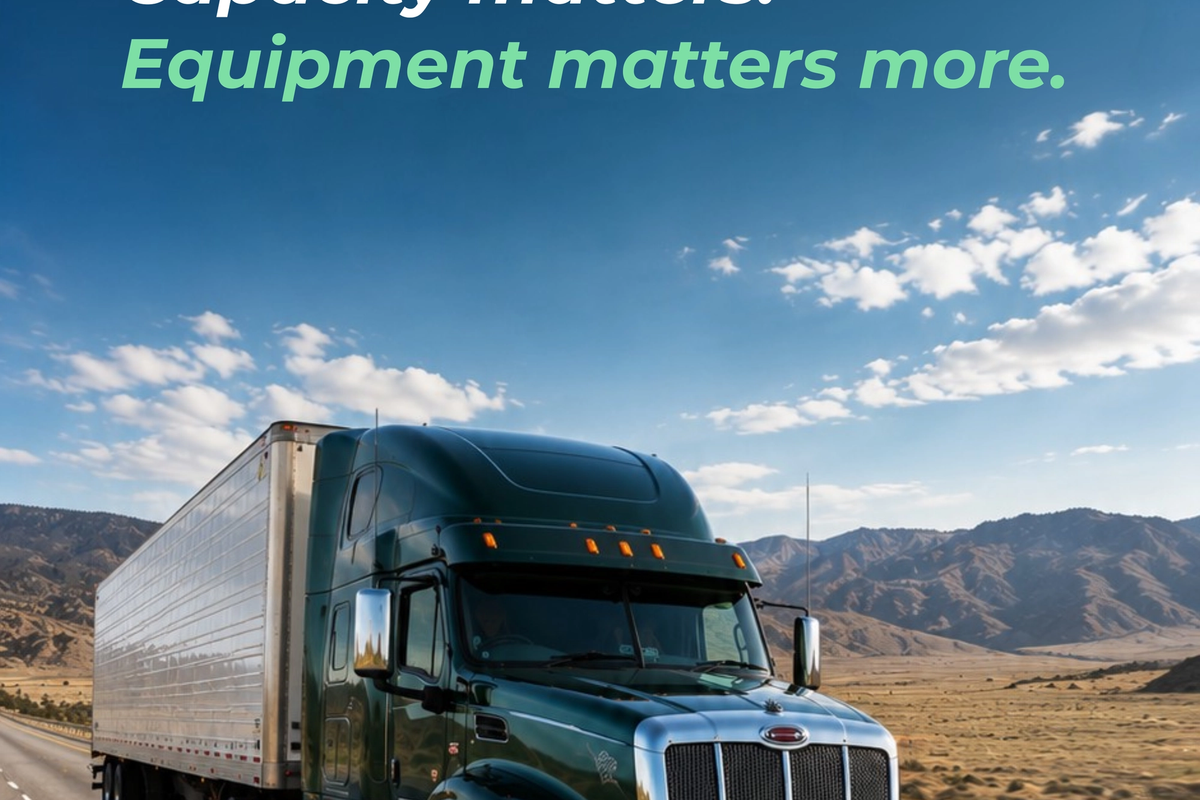
Many transportation discussions focus on capacity.
But capacity is only part of the equation.
A truck may be available.
The required equipment may not.
Depending on the shipment, transportation may require:
- Dry Vans
- Refrigerated Trailers
- Flatbeds
- Step Decks
- Double Drop Trailers
- Intermodal Containers
- Drop Trailers
Each equipment type serves a specific operational purpose.
The availability of that equipment often determines which transportation options are realistic for a shipmen
Equipment Availability Affects Transportation Planning
Transportation plans become more effective when equipment requirements are evaluated early.
Waiting until freight is ready to move can create unnecessary challenges.
Equipment availability may influence:
- Pickup scheduling
- Delivery timelines
- Transportation mode selection
- Capacity access
- Routing decisions
- Transportation costs
The earlier equipment requirements are identified, the more options businesses typically have available.
Specialized Equipment Often Requires Additional Planning
Standard dry van capacity is generally more available than specialized transportation equipment.
However, many shipments require additional considerations.
Examples include:
Refrigerated Freight
Temperature-sensitive products require refrigerated equipment that may not be available in every market.
Oversized Freight
Large or unusually shaped shipments often require specialized trailers and route planning.
Heavy Haul Freight
Weight restrictions may require equipment specifically designed for heavy cargo.
Intermodal Transportation
Container availability, chassis availability, and rail schedules all influence execution.
As transportation requirements become more specialized, planning becomes increasingly important.
Equipment Availability Influences Transportation Costs
Freight rates are often influenced by equipment supply and demand.
When equipment is readily available, transportation options are typically broader.
When equipment availability becomes constrained, businesses may experience:
- Reduced flexibility
- Longer lead times
- Increased competition for capacity
- Higher transportation costs
- Fewer routing options
Understanding equipment availability helps businesses plan more effectively before these challenges affect operations.
Transportation Networks Change Constantly
Equipment availability is not static.
Market conditions change.
Freight demand fluctuates.
Seasonal shipping patterns shift equipment across regions.
One market may have abundant trailer capacity.
Another may experience equipment shortages during the same period.
Regular transportation planning helps businesses adjust as those conditions evolve.
Visibility Improves Equipment Planning
The best transportation decisions are supported by visibility.
Transportation teams benefit from understanding:
- Upcoming shipment volumes
- Equipment requirements
- Lane activity
- Seasonal demand patterns
- Customer delivery commitments
- Transportation priorities
When transportation providers have greater visibility into future freight needs, they can often align equipment more effectively.
Why Businesses Work With Exodus Logistix
At Exodus Logistix, transportation planning begins before freight is dispatched.
We evaluate shipment characteristics, equipment requirements, transportation modes, operational priorities, lane conditions, and customer expectations before recommending a transportation strategy.
Whether freight moves by:
- Full Truckload
- Partial Truckload
- Shared Truckload
- Intermodal
- LTL
- Drop Trailer Programs
our objective remains the same:
Build transportation strategies that improve operational efficiency—not simply move freight from one location to another.
Frequently Asked Questions
Why is equipment availability important in transportation?
Equipment availability directly affects capacity access, scheduling flexibility, transportation costs, and the ability to execute shipments efficiently.
Does equipment availability affect freight rates?
Yes. When demand exceeds available equipment, transportation costs often increase due to limited capacity.
What types of freight require specialized equipment?
Refrigerated freight, oversized cargo, heavy haul shipments, and certain intermodal movements often require specialized transportation equipment.
How can businesses improve access to equipment?
Advance planning, accurate forecasting, consistent shipping volumes, and strong transportation partnerships help improve access to equipment.
Final Thoughts
Successful transportation begins with matching freight requirements to the right equipment.
When businesses understand how equipment availability affects transportation planning, they can improve scheduling flexibility, strengthen execution, and reduce avoidable transportation challenges.
At Exodus Logistix, we believe better transportation decisions begin long before a truck arrives at the dock.
Because reliable freight execution depends on more than available capacity.
It depends on having the right equipment in the right place at the right time.
Tags

About the Author
exodus logistix
Exodus Logistix provides freight and logistics solutions built on disciplined planning, clear coordination, and operational accountability. With experience supporting complex shipments across multiple industries, the team focuses on reducing disruption, improving reliability, and helping businesses move freight with confidence.