
Dry Van Shipping Checklist: 7 Things to Confirm Before Booking
Quick Answer
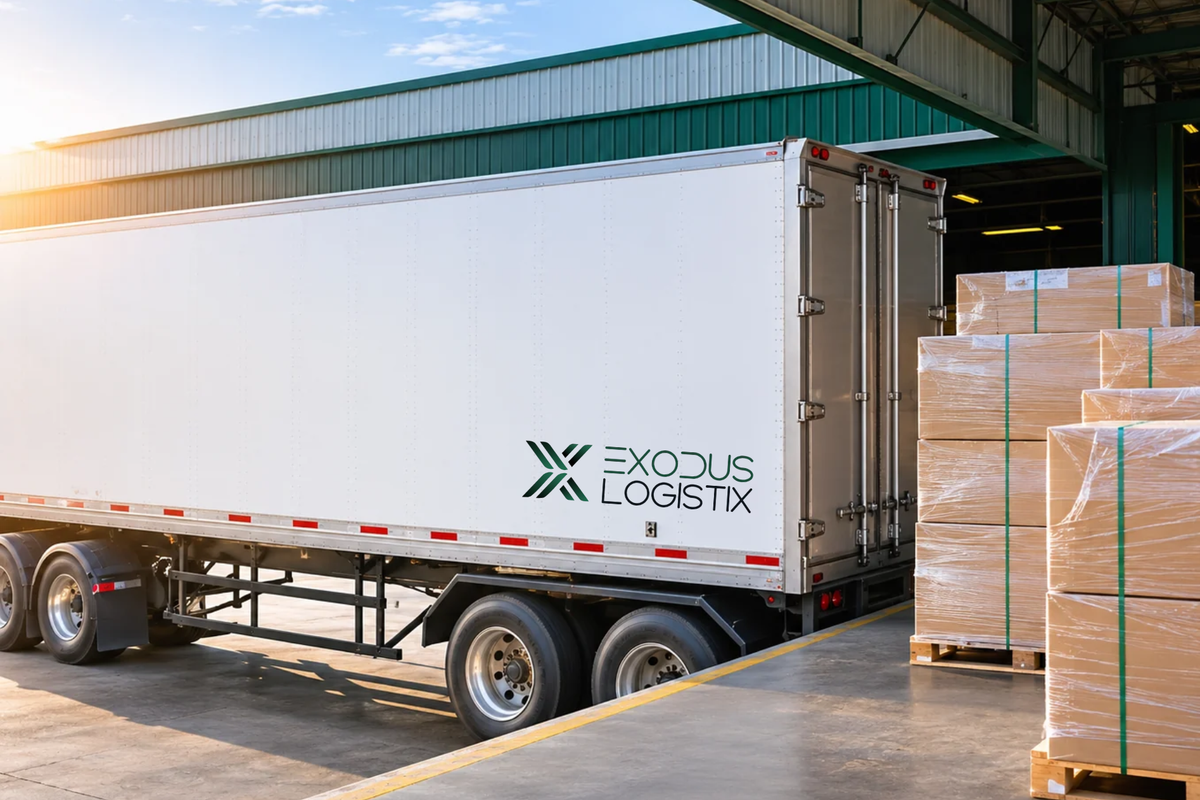
Before booking a dry van shipment, shippers should confirm freight dimensions, total weight, packaging, loading requirements, pickup and delivery schedules, and any special handling instructions.
Dry van trailers provide enclosed, weather-protected transportation for general freight that does not require temperature control. However, selecting the right trailer is only one part of the process.
Accurate shipment information helps logistics providers match freight with suitable equipment, coordinate pickups, plan capacity, and reduce avoidable delays.
A truck can be available.
The rate can be approved.
But if the shipment details aren't right, execution can still become complicated.
A Dry Van Is Only the Starting Point
Dry van transportation is widely used for retail goods, consumer packaged products, manufacturing materials, and general palletized freight.
The enclosed trailer protects cargo from direct exposure to weather and road conditions during transit.
But not every shipment moves the same way.
A shipment of boxed retail inventory may have different loading requirements from industrial components, packaged food, or heavy manufacturing materials.
Before requesting a quote, shippers should understand exactly what is moving and how it needs to be handled.
The transportation plan should fit the freight—not the other way around.
Seven Things To Confirm Before Booking Dry Van Freight
1. Confirm Total Shipment Weight and Dimensions
Pallet count alone doesn't provide enough information to plan a shipment.
Two shipments with the same number of pallets can occupy different amounts of trailer space and have significantly different weights.
Before booking, confirm:
- Total shipment weight
- Number of pallets or pieces
- Length, width, and height
- Whether freight is stackable
- Whether pallets can be double-stacked
- Any oversized or irregular dimensions
Accurate measurements help determine trailer utilization, available capacity, and the most appropriate transportation option.
Incorrect dimensions can create problems when the carrier arrives and discovers that the freight doesn't fit the original plan.
2. Review Packaging and Freight Stability
Freight must be prepared to withstand normal transportation conditions.
Packaging plays an important role in protecting products during loading, transit, and unloading.
Shippers should review:
- Pallet condition
- Stretch wrapping and banding
- Carton strength
- Load stability
- Protection for fragile items
- Whether freight can be stacked safely
Poorly secured freight can shift during transit, increasing the risk of damage.
The transportation provider should also understand whether the shipment requires special loading instructions or handling considerations.
3. Verify That Dry Van Is the Right Equipment
Dry van trailers are designed for general freight that does not require active temperature control or specialized open-deck equipment.
However, certain products require different transportation arrangements.
Freight requirement
Transportation to consider
General palletized freight
Dry Van
Temperature-sensitive products
Refrigerated Transportation
Oversized or irregular freight
Specialized or Oversized Transportation
Smaller shipments that don't need a full trailer
LTL or Partial Truckload
Compatible shipments sharing trailer capacity
Shared Truckload
The right equipment depends on the product, shipment dimensions, handling requirements, and delivery expectations.
Choosing equipment before understanding these requirements can create unnecessary changes later.
4. Confirm Pickup and Delivery Requirements
A shipment can be ready to move but still experience delays if facility requirements aren't communicated in advance.
Before booking, confirm:
- Pickup and delivery addresses
- Facility operating hours
- Appointment requirements
- Loading and unloading arrangements
- Dock availability
- Check-in procedures
- Contact information at both locations
Some facilities require scheduled appointments, while others operate on specific receiving windows.
Communicating these details early helps carriers plan their arrival and gives shipping and receiving teams time to prepare.
5. Identify Loading Equipment and Accessorial Requirements
Not every facility operates the same way.
Some locations have loading docks and forklifts. Others may require liftgate service, driver assistance, or specific loading arrangements.
These requirements should be identified before transportation is booked.
Examples include:
- Liftgate service
- Limited-access locations
- Inside pickup or delivery
- Driver assist
- Residential delivery
- Detention or additional waiting time
- Special appointment requirements
Accessorial requirements can affect pricing, equipment selection, and carrier availability.
The more accurate the information provided at the beginning, the fewer surprises there are during execution.
6. Establish Realistic Transit and Delivery Expectations
Delivery schedules should reflect the actual transportation requirements.
Shippers should consider:
- Pickup date
- Requested delivery date
- Distance between locations
- Facility appointment windows
- Transit expectations
- Customer receiving requirements
- Potential scheduling constraints
A requested delivery date should be communicated before the load is booked.
This gives the logistics provider an opportunity to evaluate available capacity and determine whether the requested schedule is achievable.
When delivery timing is critical, transportation options should be reviewed accordingly.
7. Prepare Accurate Shipment Documentation
Accurate documentation helps keep transportation organized and supports communication between the shipper, carrier, and receiving facility.
Depending on the shipment, documentation may include:
- Bill of lading (BOL)
- Commercial invoice
- Packing list
- Pickup and delivery instructions
- Special handling instructions
- Required shipping references
The bill of lading should accurately reflect the freight being transported.
Differences between the shipment details and actual freight can create confusion, delays, or disputes.
Good documentation helps establish a clear understanding of what is moving and how the shipment should be handled.
What Happens When Shipment Details Are Incomplete?
Missing information doesn't always become a problem immediately.
Sometimes the shipment gets booked without difficulty.
The issue appears later.
A carrier arrives and discovers that the freight is heavier than expected. A facility requires an appointment that wasn't communicated. The shipment needs a liftgate, but the assigned equipment doesn't have one.
These situations can lead to:
- Rebooking or equipment changes
- Missed pickup appointments
- Additional transportation charges
- Loading delays
- Delivery rescheduling
- Unnecessary communication between multiple parties
Many transportation issues are easier to prevent when shipment requirements are reviewed before booking.
The goal isn't to create more paperwork.
It's to make sure everyone involved understands what the shipment requires.
Dry Van FTL, Partial Truckload, or Shared Truckload?
Selecting dry van equipment doesn't automatically determine how the freight should move.
Shipment volume and operational requirements also influence the transportation strategy.
Consideration
Full Truckload
Partial Truckload
Shared Truckload
Capacity
Dedicated trailer
Portion of trailer capacity
Shared trailer capacity
Best suited for
Larger shipments
Mid-sized shipments
Compatible shipments
Trailer use
Dedicated
Depends on service arrangement
Shared
Planning priority
Dedicated capacity and direct movement
Shipment size and handling
Compatibility and coordination
The best option depends on shipment size, freight characteristics, delivery requirements, and available capacity.
For some shipments, dedicated truckload capacity makes sense.
For others, a partial or shared truckload solution may provide a better fit.
The decision should be based on the complete transportation requirement rather than pallet count alone.
At Exodus Logistix
At Exodus Logistix, dry van transportation is built around matching freight with the right capacity and coordinating the shipment from pickup through delivery.
We support nationwide dry van transportation for retail, manufacturing, consumer goods, and general palletized freight across the contiguous United States.
Our transportation solutions include:
- Full Truckload (FTL)
- Partial Truckload
- Shared Truckload
- Dry Van Transportation
- LTL Shipping
- Drop Trailer Programs
Our team considers shipment details, equipment requirements, pickup and delivery schedules, and operational priorities when coordinating transportation.
We also provide shipment visibility and responsive communication to help shippers stay informed throughout the process.
The objective is straightforward:
Make sure the transportation plan reflects the freight, the schedule, and the requirements of the business moving it.
Learn more about our Dry Van Transportation Services.
Frequently Asked Questions
What information do I need to book a dry van shipment?
You should have the origin and destination, pickup and delivery dates, total weight, pallet count, freight dimensions, commodity, packaging details, and any special loading or delivery requirements.
What products can be shipped in a dry van trailer?
Dry van trailers commonly transport retail goods, consumer packaged goods, manufacturing materials, packaged food products, industrial supplies, and general palletized freight that does not require temperature control.
Does dry van transportation protect freight from weather?
Yes. Dry van trailers are enclosed and provide protection from direct exposure to rain, wind, and other outside elements during transit. Proper packaging and loading are still important for protecting the cargo.
Can I ship a partial load using dry van transportation?
Yes. Depending on shipment size, lane, freight characteristics, and available capacity, partial truckload or shared truckload may be suitable alternatives to booking an entire trailer.
What can cause delays in dry van shipments?
Common causes include incomplete shipment information, inaccurate freight dimensions or weight, missed appointments, loading delays, equipment availability, and communication gaps between shipping and receiving facilities.
How do I get a dry van freight quote?
Prepare your origin, destination, shipment weight, dimensions, pallet count, commodity, and requested pickup date. Providing accurate details helps the logistics provider evaluate the shipment and identify suitable transportation capacity.
Final Thoughts
Booking a dry van shipment involves more than finding an available truck.
Freight dimensions, packaging, equipment requirements, facility schedules, documentation, and delivery expectations all influence how successfully a shipment moves.
When these details are confirmed early, transportation providers can build a more accurate plan and reduce avoidable complications.
At Exodus Logistix, we believe reliable transportation starts with understanding the shipment before it moves.
Because a successful delivery doesn't begin when the truck arrives.
It begins with getting the details right.
Need Reliable Dry Van Transportation?
Whether you're moving retail inventory, manufacturing materials, consumer products, or general palletized freight, Exodus Logistix helps coordinate dry van transportation around your shipment requirements.
Share your origin, destination, freight dimensions, weight, and pickup schedule with our team.
We'll review your requirements and help identify the right transportation solution.
Learn more:
Tags

About the Author
exodus logistix
Exodus Logistix provides freight and logistics solutions built on disciplined planning, clear coordination, and operational accountability. With experience supporting complex shipments across multiple industries, the team focuses on reducing disruption, improving reliability, and helping businesses move freight with confidence.