
Drop Trailer Programs Explained: Reducing Wait Times and Improving Dock Efficiency
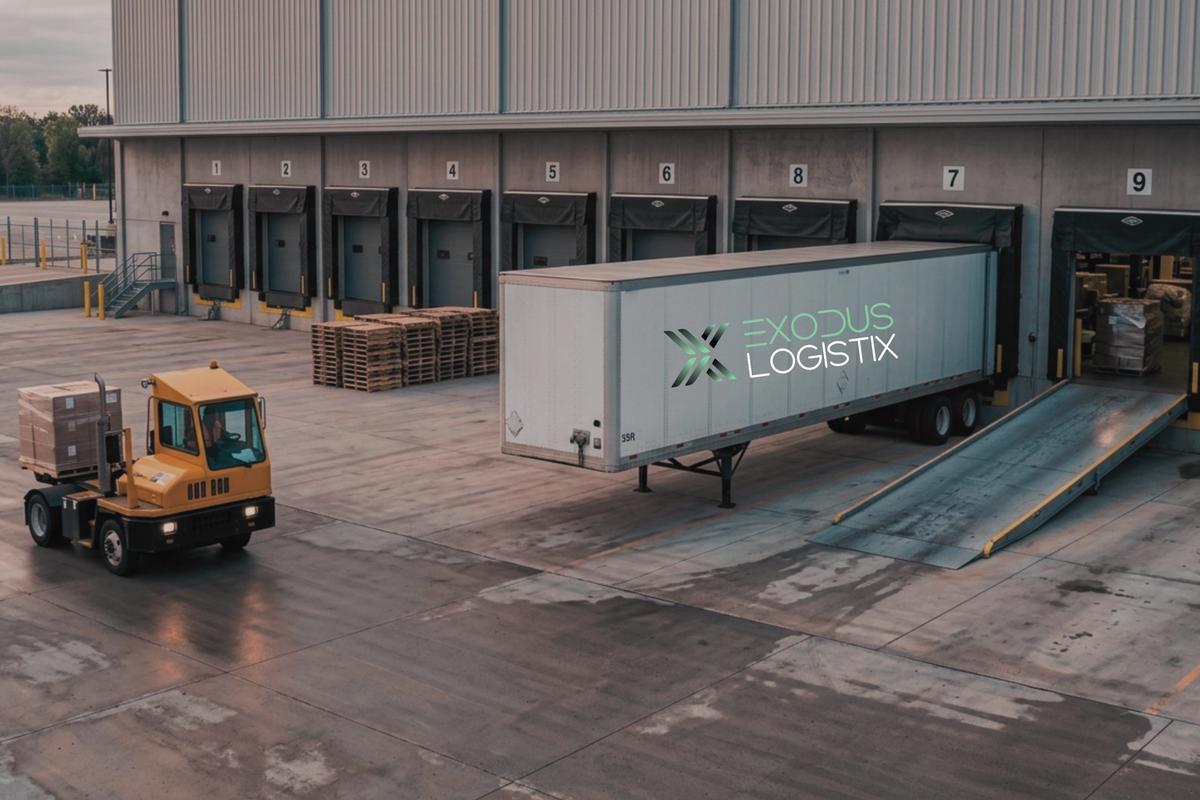
Time is one of the most constrained resources in logistics.
And at the dock, time is often lost.
Trucks waiting. Drivers idling. Freight not yet ready.
These delays reduce capacity, increase costs, and disrupt schedules across the supply chain.
Drop trailer programs are designed to remove this friction — allowing freight to move without forcing trucks to wait.
What Is a Drop Trailer Program?
A drop trailer program allows carriers to leave a trailer at a facility for loading or unloading at a later time.
Instead of waiting at the dock:
- a loaded trailer is dropped for unloading
- an empty trailer is left for future loading
- another trailer is picked up and moved immediately
This separates loading time from driver time, improving efficiency across both operations.
Why Waiting at the Dock Reduces Performance
Traditional live loading requires trucks to remain on-site during loading and unloading.
This creates:
- longer dwell times
- limited dock availability
- driver inefficiencies
- scheduling bottlenecks
- reduced asset utilization
When trucks are tied to dock operations, movement slows — even when capacity exists.
How Drop Trailer Programs Improve Flow
Drop trailer programs allow facilities to operate on their own timeline, without delaying transportation.
Decoupling Loading from Transportation
Warehouses can load or unload trailers independently of driver schedules.
Reduced Dwell Time
Drivers spend less time waiting and more time moving freight.
Increased Dock Throughput
Facilities can manage loading based on capacity, not truck arrival pressure.
Flexible Scheduling
Freight can be staged and processed when operationally efficient.
This creates a more consistent and controlled flow of goods.
The Role of Trailer Pools
Effective drop trailer programs rely on maintaining a pool of available trailers.
This includes:
- ensuring sufficient trailer availability at each location
- managing trailer rotation across facilities
- tracking equipment utilization
- aligning trailer supply with shipment demand
Without proper trailer pool management, drop programs lose efficiency.
When Drop Trailer Programs Make the Most Impact
Drop trailer programs are most effective in environments with:
- high shipment volume
- consistent freight movement
- limited dock capacity
- tight delivery schedules
- multi-location distribution networks
These conditions benefit most from separating loading from transportation.
Transportation as the Enabler
Drop trailer programs depend on coordinated transportation execution.
This includes:
- positioning trailers ahead of demand
- aligning pickup schedules with loaded trailers
- maintaining consistent trailer availability
- coordinating with warehouse operations
Transportation ensures that trailers are where they need to be — when they are needed.
Benefits of Drop Trailer Programs
When structured correctly, drop trailer programs deliver measurable advantages:
Faster Turnaround Times
Drivers spend less time waiting at facilities.
Improved Asset Utilization
Trucks and trailers are used more efficiently.
Increased Dock Efficiency
Facilities operate without congestion from waiting trucks.
More Predictable Scheduling
Freight moves according to plan, not delays.
Reduced Operational Costs
Less idle time leads to lower overall expenses.
Supporting Scalable Operations
As supply chains grow, efficiency at the dock becomes more critical.
Drop trailer programs support scalability by:
- reducing congestion at high-volume facilities
- enabling continuous freight flow
- improving coordination across locations
- supporting consistent transportation schedules
This allows operations to expand without increasing delays.
Structuring Movement Beyond the Dock
Efficiency in logistics depends on how time is managed.
Drop trailer programs ensure that time is used for movement — not waiting.
At Exodus Logistix, transportation programs are structured to support drop trailer strategies, aligning equipment, scheduling, and execution to keep freight moving.
To learn more about how drop trailer programs support efficient freight operations, visit:👉 https://exoduslogistix.com/services/drop-trailer-programs/
Tags

About the Author
exodus logistix
Exodus Logistix provides freight and logistics solutions built on disciplined planning, clear coordination, and operational accountability. With experience supporting complex shipments across multiple industries, the team focuses on reducing disruption, improving reliability, and helping businesses move freight with confidence.