
Drop Trailer Services: Choosing the Right Logistics Partner
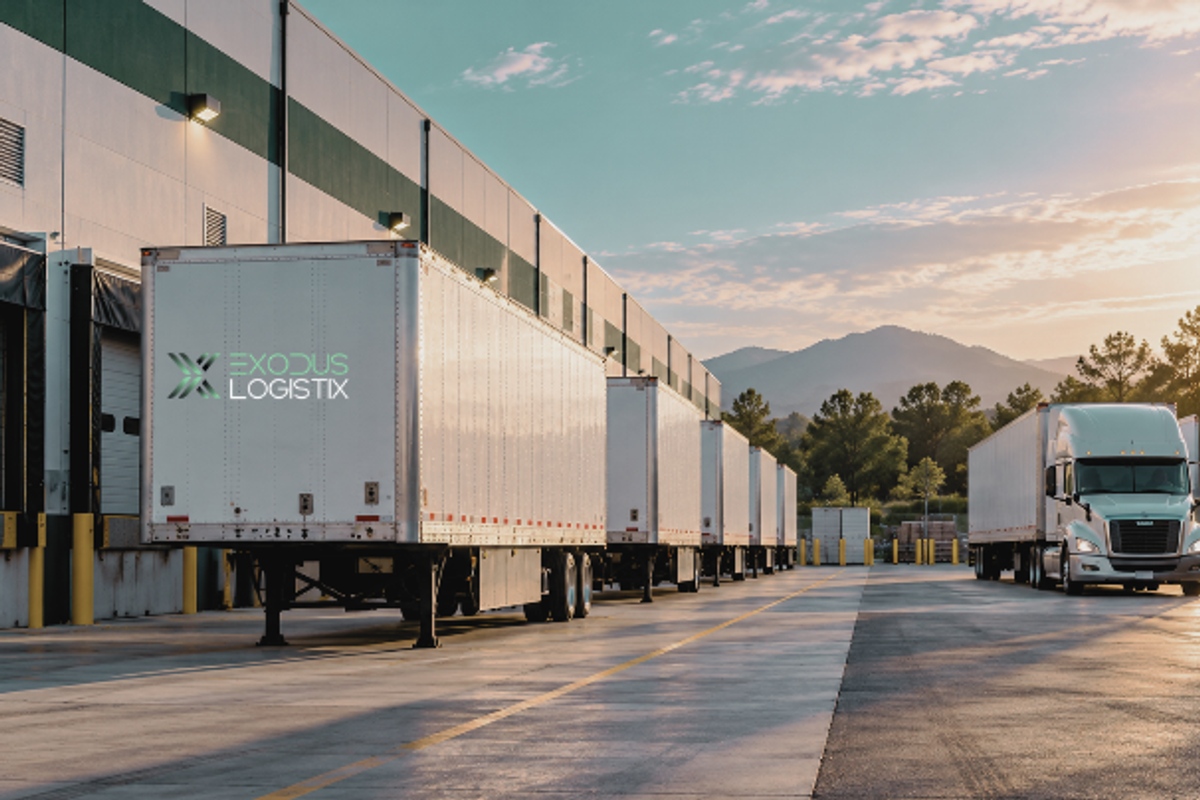
Drop Trailer Services: How to Choose the Right Logistics Partner
Choosing a drop trailer provider involves more than finding available trailers. You need a logistics partner who understands your shipping schedule, freight volume, and warehouse operations.
The right setup can help your team load freight on schedule and keep shipments moving. The wrong one can leave trailers sitting in your yard, take up valuable space, and disrupt pickups.
So, what should you look for when choosing a drop trailer services provider?
What Makes a Good Drop Trailer Partner?
A good drop trailer partner should be able to match trailer capacity to your shipping volume, coordinate pickups around your loading schedule, and keep equipment moving through your operation.
They should also understand your shipping lanes, yard capacity, and day-to-day requirements. Before recommending a program, the provider should look at how your operation works instead of offering the same setup to every shipper.
1. Start With Your Freight Volume
Before choosing a provider, look at how much freight you ship and how often it moves.
Which lanes have consistent volume? How many trailers do you load each day or week? When is freight usually ready for pickup? How much room do you have to stage trailers?
These details help determine whether a drop trailer program makes sense and how much equipment you may need.
For example, a distribution center shipping several loads on established lanes may benefit from having empty trailers available ahead of time. A facility with irregular shipments may not get the same value, especially if trailers end up occupying yard space without being used.
What to ask: How will you determine the number of trailers our operation needs?
The answer should account for your shipping volume, loading schedule, pickup frequency, trailer turnaround, and available yard space.
2. Find Out How Trailers Will Be Managed
Having enough trailers does not automatically mean your operation will run smoothly. The equipment also needs to be in the right place at the right time.
Poor coordination can leave loaded trailers waiting for pickup, empty trailers blocking valuable yard space, or warehouse teams unsure which equipment is available.
Before committing, ask how the provider will coordinate trailer placement, staging, pickup schedules, and communication with your team.
Clear procedures make it easier for warehouse staff and transportation teams to work together.
What to ask: How will you coordinate trailer movements with our warehouse and yard operations?
3. Make Sure Pickup Times Work for Your Team
One of the main advantages of drop trailer services is that your team can load trailers without having to wait for a driver to arrive and remain at the dock.
An empty trailer can be dropped at your facility, loaded when your team is ready, and collected according to an agreed schedule.
But this only works well when pickups are coordinated properly. If loaded trailers sit too long or pickup times do not match your loading plan, the operation can still experience delays.
Discuss your loading windows, expected pickup times, and how schedule changes will be handled before the program begins.
What to ask: How will pickup schedules fit our loading process, and what happens when plans change?
4. Check Whether the Provider Can Support Your Key Lanes
Your drop trailer program needs to work for the routes your freight actually travels.
Review your main shipping lanes, how frequently you move freight, and whether volumes change throughout the year. Then discuss how the provider will support those movements and respond when demand shifts.
It is also worth considering how drop trailer services fit alongside your other transportation needs. Depending on your freight profile, combining drop trailer movements with full truckload (FTL) or partial truckload services may help you manage different shipment requirements.
The goal is to find a provider that can support your actual shipping patterns, not simply one that offers trailers.
What to ask: Can you support our regular lanes and adjust the plan when our shipping volume changes?
5. Agree on How Performance Will Be Tracked
Once your program is running, you need a way to tell whether it is working.
Start by agreeing on a few practical measures with your provider:
- Pickup compliance: Are trailers being collected within the agreed time windows?
- Trailer turn time: How long are trailers staying at your facility or yard?
- Trailer utilization: Are the trailers assigned to your operation being used effectively?
- Loading schedule adherence: Is freight being loaded according to plan?
- Lane performance: Are your regular shipping requirements being met consistently?
It helps to establish a baseline before the program starts. Reviewing performance against that baseline can reveal where pickup schedules, trailer allocation, or yard coordination need to change.
What to ask: What performance information will you share, and how will we use it to improve the program?
When Should You Consider Drop Trailer Services?
Drop trailer services are worth considering if your business ships freight regularly, has consistent outbound lanes, and has enough yard space to stage trailers.
They may be a good fit for:
- Manufacturers shipping finished goods on a regular schedule.
- Retail and distribution centers handling recurring outbound orders.
- Food and beverage businesses with established shipping patterns.
- Consumer packaged goods companies.
- Warehouses and third-party logistics facilities.
However, a drop trailer program is not automatically the right choice for every operation. Businesses with unpredictable freight volumes, limited yard space, or shipments that need immediate pickup may find the arrangement less practical.
You may not need to convert every lane, either. Starting with the routes that have the most consistent volume can be a more practical way to evaluate the fit.
At Exodus Logistix
Every shipping operation has different requirements. Trailer capacity, loading schedules, pickup windows, and lane volume all affect how a drop trailer program should be set up.
Exodus Logistix works with shippers to coordinate drop trailer programs around their freight and facility needs.
Depending on the operation, this can include dedicated trailer capacity, yard and trailer coordination, pickup scheduling, and integration with broader FTL and partial truckload requirements. Performance measures such as pickup compliance, trailer turn times, and lane performance can also help identify where adjustments may be needed.
The first step is understanding how your freight moves, where scheduling challenges occur, and what your facility can accommodate. That provides a clearer basis for deciding whether a drop trailer program is appropriate and how it should be structured.
Frequently Asked Questions
What should I look for in a drop trailer services provider?
Look for a provider that understands your freight volume, coordinates trailer placement and pickups, supports your key lanes, and can track performance against agreed requirements.
How many trailers does a drop trailer program need?
It depends on how frequently you ship, how quickly trailers are loaded and collected, and how much staging space you have. Your provider should assess these factors before recommending the number of trailers.
Can drop trailer services help reduce detention?
They can help reduce driver waiting associated with live loading because drivers do not necessarily have to wait while freight is loaded. The results depend on trailer availability, pickup coordination, loading readiness, and facility conditions.
Are drop trailer services suitable for every business?
No. They tend to work best for businesses with recurring freight volume, consistent shipping lanes, and sufficient space to stage trailers. Other operations may benefit from using them only on selected lanes.
How can I tell if my drop trailer program is working?
Track pickup compliance, trailer turn time, equipment utilization, loading schedule adherence, and lane performance. Reviewing these measures regularly helps you identify problems and make informed adjustments.
Final Takeaway
Choosing a drop trailer provider is about finding a partner that can work with your operation, not just supply equipment.
Before making a decision, look at your freight volume, shipping lanes, loading schedules, and available yard space. Then make sure the provider can coordinate trailer movements around those requirements and track how the program performs.
Looking at drop trailer options for your operation?
Explore Exodus Logistix Drop Trailer Programs to review the service and discuss your freight volume, shipping lanes, and facility requirements.
Tags

About the Author
exodus logistix
Exodus Logistix provides freight and logistics solutions built on disciplined planning, clear coordination, and operational accountability. With experience supporting complex shipments across multiple industries, the team focuses on reducing disruption, improving reliability, and helping businesses move freight with confidence.