
How Do Automotive Manufacturers Avoid Costly Production Downtime?
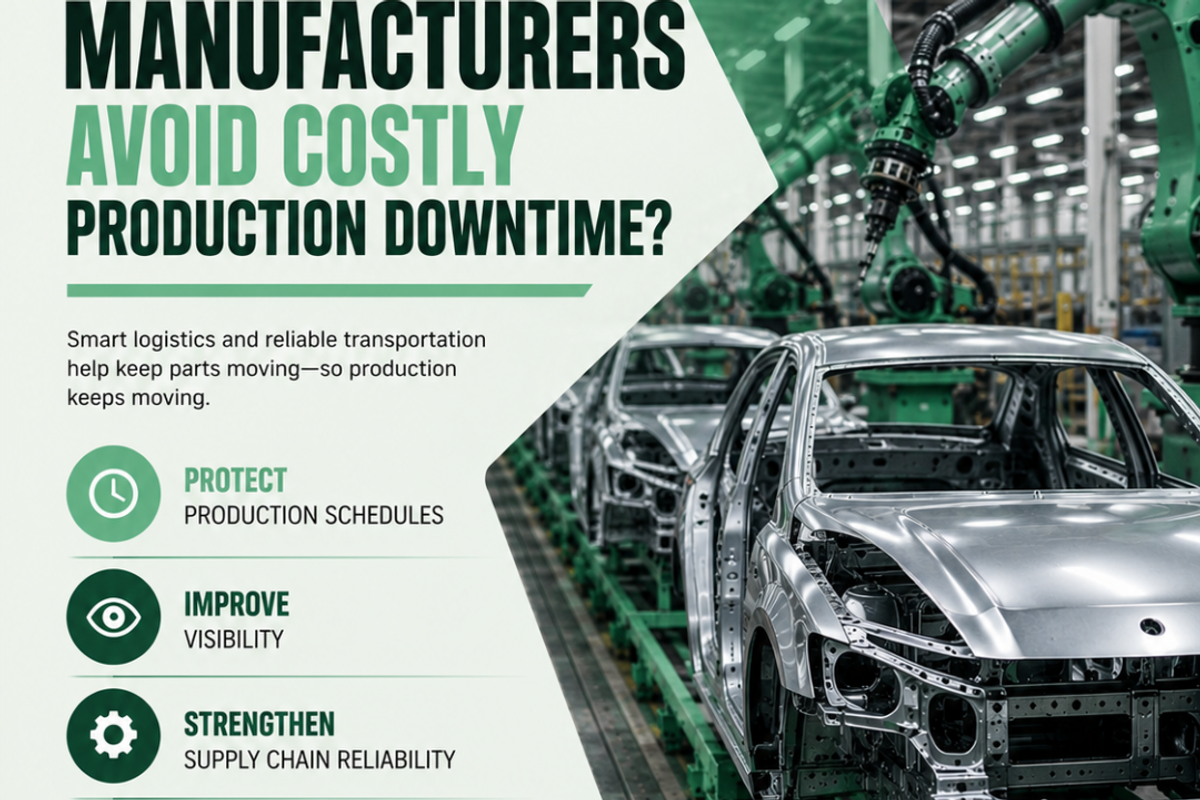
Quick Answer
For automotive manufacturers, production downtime is one of the most expensive disruptions that can occur.
While equipment failures and labor shortages can contribute to downtime, supply chain interruptions are often a major factor. When critical parts don't arrive as planned, production schedules can be affected, inventory strategies become more difficult to manage, and transportation costs can rise quickly.
That's why automotive logistics isn't simply about moving freight.
It's about helping manufacturers maintain production continuity through planning, visibility, communication, and reliable transportation execution.
Why Production Downtime Matters
Modern automotive manufacturing operates on precision.
Parts, components, and assemblies move through highly coordinated supplier networks before reaching the production floor. When one piece of that network experiences a delay, the effects can spread quickly throughout the operation.
Potential consequences may include:
- Production interruptions
- Schedule adjustments
- Labor inefficiencies
- Expedited freight expenses
- Supplier coordination challenges
- Inventory imbalances
In many cases, the delayed shipment itself is only a small part of the problem.
The larger concern is how that delay impacts the overall manufacturing schedule.
Automotive Supply Chains Depend on Consistency
Automotive manufacturers rely on a steady flow of parts and materials to support production.
This often involves coordination between:
- OEMs
- Tier 1 suppliers
- Tier 2 suppliers
- Assembly plants
- Distribution centers
- Aftermarket parts networks
Each shipment plays a role in supporting production requirements.
When transportation schedules become inconsistent, the risk of operational disruption increases.
Why Expedited Freight Becomes So Expensive
Many manufacturers find themselves relying on expedited transportation more often than expected.
The reason is not always a lack of available capacity.
More often, it's the result of reacting to disruptions after they occur.
Common causes include:
- Supplier delays
- Inventory shortages
- Production changes
- Transportation disruptions
- Unexpected demand fluctuations
When parts suddenly become urgent, transportation options become more limited—and typically more expensive.
Proactive planning often creates more flexibility and helps reduce the need for emergency shipments.
Visibility Helps Protect Production Schedules
No supply chain is immune to disruptions.
Weather events, capacity constraints, rail delays, port congestion, and supplier issues can affect freight movement at any time.
The key is identifying potential problems before they impact production.
Visibility allows teams to answer important questions such as:
- Where is the shipment?
- Is it still on schedule?
- Are there risks to production?
- What recovery options are available?
The earlier a potential issue is identified, the more opportunities there are to respond effectively.
Transportation Planning Supports Production Continuity
Successful automotive logistics requires more than securing transportation.
Freight movement must align with operational requirements, including:
- Production schedules
- Supplier commitments
- Delivery windows
- Inventory strategies
- Facility operations
Whether freight moves through Full Truckload, Shared Truckload, Dry Van Transportation, or Intermodal Transportation, the objective remains the same:
Support production without creating unnecessary risk.
Communication Matters Across the Supply Chain
Automotive supply chains involve multiple organizations working together toward a common objective.
Manufacturers, suppliers, carriers, warehouses, and distribution facilities all depend on accurate and timely information.
Strong communication helps support:
- Better planning
- Faster issue resolution
- Improved delivery performance
- Greater schedule reliability
- More informed decision-making
In many situations, communication helps protect production just as much as transportation capacity.
Why Automotive Companies Work With Exodus Logistix
At Exodus Logistix, automotive logistics is built around helping manufacturers maintain production continuity.
We support:
- OEM transportation
- Tier 1 supplier logistics
- Tier 2 supplier freight
- Assembly plant deliveries
- Automotive distribution
- Aftermarket parts transportation
- EV supply chain logistics
Our goal is simple:
Help keep freight moving so production can keep moving too.
Frequently Asked Questions
What causes production downtime in automotive manufacturing?
Production downtime can result from supplier delays, transportation disruptions, inventory shortages, labor challenges, equipment failures, or missing components needed for production.
Why is transportation important in automotive manufacturing?
Transportation connects suppliers, manufacturing facilities, distribution centers, and assembly plants. Reliable transportation helps support production schedules and inventory availability.
What is automotive logistics?
Automotive logistics involves coordinating and transporting parts, components, assemblies, finished vehicles, and aftermarket inventory throughout the automotive supply chain.
How can manufacturers reduce emergency freight costs?
Improved planning, stronger visibility, supplier coordination, and early identification of potential disruptions can help reduce the need for expedited transportation.
Final Thoughts
Production downtime is rarely caused by a single issue.
More often, it's the result of multiple small disruptions occurring across the supply chain.
The most effective automotive logistics strategies focus on visibility, communication, transportation planning, and execution before disruptions reach the production floor.
At Exodus Logistix, we believe transportation should do more than move freight.
It should help protect production continuity.
Need Automotive Logistics Support?
Exodus Logistix provides transportation solutions for OEMs, suppliers, assembly plants, EV manufacturers, and aftermarket distribution networks throughout the United States.
Learn more:
Tags

About the Author
exodus logistix
Exodus Logistix provides freight and logistics solutions built on disciplined planning, clear coordination, and operational accountability. With experience supporting complex shipments across multiple industries, the team focuses on reducing disruption, improving reliability, and helping businesses move freight with confidence.