
Asset Recovery & Liquidation Freight: Turning Excess Inventory Into Operational Value
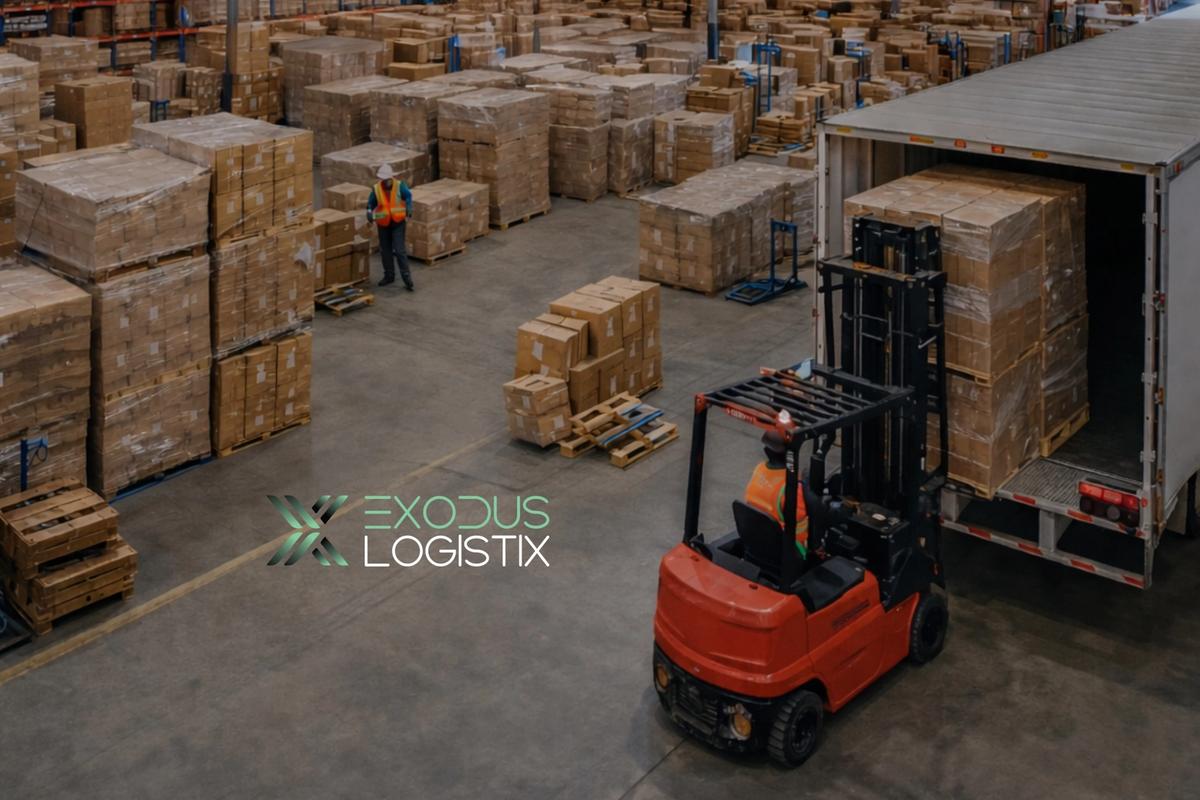
Excess inventory is often seen as a loss.
Unsold products. Returned goods. Obsolete stock.
But in logistics, excess inventory is not just a cost — it is an opportunity.
When managed correctly, asset recovery and liquidation freight transform idle inventory into movement, value, and operational control.
Why Excess Inventory Becomes a Liability
Inventory is designed to move.
When it doesn’t, it creates friction across the supply chain.
Common causes include:
- overproduction or over-ordering
- shifting customer demand
- seasonal transitions
- product lifecycle changes
- high return volumes
As inventory accumulates, it ties up space, capital, and operational capacity.
What starts as excess quickly becomes a constraint.
The Role of Asset Recovery in Logistics
Asset recovery is the process of removing non-performing inventory from active operations and redirecting it into secondary channels.
This includes:
- identifying excess or obsolete stock
- consolidating inventory for outbound movement
- routing goods to liquidation partners or alternative markets
- maintaining continuous inventory flow
Instead of allowing inventory to remain idle, asset recovery ensures it continues moving through the system.
Liquidation Freight as a Structured Process
Liquidation freight is not a one-time action.
It is a structured logistics process that supports ongoing operations.
This involves:
Inventory Segmentation
Separating active, slow-moving, and excess inventory.
Consolidated Outbound Movement
Grouping liquidation freight into efficient shipments.
Coordinated Transportation
Aligning liquidation freight with existing routes and capacity.
Continuous Removal
Maintaining a steady flow of outbound excess inventory.
When structured correctly, liquidation becomes part of daily operations — not a reactive response.
Turning Inventory Into Movement
The key to effective asset recovery is treating excess inventory as active freight.
This shifts the mindset from:
- storage → movement
- loss → recovery
- congestion → flow
When inventory moves, it creates space, frees capacity, and improves overall efficiency.
The Impact on Operational Performance
When asset recovery and liquidation freight are managed proactively, businesses gain:
Improved Space Utilization
Warehouses remain optimized for active inventory.
Increased Operational Efficiency
Less congestion leads to faster handling and staging.
Better Capital Recovery
Inventory is converted into value instead of remaining idle.
More Efficient Transportation
Consolidated shipments improve load utilization.
Stronger Supply Chain Flow
Operations remain consistent, even as inventory levels change.
The Role of Transportation in Asset Recovery
Transportation is what turns recovery into execution.
Without structured freight movement:
- inventory remains stagnant
- warehouse capacity stays limited
- recovery efforts stall
With coordinated transportation:
- liquidation freight moves without disrupting outbound operations
- routing aligns with capacity and demand
- inventory exits the system efficiently
This ensures that recovery supports, rather than interrupts, ongoing operations.
Integrating Recovery Into Daily Operations
The most effective asset recovery strategies are not reactive.
They are integrated into daily logistics operations.
This includes:
- scheduled removal of excess inventory
- alignment with routing and transportation plans
- coordination with warehouse operations
- continuous monitoring of inventory levels
This approach prevents accumulation before it becomes a problem.
Supporting Multi-Location Supply Chains
For businesses operating across multiple facilities, asset recovery must be coordinated across the network.
This ensures that:
- excess inventory is identified consistently
- transportation aligns across locations
- capacity remains balanced
- recovery efforts scale with operations
Without coordination, recovery becomes fragmented and inefficient.
Restoring Control Through Movement
Excess inventory does not have to reduce performance.
When structured correctly, it becomes part of the system.
Asset recovery and liquidation freight restore control by ensuring that inventory continues to move — even when demand changes.
At Exodus Logistix, transportation programs are designed to support structured asset recovery — turning excess inventory into movement, efficiency, and operational value.
To learn more about how structured logistics solutions support efficient freight movement, visit: 👉 https://exoduslogistix.com/services/
Tags

About the Author
exodus logistix
Exodus Logistix provides freight and logistics solutions built on disciplined planning, clear coordination, and operational accountability. With experience supporting complex shipments across multiple industries, the team focuses on reducing disruption, improving reliability, and helping businesses move freight with confidence.